
Motorcycle Seat Fitment: Scooter and Dirt Bike Projects
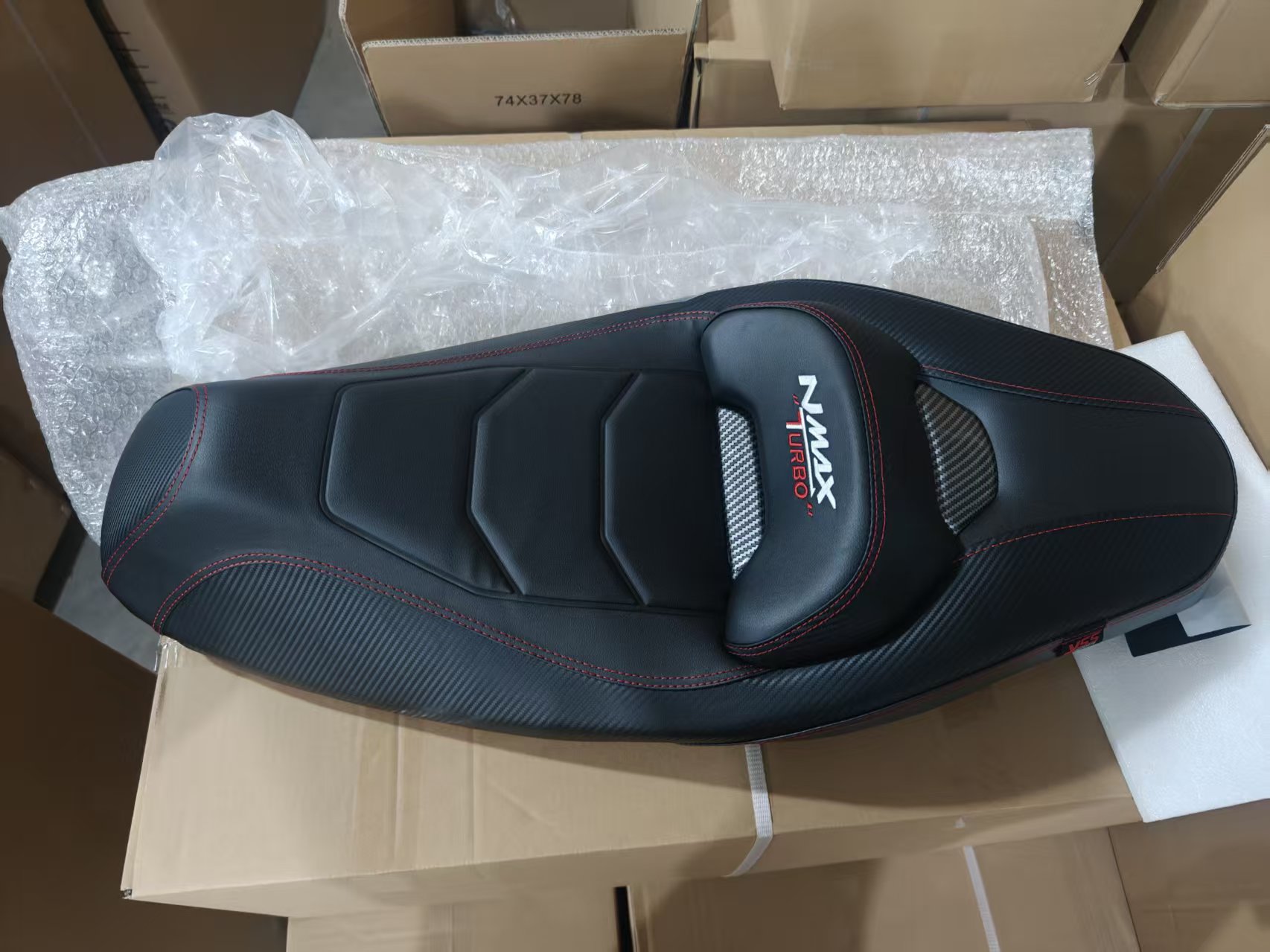
A replacement motorcycle seat project is matched in a fixed order: seat type, motorcycle model, frame and body-shell interface, build specification, waterproof and surface requirements, then sample and batch terms. That order matters because the same seat build can serve a scooter replacement and a dirt bike replacement while the fit decision remains model-specific. Zhejiang Xingrong Auto & Motorcycle Parts Co., Ltd. supplies motorcycle seats for replacement use under a product unit that lists Nmax, Xmax, Aerox, ADV150, ADV160, Forza, PCX and Click, together with scooter seats and dirt bike seats. The company's Lebanon project of 5,000 pieces over two years, and a case record covering 11 country codes, provide application evidence for repeat replacement supply.
This guide is written for repair shops, parts retailers, accessory brands and procurement teams that need to turn a model name into a workable seat order. It explains what the supplied build contains, how to check a replacement project step by step, where scooter and dirt bike projects differ, and which commercial terms apply before a sample or bulk order is placed.
What a Replacement Seat Project Has to Match
A replacement seat is not a universal part. The supplied application unit defines the product as a motorcycle parts replacement item that operates in a non-powered static fitting mode and must be used with the motorcycle main body frame and motorcycle body shell. In practical terms, the seat has to sit on the bike, meet the original seat position, and look right on the body. It is not a performance part that changes engine output or suspension behaviour.
Three matches decide whether a project runs smoothly. The first is the seat type: a scooter seat and a dirt bike seat are listed as different product types even when they share the same material and build specification. The second is the motorcycle interface: the frame and body shell are the supporting equipment named in the application unit, so the replacement has to be checked against the actual bike rather than against a photograph. The third is the condition of the original seat. The application unit covers old seat maintenance and direct replacement, which means the project may start with a worn original seat rather than with a new build.
Water exposure adds a fourth check. The application unit states that the product is designed for waterproof environments and operates under waterproof conditions. It also lists weather resistance, a wear-resistant surface and ergonomic design as special requirements. A seat that is ordered for a dry-weather display bike and a seat that is ordered for daily road use can therefore sit in the same model list but answer different project briefs.
Where Replacement Demand Comes From
The supplied application unit lists Iran, India, Italy, South Korea, Lebanon, Portugal, Thailand, Taiwan, Turkey and Vietnam as countries where this replacement scenario is common. These are application markets in the data, not a ranking of sales volume. Their value for a project buyer is that they show the same replacement job appearing across different regions, which makes model coverage and waterproof build more important than a single market's styling preference.
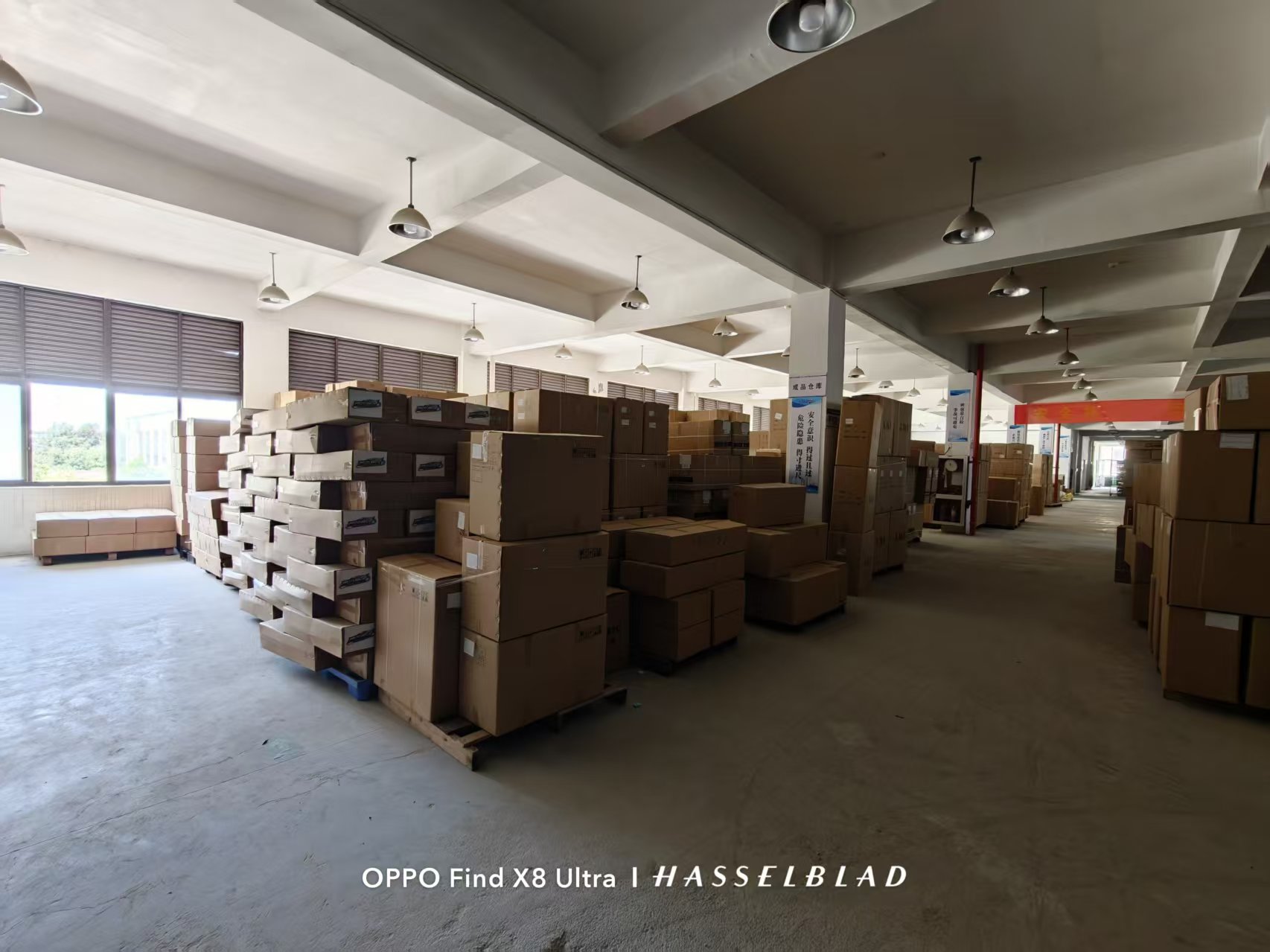
The company background adds the supply side. Zhejiang Xingrong Auto & Motorcycle Parts Co., Ltd. was founded in 2015 and operates a 15,000 m² plant with 130 employees, a five-engineer R&D team and annual output of 1,800,000 units. The company reports a 90% self-production rate for product accessories and holds ISO9000 and CQC certification. Its main markets are Southeast Asia, Europe, the Middle East and South America. These facts describe manufacturing scope; they do not by themselves prove that every model in the product list fits every market variant. That is why the project sequence below puts model and interface confirmation before material selection.
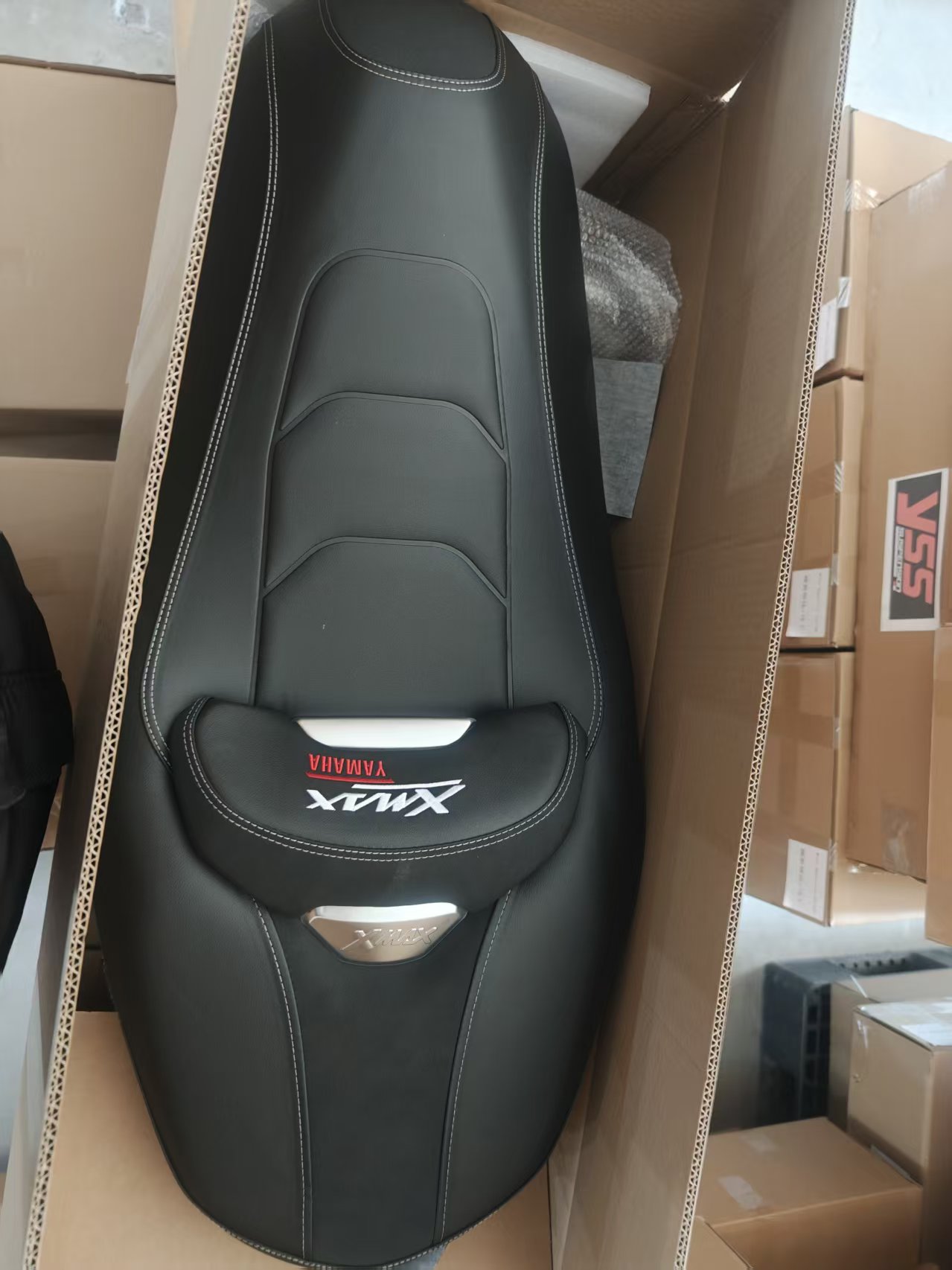
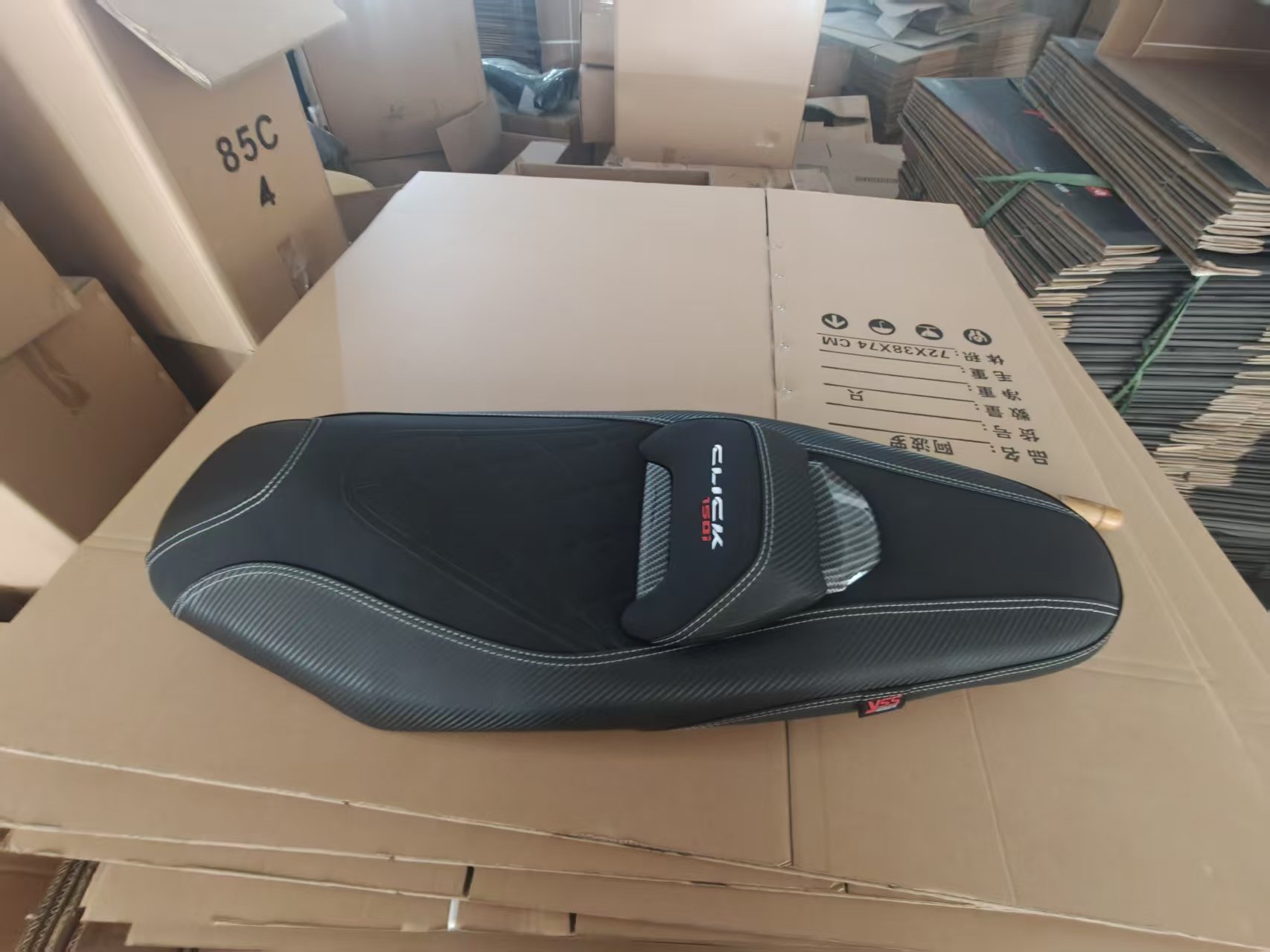
For a repair shop or retailer, replacement demand is usually driven by an existing bike that needs a new seat, not by a new model launch. The product unit's model list is therefore best read as a coverage list for replacement projects: Nmax, Xmax, Aerox, ADV150, ADV160, Forza, PCX and Click. Within that list, the Honda applications are ADV150, ADV160, Forza, PCX and Click, and the Yamaha applications are Nmax, Xmax and Aerox. The product unit also lists dirt bike seats as a type, but it does not itemise dirt bike models. That difference is a project-planning point, not a product limitation: a dirt bike enquiry should name the exact model so the interface can be checked.
The Build That Carries the Fit
The product unit gives one material and build specification for the motorcycle seat: a PVC leather cover, an 80D high-density foam cushion, PU foam and a PP plate, with a high-strength floor structure. The same unit lists the selling points as great seating feel, good visual effect, repair and replacement capability, and waterproof performance. Each element has a different job in a replacement project.
PVC leather cover
The cover is the visible and touchable surface. In the supplied specification it is PVC leather, not a generic fabric. For a replacement project, the cover decision affects the look of the bike and the surface that faces weather and wear. The capability unit adds that leather cover design and stitching line colour can be customised under OEM/ODM, so a parts retailer or accessory brand can align the cover with its own range. The cover is also the first surface a rider sees, which is why the case record lists visual effect as a result alongside seating feel.
80D high-density foam cushion and PU foam
The seat cushion is made of 80D high-density foam, and the seat also includes PU foam. In the supplied data, these are the materials behind the stated seating feel. For a buyer, the useful question is not whether foam exists, but whether the sample matches the intended riding position and the model's seat shape. The data gives the material type and the 80D density designation; it does not give a thickness or a firmness scale, so those points should be confirmed on the sample rather than assumed from the model name.
PP plate and high-strength floor structure
The PP plate and the high-strength floor structure form the base side of the seat. The application unit describes the seat as a static fitting part used with the motorcycle main body frame and body shell. That makes the base and its interface a practical check point: the replacement seat has to sit correctly on the bike before cover colour or stitching is discussed. A project that starts with the cover and checks the base last is working in the wrong order.
Waterproof performance, weather resistance and wear resistance
The application unit states that the product is designed for waterproof environments and operates under waterproof conditions. It also lists weather resistance and a wear-resistant surface as special requirements. These are project requirements, not decorative claims. A waterproof motorcycle seat order should state the riding environment so the supplier can confirm the intended build. The same logic applies to a scooter used for daily commuting and a dirt bike used on rough ground: both may need the waterproof build, but the model and surface exposure still have to be checked.
Ergonomic design
Ergonomic design is listed as a requirement for this application. In a replacement project, that requirement is met through the seat shape and the seating feel on the actual motorcycle, not through a generic description. The case record's result of great seating feel is the closest supplied evidence of that outcome. It should be read as a project result, not as a guarantee that every rider will prefer the same seat.
A Step-by-Step Matching Sequence
The following sequence turns the supplied product and application data into a project workflow. It applies to scooter seats and dirt bike seats, with the model and interface steps adjusted to the bike in front of the buyer.
Step 1: Define the seat type and the exact model
Start with the type: scooter seat or dirt bike seat. Then name the model. For scooter projects, the product unit lists Nmax, Xmax, Aerox, ADV150, ADV160, Forza, PCX and Click. For dirt bike projects, the product unit confirms dirt bike seats as a type but does not list individual models, so the enquiry should provide the exact bike. A model name alone may not cover year or market variants; the interface check in Step 2 is where that risk is controlled.
Step 2: Check the original seat and the motorcycle interface
Confirm whether the project is old seat maintenance or a direct replacement. The application unit covers both. Then check the seat against the motorcycle main body frame and motorcycle body shell, which the application unit names as the supporting equipment. This is the point where a replacement project succeeds or fails: the seat must fit the bike's seating position and body, not merely match a model name in a catalogue.
Step 3: Lock the build specification
Use the supplied build as the baseline: PVC leather cover, 80D high-density foam cushion, PU foam, PP plate and high-strength floor structure. If the project is for a wholesale motorcycle seat range, this baseline keeps the specification consistent across models. If the project is for a customised motorcycle seat, the OEM/ODM options are logo brand, leather cover design and stitching line colour. Those options change the cover and branding, not the listed core materials.
Step 4: Set the waterproof and surface requirement
State the riding environment clearly. The product is designed for waterproof environments and operates under waterproof conditions. The application also requires weather resistance and a wear-resistant surface. A project brief that leaves these points unstated makes it harder to confirm whether the standard build is the right one. For a waterproof motorcycle seat order, the environment is part of the specification, not an afterthought.
Step 5: Confirm seating feel and visual effect on a sample
The product unit's stated selling points are great seating feel, good visual effect, repair and replacement capability, and waterproof performance. A sample is the practical way to check the first two against the intended bike and rider. The sample should use the same model, cover and build as the planned order. This step also protects a retailer from ordering a cover design that does not match its range.
Step 6: Plan the sample-to-batch transition
The capability unit gives the commercial terms: OEM and ODM production, a monthly capacity of 50,000 pieces, a lead time of 25-35 days and a MOQ of 50 pieces. For a first replacement project, 50 pieces is the minimum order quantity, not a suggested stock level. The 25-35 day lead time should be built into the project schedule after sample approval, not treated as a stock availability promise. The 50,000-piece monthly capacity is relevant when a distributor or manufacturer plans repeat orders.
Step 7: Apply pre-shipment testing and warranty planning
The capability unit states 100% pre-shipment test and a 1-year warranty. In a replacement project, pre-shipment testing is the batch-level check before the goods leave the factory. The warranty is an after-sales term that should be recorded in the project file together with the model, cover design and order quantity. Neither term replaces the buyer's own sample check; they sit around it.
Step 8: Scale with project evidence
Use the Lebanon case as a scale reference, not as a promise for every order. The case unit records 5,000 pieces for Lebanon over two years, in motorcycle parts replacement use. Its stated results are great seating feel, good visual effect and waterproof performance, with repair and replacement capability listed as a highlight. A project that starts with 50 pieces and grows can use this case to discuss repeat supply, but the actual schedule still depends on the model mix and the confirmed order quantity.
Matching by Model: Nmax, Xmax, Aerox, ADV150, ADV160, Forza, PCX and Click
The product unit lists eight scooter models in one model string: Nmax, Xmax, Aerox, ADV150, ADV160, Forza, PCX and Click. For a replacement project, that list is the starting point for coverage, not a substitute for the interface check. The practical matching rule is simple: confirm the exact model and variant, then confirm the seat against the bike's frame and body shell.
For Honda applications, the list covers ADV150, ADV160, Forza, PCX and Click. For Yamaha applications, it covers Nmax, Xmax and Aerox. A repair shop that handles several of these models can use one build specification across the range while keeping model-specific fit checks. A parts retailer can use the same list to plan a wholesale motorcycle seat assortment, but should avoid treating the eight names as eight identical fits. The seat shape and body interface are model-specific even when the material specification is shared.
The model list also helps distinguish a scooter project from a dirt bike project. The eight named models are scooter applications in the supplied product unit. Dirt bike seats are listed as a separate type, without a model list. That is why the dirt bike enquiry needs the exact bike and why the scooter enquiry can start from the named coverage. Neither route removes the need for a sample or an interface check.
Dirt Bike Seat Projects: What Changes and What Stays the Same
The product unit lists scooter seats and dirt bike seats under the same motorcycle seat product. The material and build specification is not split by seat type in the supplied data: PVC leather, 80D high-density foam, PU foam, PP plate and high-strength floor structure apply to the product unit as a whole. What changes in a dirt bike project is the model and interface question, because the product unit does not itemise dirt bike models.
What stays the same is the replacement logic. The seat is still a non-powered static fitting part used with the motorcycle main body frame and body shell. It still needs to meet the waterproof, weather-resistance, wear-resistant surface and ergonomic requirements listed in the application unit. It still goes through the same sample, batch and warranty steps. A dirt bike project should therefore provide the exact model, the original seat condition and the intended riding environment before the build is confirmed.
This is also where a buyer should resist assuming that a scooter seat and a dirt bike seat must use different material grades. The supplied data does not state separate grades. It states one product with two seat types. If a project needs a different grade, that is a new requirement to confirm with the supplier, not a fact that can be read into the existing specification.
Use Cases for Replacement Projects
The case unit lists four client types: motorcycle manufacturers, motorcycle repair shops, motorcycle parts retailers and motorcycle accessory brands. Each has a different reason to order a replacement seat, and the same product data supports all four.
Repair shops
A repair shop usually starts with an old seat that needs maintenance or direct replacement. The product's repair and replacement role, waterproof build and model coverage make it a practical replacement item. The shop should confirm the exact bike, then order a sample for the most common model before holding stock. The 50-piece MOQ is the first order threshold; a shop that services several models can plan the mix around that threshold.
Parts retailers and wholesale buyers
A parts retailer needs coverage and repeatability. The eight scooter models in the product unit give a starting assortment, while the shared build specification keeps the range consistent. A wholesale motorcycle seat order should record the model list, cover design and quantity per model. The 25-35 day lead time and 100% pre-shipment test belong in the purchase plan, and the 1-year warranty belongs in the after-sales terms.
Accessory brands and customised projects
An accessory brand can use the OEM/ODM options: logo brand, leather cover design and stitching line colour. These options support a customised motorcycle seat range without changing the core materials. The brand should still confirm the model and interface before approving the cover design, because a correct cover on an incorrectly matched base is still a return risk. The sample stage is the place to settle both.
Motorcycle manufacturers
A manufacturer or assembly project is more likely to care about monthly capacity and batch consistency. The capability unit gives a monthly capacity of 50,000 pieces, a 25-35 day lead time, 100% pre-shipment test and a 1-year warranty. These figures support production planning discussions; they do not replace a factory audit or a project-specific capacity reservation. The Lebanon case of 5,000 pieces over two years is useful evidence of repeat supply, but it should be read alongside the actual model mix and schedule.
Application Evidence: Lebanon 5,000-Piece Project and 11-Country Coverage
The Lebanon case is the clearest application evidence in the supplied data. It records 5,000 pieces over two years for motorcycle parts replacement. The stated results are great seating feel, good visual effect and waterproof performance, and the case highlights repair and replacement capability. Those results map directly to the product unit's selling points, which makes the case useful for a buyer who is evaluating a repeat replacement project rather than a one-off custom seat.
The same case unit lists 11 country codes: CN, IR, IT, KR, LB, MY, MX, PH, TR, TW and VN. In readable form, those are China, Iran, Italy, South Korea, Lebanon, Malaysia, Mexico, the Philippines, Turkey, Taiwan and Vietnam. This is evidence of client coverage across multiple markets. It is not a statement that every country received the same volume, model mix or cover design. For a project buyer, the useful takeaway is that the replacement seat application has been handled across different markets, so the supplier's model and documentation process should be able to handle a multi-model order.
The case should not be used to promise a two-year schedule for every project. The lead time for a confirmed order is 25-35 days, and the project duration depends on the buyer's release plan. The Lebanon record shows a two-year project duration; it does not change the stated production lead time.
Scooter Seat vs Dirt Bike Seat: Shared Specification and Project Checkpoints
The table below separates what the supplied data actually says from what the buyer still has to confirm. It is deliberately not a claim that one seat type is better than the other.
| Project checkpoint | Scooter seat | Dirt bike seat | What the buyer confirms |
|---|---|---|---|
| Model coverage in the product unit | Nmax, Xmax, Aerox, ADV150, ADV160, Forza, PCX, Click | Listed as a seat type; individual models not itemised | Exact model, year and market variant |
| Cover material | PVC leather | PVC leather | Cover design and stitching colour under OEM/ODM |
| Cushion and foam | 80D high-density foam cushion; PU foam | 80D high-density foam cushion; PU foam | Seating feel on the sample |
| Base and structure | PP plate; high-strength floor structure | PP plate; high-strength floor structure | Frame and body-shell interface |
| Water and surface requirements | Waterproof environment; weather resistance; wear-resistant surface | Waterproof environment; weather resistance; wear-resistant surface | Riding environment and exposure |
| Replacement role | Old seat maintenance; direct replacement | Old seat maintenance; direct replacement | Condition of the original seat |
| Commercial terms | MOQ 50 pieces; 25-35 days; 100% pre-shipment test; 1-year warranty | MOQ 50 pieces; 25-35 days; 100% pre-shipment test; 1-year warranty | Order quantity, release schedule and warranty file |
The table's main lesson is that the material specification is shared in the supplied data. The project difference sits in the model, the interface and the riding environment. A buyer who confirms those three points is using the data correctly; a buyer who assumes a different material grade without a stated source is adding a requirement that the supplier has not confirmed.
Frequently Asked Questions
Motorcycle seat manufacturer for waterproof aftermarket models
Zhejiang Xingrong Auto & Motorcycle Parts Co., Ltd. manufactures motorcycle seats for replacement use, including a waterproof build designed for waterproof environments and operating under waterproof conditions. The product unit covers Nmax, Xmax, Aerox, ADV150, ADV160, Forza, PCX and Click, and the company also lists dirt bike seats as a product type. OEM and ODM support covers logo brand, leather cover design and stitching line colour. The stated terms are MOQ 50 pieces, 25-35 day lead time, 100% pre-shipment test and a 1-year warranty.
How do I match a replacement seat to a specific scooter model?
Start with the exact model from the product list: Nmax, Xmax, Aerox, ADV150, ADV160, Forza, PCX or Click. Then confirm the seat against the motorcycle main body frame and body shell, because the application unit defines the seat as a non-powered static fitting part used with those supporting parts. After the interface is confirmed, check the PVC leather cover, 80D high-density foam cushion, PU foam and PP plate on a sample. The model name is the starting point; the frame and body-shell check is the fit decision.
What are the MOQ, lead time and warranty terms?
The capability unit states a MOQ of 50 pieces, a lead time of 25-35 days, 100% pre-shipment test and a 1-year warranty. Monthly capacity is 50,000 pieces. These terms apply to the supplied product unit and should be recorded in the project file with the model, cover design and order quantity. A sample should be approved before the 25-35 day production lead time is scheduled.
Is the seat suitable for wet riding conditions?
The application unit states that the product is designed for waterproof environments and operates under waterproof conditions. It also lists weather resistance and a wear-resistant surface as special requirements. For a wet-riding project, state the riding environment in the enquiry so the waterproof build can be confirmed for the exact model. The supplied data supports the waterproof design; it does not provide a separate water-pressure or immersion rating.
Conclusion: Match the Project, Then the Order
Replacement seat projects are matched from the bike outward, not from the cover inward. Confirm the seat type, the exact model, the original seat condition, the frame and body-shell interface, and the waterproof and surface requirements. Then lock the supplied build: PVC leather, 80D high-density foam cushion, PU foam, PP plate and high-strength floor structure. The commercial terms follow after that: MOQ 50 pieces, 25-35 day lead time, 100% pre-shipment test and a 1-year warranty.
The Lebanon 5,000-piece project over two years and the case record's 11 country codes show the application being used in repeat replacement supply across multiple markets. They are useful evidence for a project discussion, not a substitute for the model-specific sample. For buyers who want to review the full range, the Zhejiang Xingrong Auto & Motorcycle Parts Co., Ltd. website and the STARON seat cushion catalog are the next references. A sample request against the exact model is the practical next step before a bulk order.
Have Questions or Need More Details?
Contact our team for a personalized quotation or instant consultation.
Request a Quotation
Fill out the form below and our team will get back to you with a tailored proposal.
WhatsApp Direct Chat
Prefer to chat in real-time? Message us on WhatsApp for instant assistance & quick answers.
- Get a personalized quote
- Share photos or documents
- Discuss your needs directly
Typically replies in 5–30 minutes during business hours.