
Motorcycle Seat Compliance Guide: ISO9000, CQC and Regional Export Requirements
An ISO9000 certificate and a CQC certificate do not make a motorcycle seat exportable to every market. ISO9000 documents how a factory manages quality across its processes. CQC certifies a defined scope inside China's certification system. Neither document is, by itself, a destination-market product approval for a seat cushion. For buyers in the Research and Evaluation stage, the useful question is not "does this supplier hold certificates?" but "which certificate covers which product, which production site, and which market requirement?"
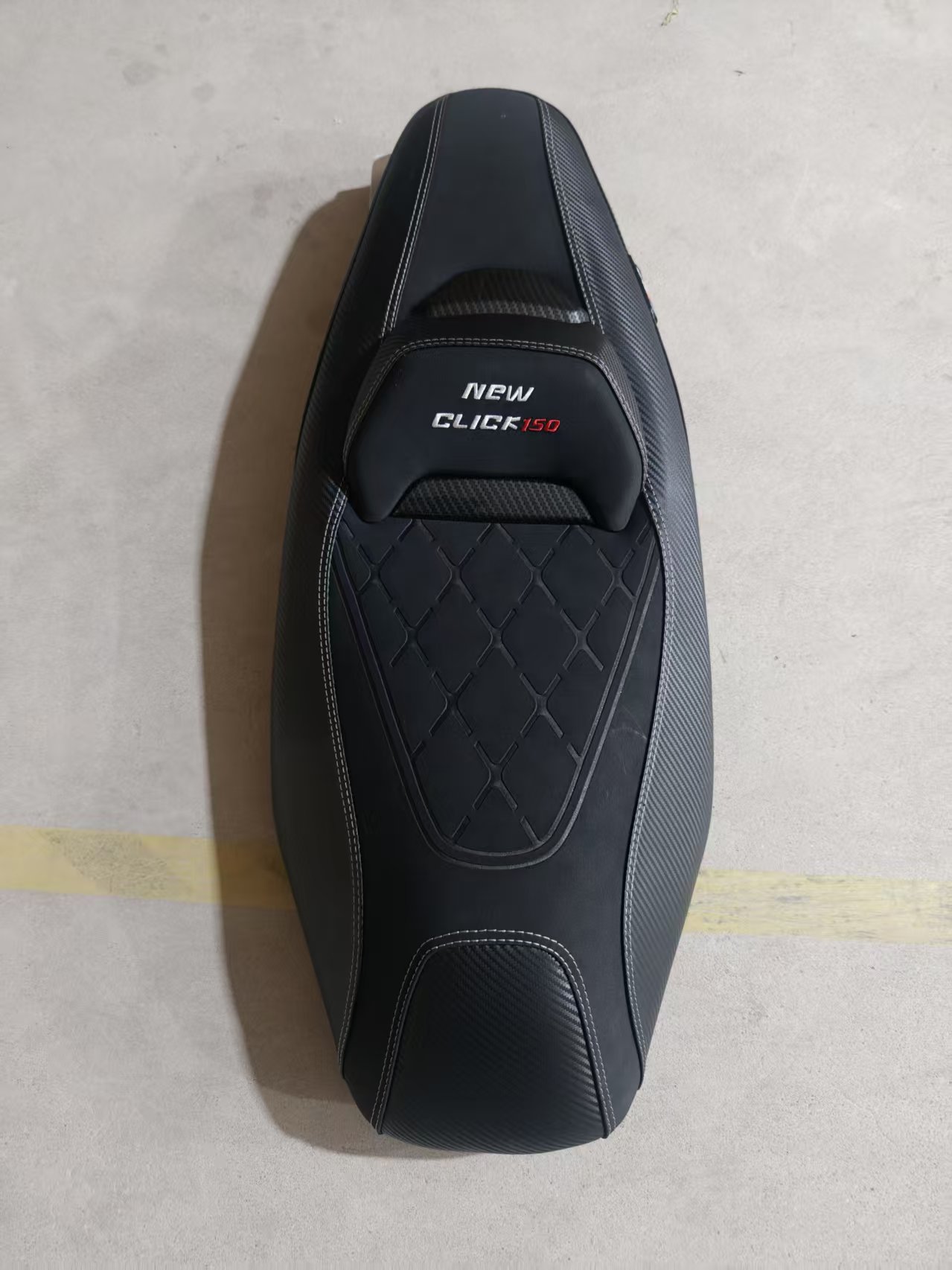
Short answer: ISO9000 tells you whether the factory runs a controlled quality system. CQC tells you that a specific scope has been certified within China's certification framework. Destination-market compliance — including whether a seat is covered by a vehicle type-approval route such as UN Regulation No. 17 (ECE R17) — is a separate question that is answered by product documentation, test evidence and importer-side paperwork, not by a management-system certificate.
This guide explains how to read certification claims when sourcing motorcycle seats, how regional requirements differ across Southeast Asia, Europe, the Middle East and South America, and what evidence a manufacturer should be able to produce before an order is placed. It uses the documented compliance position of Zhejiang Xingrong Auto & Motorcycle Parts Co., Ltd. — a motorcycle, electric vehicle and off-road vehicle seat cushion manufacturer located at No. 81 Jiangxin Road, Taizhou City, Zhejiang Province, China, founded in 2015 and operating a 15,000 m² plant — as a worked example of how buyers should interpret each document.
Problem Definition: Where Certification Confusion Breaks a Seat Order
Compliance problems in motorcycle seat sourcing rarely start with a missing certificate. They start with a certificate that was interpreted too broadly. Three failure patterns are common.
- System certificate read as product approval. A buyer sees ISO9000 or CQC on a supplier profile and assumes the seat model itself has been approved for the destination market. The two are different categories of evidence.
- Scope mismatch. A certificate may cover a defined product scope or a single production site. If the seat you are ordering sits outside that scope, the certificate does not describe your order.
- Documentation gap at the importer. Even where a component is acceptable, the importer may still need invoices, packing lists, product specifications, material declarations or conformity paperwork handled locally. That work is often outside the supplier's certificate.
The cost of these errors is rework: re-tested batches, delayed shipments, seats that cannot be registered for a specific program, or a replacement part that reaches a repair shop without the documentation needed to sell it commercially. A buyer who separates the certificate question into three layers — system, product, market — avoids almost all of it.
Industry Background: A Replacement-Led Market With Rising Documentation Pressure
Motorcycle seats are a large, replacement-driven category. The global motorcycle seats market was valued at USD 7.42 billion in 2025 and is projected to reach USD 13.30 billion by 2032, growing at a CAGR of 8.69%, according to Market Research Future / Dataintelo. The same body of research places the aftermarket distribution channel at approximately 62.3% of revenue, which means most seat demand is not filled at the assembly line — it is filled through distributors, repair networks and parts retailers who must document what they sell. Asia-Pacific accounted for a 38.5% revenue share in 2025, driven by high production and sales volumes in China.
One caution when using market figures: published estimates diverge. For 2025 alone, Dataintelo and Market Research Future report materially different global market values, and this divergence is documented in the underlying data. When a buyer or brand owner builds a business case on market size, the practical approach is to treat these numbers as directional ranges rather than exact figures, and to weight your own sell-through data more heavily.
Two structural trends shape compliance expectations. First, material substitution: leather remains a premium option for motorcycle seats, while synthetic options such as vinyl and foam are increasingly used to deliver waterproof and soft-surface characteristics in the mid-range segment (Fortune Business Insights, 2025). That shift matters commercially because waterproof claims, surface durability and material composition are exactly the statements buyers must be able to substantiate. Second, the vehicle-level framework: UN Regulation No. 17 (ECE R17) establishes uniform provisions for the approval of vehicle seats, anchorages and head restraints, and remains the reference point in the UN/European regulatory system for high-level seat safety compliance.
Together these trends explain why a motorcycle seat compliance guide has to talk about three different things at once: factory systems, product-level specification, and market-entry paperwork.
Regional Export Requirements: What Actually Differs
The four export regions referenced most often in seat sourcing — Southeast Asia, Europe, the Middle East and South America — differ less in whether rules exist than in who carries the compliance burden and what document resolves it. The practical approach is to ask a short set of questions before quoting, rather than assuming a certificate travels with the goods.
Southeast Asia
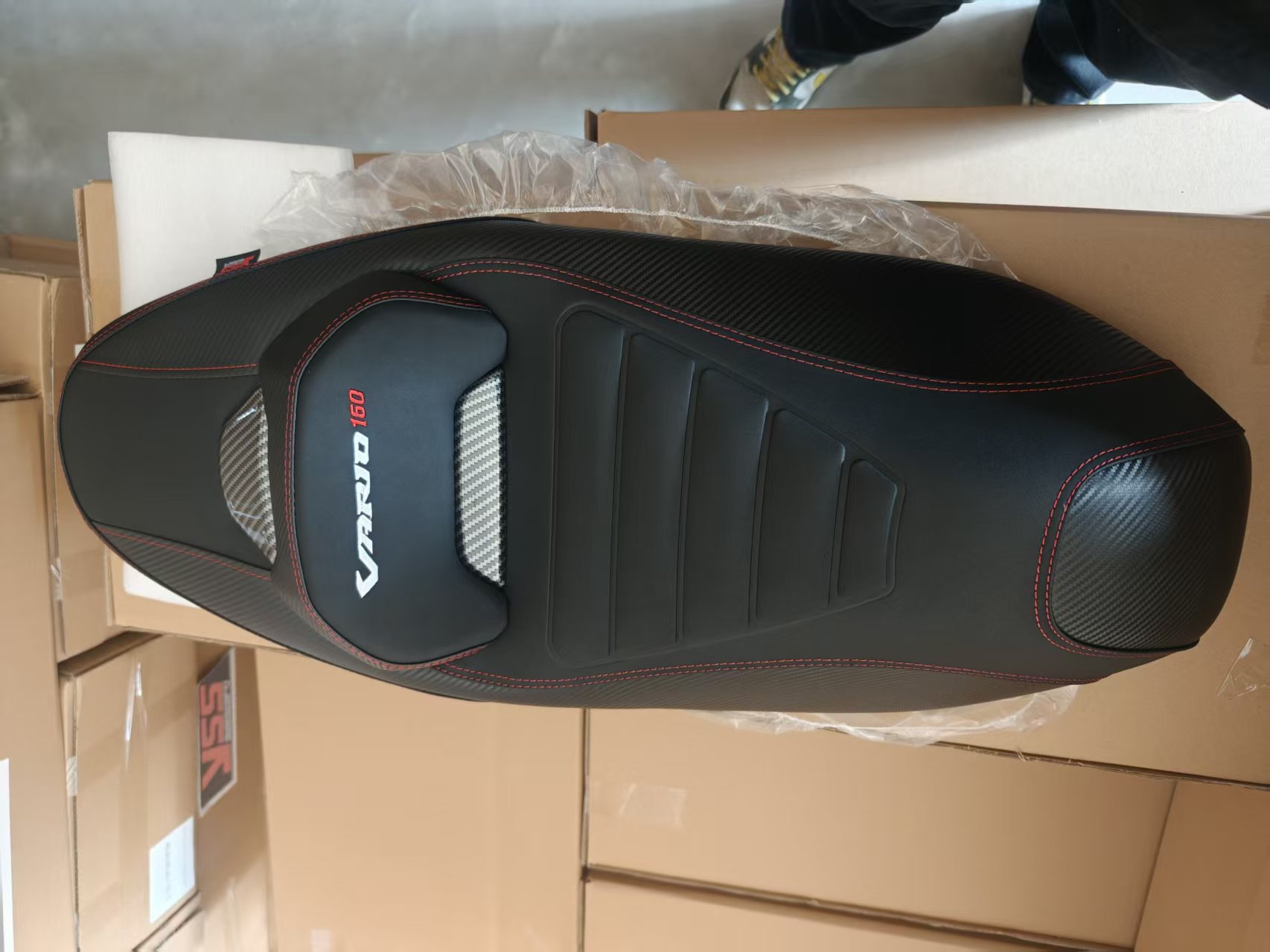
Southeast Asia is a scooter-dominant replacement market, and demand concentrates on models such as the Honda Click 150, Vario 160 and ADV series, the Yamaha Nmax and Aerox, and comparable commuter platforms. Import and registration rules are set nationally rather than regionally, so the documents that matter are usually those the local importer or distributor must file. For seat cushions supplied as replacement parts, buyers should confirm with the importer which product descriptions, specifications and material declarations are required, and ask the factory for a specification sheet that matches the invoice description exactly.
Europe
In Europe, seat compliance is generally framed at vehicle level rather than at the individual cushion. UN Regulation No. 17 (ECE R17) covers the approval of vehicle seats, anchorages and head restraints, so a seat supplied into an OEM vehicle program is evaluated through the vehicle's approval path. A replacement seat sold into the aftermarket follows a different route. The buyer's key question is therefore: is this component entering an OEM program or the spare-parts channel? The documentation the factory must supply changes accordingly, and a quality management certificate such as ISO9000 does not substitute for the type-approval documentation relevant to an OEM program.
Middle East
Middle Eastern markets show wide variation. Some are served primarily through importers and wholesalers handling conformity and clearance locally, while others follow distributor-led supply into repair and retail networks. Because conformity steps are frequently administered on the importer side, the supplier's role is to deliver consistent, repeatable product documentation — specification sheets, material composition, packing data and batch-level inspection records that the importer can present when required. Markets in this region also put a premium on weather resistance, which is a product-specification question rather than a certification question.
South America
South American markets are typically importer-driven, with clearance and conformity handled at national level. For seat cushions, the practical compliance work sits in accurate commercial documentation and in product consistency: the same model, same material, same dimensions, order after order. Where a buyer plans a multi-year replacement program, consistency of specification is more valuable than a one-off certificate, because re-approving a changed part is costly.
Important distinction: Italy, Portugal, India, Thailand, Vietnam, Iran, South Korea, Taiwan, Turkey and Lebanon appear in this article as application and supply-record markets. They are markets, not certifications, and market presence must never be presented as equivalent to product approval.
How a Motorcycle Seat Manufacturer Documents Compliance Readiness
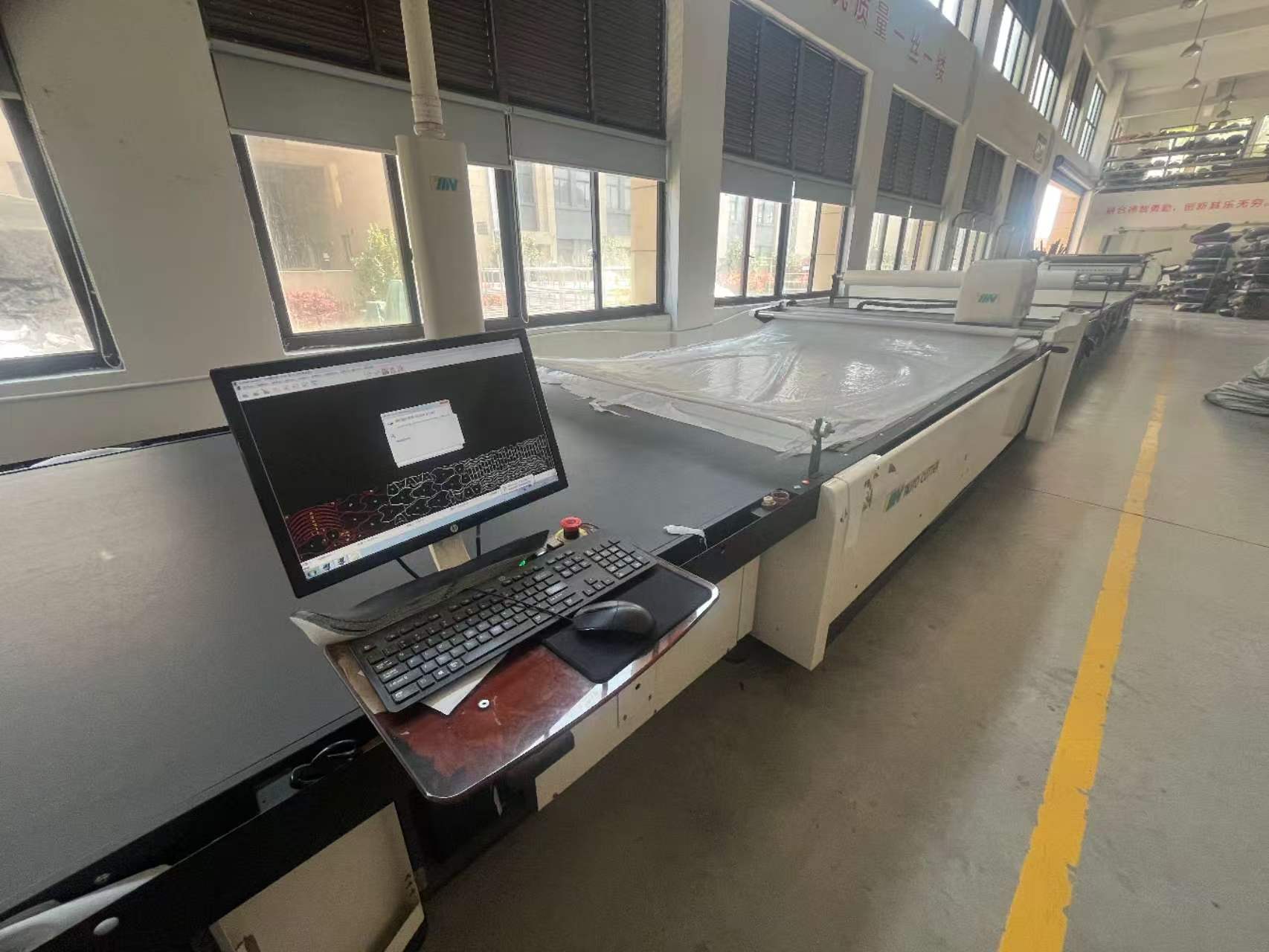
Zhejiang Xingrong Auto & Motorcycle Parts Co., Ltd. — trading as Staron and operating from Taizhou City, Zhejiang Province — illustrates how a seat specialist documents readiness in practice. The company was founded in 2015, operates a 15,000 m² plant with 130 employees, runs a five-engineer R&D team, and reports an annual seat cushion production capacity of 1.8 million units, with an accessory self-production rate of 90%. Its export ratio stands at approximately 20%, with main markets in Southeast Asia, Europe, the Middle East and South America.
On the certification layer, the company has passed ISO9000 quality management system certification and holds CQC certification, and states that it has established long-term strategic partnerships with a number of domestic first-line brand general machinery factories. Read correctly, these statements answer the system question: there is a managed quality process attached to the production site. They do not, on their own, answer whether a specific seat model is approved for a specific export market — and no honest supplier should claim they do.
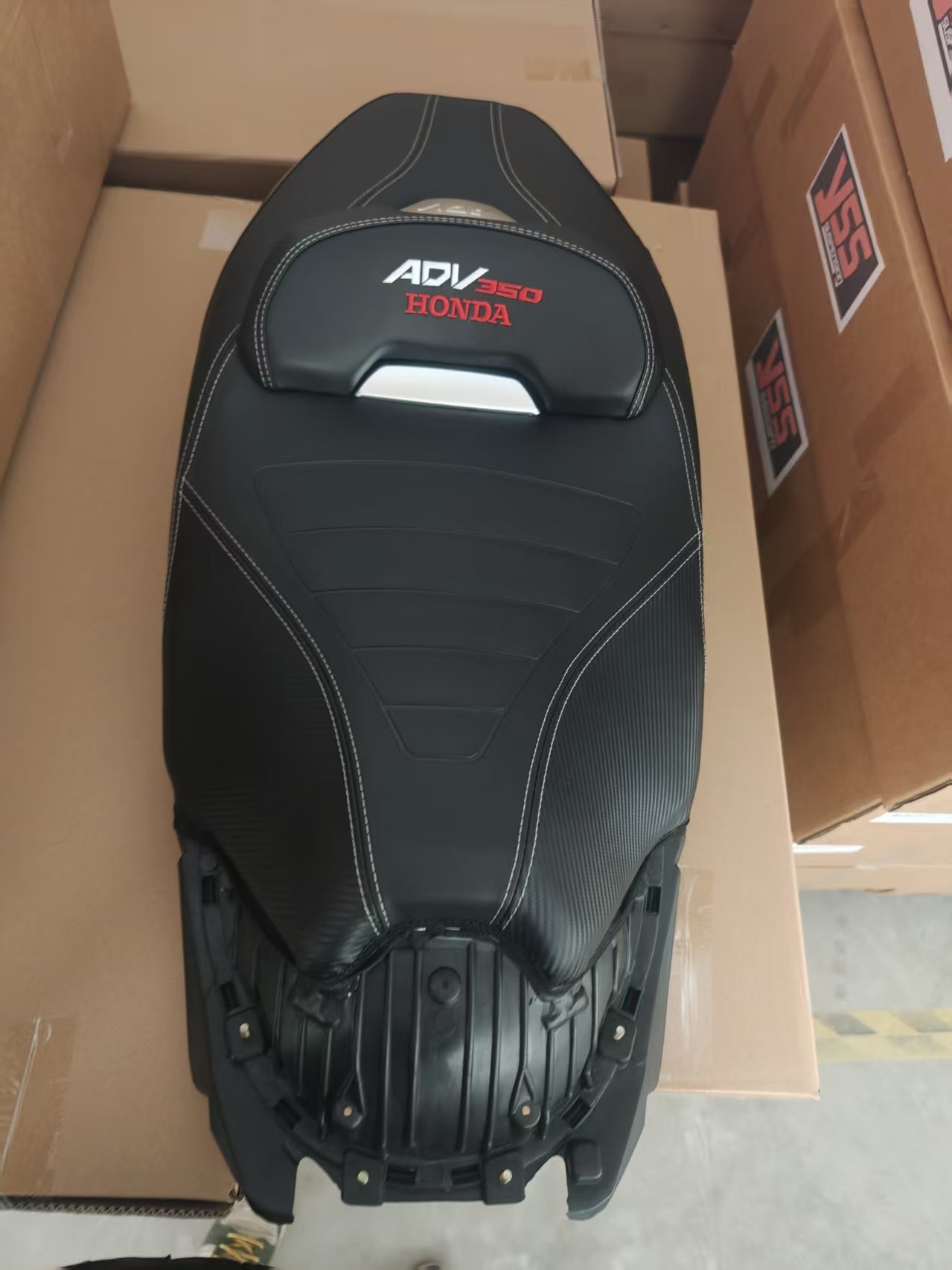
The product layer carries the specification evidence. The motorcycle seats produced by the company are built on a PP plate, PU foam and PVC leather construction, with 80D high-density foam and a high-strength floor structure. They are supplied in two broad types — scooter seats and dirt bike seats — and the documented fitment list covers the Nmax, Xmax, Aerox, ADV150, ADV160, Forza, PCX and Click models. This motorcycle seat fits Nmax, Xmax, Aerox, ADV150, ADV160, Forza, PCX and Click models. Stated performance characteristics include seating feel, visual appearance, repair-and-replacement suitability and waterproofing, matched to a working condition defined as waterproof with special requirements for weather resistance, a wear-resistant surface and ergonomic design.
The process layer is where compliance is actually proven batch by batch. The company applies 100% pre-shipment testing, meaning every order is inspected before dispatch rather than sampled selectively. Monthly capacity is 50,000 pieces, standard lead time is 25–35 days, and the minimum order quantity is 50 pieces, with OEM and ODM production available. Customization options include logo branding, leather cover design and stitching line colour. After-sales coverage is a one-year warranty.
The project layer supplies the most persuasive evidence of all, because it shows the system producing repeatable results across borders. The company's application and project records span 11 markets — including India, Italy, Portugal, Thailand, Vietnam, Iran, South Korea, Taiwan, Turkey and Lebanon, with additional records covering Malaysia, the Philippines and Mexico — and are concentrated in motorcycle parts replacement. The most concrete record is a 5,000-piece program for Lebanon, delivered for a replacement application over a two-year project period, with documented results covering seating feel, visual effect and waterproof performance. A two-year, multi-thousand-piece run is a stronger compliance signal than a certificate photocopy, because it demonstrates that specification, inspection and supply continuity held together over time.
Step-by-Step: A Seven-Step Certification Verification Workflow
The workflow below can be applied to any motorcycle seat supplier, and it converts an ambiguous "are you certified?" conversation into a documented decision.
Step 1 — Classify the certificate
Always classify first. Is the document a management-system certificate such as ISO9000, a certification within a national framework such as CQC, or a product-level approval tied to a vehicle regulation? Each class answers a different question, and mixing them is the most common interpretation error.
Step 2 — Confirm scope and site
Ask which products and which production site the certificate covers, and whether the seat you are ordering falls inside that scope. A certificate attached to a different product line or a different plant does not describe your order.
Step 3 — Map the certificate to the destination market
List the markets you actually ship to, then ask your importer what is required at entry for a replacement seat cushion. In Europe, the answer may reference the vehicle-level approval framework, including UN Regulation No. 17 (ECE R17). In Southeast Asia, the Middle East and South America, the answer is usually a documentation set handled locally by the importer.
Step 4 — Request the product specification in writing
Ask for a written specification covering base plate material, foam density and structure, cover material, waterproof performance and fitment list. For the range described in this article, that means PP plate, PU foam, PVC leather, 80D high-density foam, high-strength floor structure, and fitment covering Nmax, Xmax, Aerox, ADV150, ADV160, Forza, PCX and Click.
Step 5 — Verify the inspection protocol
Confirm whether inspection is sampled or complete. A 100% pre-shipment test protocol means every order is checked before dispatch, and you should be able to request the inspection record for your batch.
Step 6 — Read the warranty in commercial terms
A one-year warranty is only meaningful if the covered defects, claim process and replacement terms are defined. Ask how a claim is raised, what evidence is required, and who pays freight on a replacement unit.
Step 7 — Validate with a sample and a pilot order
Before committing to a program, validate fitment, surface feel and waterproof performance on a sample, then test supply stability with a pilot order against a 25–35 day lead time. This is the step that converts documentation into confidence.
Use Cases: Four Regional Sourcing Scenarios
Southeast Asian scooter replacement programs. A distributor supplying Click, Vario, Nmax or ADV riders needs a waterproof seat with predictable fitment and consistent cover finish, ordered repeatedly in modest quantities. A 50-piece MOQ and a 25–35 day lead time allow replenishment without large inventory risk, while 100% pre-shipment testing protects the distributor from batch-level surprises that would otherwise surface in the workshop.
European aftermarket and OEM-adjacent supply. Italian and Portuguese buyers typically evaluate a seat on appearance, surface quality and documentation clarity. The decisive question is usually program type: an aftermarket replacement part requires a clean specification and consistent output, while an OEM program pulls the component into the vehicle approval framework, including seat, anchorage and head restraint provisions under UN Regulation No. 17 (ECE R17).
Middle Eastern durability-driven supply. Heat, dust and rough roads make weather resistance and wear-resistant surfaces primary buying criteria. The Lebanon record is the clearest example: 5,000 pieces supplied for replacement use across a two-year project, with results documented around seating feel, visual effect and waterproof performance — evidence that the same specification held across repeated production runs.
Multi-market brand owners covering Latin America and Asia. A brand owner selling across several regions must reconcile different importer requirements with a single product platform. Standardising on one base specification — one foam density, one cover material family, one fitment list — while varying logo branding, leather cover design and stitching line colour as commercial customization, keeps compliance work manageable while still differentiating the product at retail.
Comparison Table: What Each Compliance Document Does and Does Not Prove
| Document / Mechanism | What It Signals | What the Buyer Must Still Verify |
|---|---|---|
| ISO9000 quality management system certification | A managed quality process exists at the certified organisation | Certified scope, issuing body, validity period, and whether your seat model and site are covered |
| CQC certification | A defined scope has been certified within China's certification system | The exact product scope and standard referenced, and whether it matches the item you are purchasing |
| UN Regulation No. 17 (ECE R17) | Uniform provisions for approval of vehicle seats, anchorages and head restraints | Whether your product enters a vehicle approval program or the aftermarket, and which documentation that route requires |
| 100% pre-shipment testing | Every order is inspected before dispatch rather than sampled | Inspection criteria used, and access to the record for your specific batch |
| 1-year warranty | Post-sale coverage commitment on supplied seats | Covered defects, claim procedure, evidence required and freight responsibility |
Regional Verification Checklist
| Region | Where Compliance Work Sits | Ask the Supplier For |
|---|---|---|
| Southeast Asia | National import and registration rules, usually handled by the local importer | Specification sheet matching the invoice description, waterproof performance statement, fitment list |
| Europe | Vehicle-level approval framework, including UN Regulation No. 17 (ECE R17) for seats, anchorages and head restraints | Clarity on OEM versus aftermarket route, material composition, dimensional consistency data |
| Middle East | Importer-side conformity and clearance, varying by country | Batch inspection records, weather-resistance and wear-resistant surface specifications |
| South America | National clearance and conformity, importer-driven | Commercial documentation accuracy and specification stability across repeat orders |
Production and Quality Control Snapshot
| Parameter | Documented Value |
|---|---|
| Construction | PP plate, PU foam, PVC leather; 80D high-density foam; high-strength floor structure |
| Fitment | Nmax, Xmax, Aerox, ADV150, ADV160, Forza, PCX, Click |
| Seat types | Scooter seats; dirt bike seats |
| Monthly capacity | 50,000 pieces |
| Lead time | 25–35 days |
| MOQ | 50 pieces |
| Quality control | 100% pre-shipment test |
| After-sales | 1-year warranty |
| Customization | Logo brand; leather cover design; stitching line colour (OEM / ODM) |
Frequently Asked Questions
Does ISO9000 certification mean a motorcycle seat is approved for export to Europe?
No. ISO9000 is a quality management system certification: it indicates that a controlled quality process exists at the certified organisation. It is not a product approval for a specific market. For European supply, the relevant framework for seats sits at vehicle level — UN Regulation No. 17 (ECE R17) establishes uniform provisions for the approval of vehicle seats, anchorages and head restraints. Buyers should confirm whether their order enters an OEM vehicle approval program or the aftermarket channel, and request the documentation that route requires from the supplier and the importer.
What is the difference between ISO9000 and CQC when evaluating a seat supplier?
They answer different questions. ISO9000 addresses the management system behind production; CQC is a certification issued within China's certification system for a defined scope. When a supplier states both, the buyer's follow-up should be the same for each: what scope is covered, at which site, and does it match the seat model being purchased. A supplier with a clear answer is generally easier to work with than one that treats every certificate as interchangeable.
Can motorcycle seats be produced as OEM or ODM with our own branding?
Yes, where the supplier offers it. Zhejiang Xingrong Auto & Motorcycle Parts Co., Ltd. runs OEM and ODM production for motorcycle seats, with customization covering logo branding, leather cover design and stitching line colour. Documented monthly capacity is 50,000 pieces and the minimum order quantity is 50 pieces, which allows brand owners and distributors to test a customized specification before scaling. The seat platform covers Nmax, Xmax, Aerox, ADV150, ADV160, Forza, PCX and Click fitment.
What order quantity and lead time should a wholesale buyer plan for?
For this supply base, the documented planning parameters are a 50-piece minimum order quantity and a 25–35 day lead time, against a monthly capacity of 50,000 pieces. These figures matter for budget planning because they define the smallest testable order and the replenishment rhythm. Buyers running replacement programs across multiple markets typically use the MOQ to validate fitment and finish, then scale into the monthly capacity once the specification is locked.
Can we request a sample and pre-shipment test evidence before committing to a program?
That is the recommended sequence, and it is normally the fastest way to resolve compliance uncertainty. Every order in this supply base goes through a 100% pre-shipment test, and supplied seats carry a one-year warranty, so a sample evaluation plus a pilot order gives you both the physical validation and the inspection record. Buyers who want to move to that stage can request a sample, the current catalog and pre-shipment test documentation directly from Zhejiang Xingrong by email at mike@zjstaron.com or WhatsApp +86 13738695125.
Conclusion: Treat Certification as a Chain, Not a Badge
Sourcing motorcycle seats under compliance constraints comes down to matching three layers correctly. The system layer — ISO9000 quality management system certification and CQC certification — tells you that the factory operates under managed processes. The product layer — PP plate, PU foam and PVC leather construction, 80D high-density foam, high-strength floor structure, waterproof performance, and fitment across Nmax, Xmax, Aerox, ADV150, ADV160, Forza, PCX and Click — tells you what is actually being shipped. The process and project layer — 100% pre-shipment testing, a 25–35 day lead time, a 50-piece MOQ, 50,000-piece monthly capacity, a one-year warranty, and an 11-market project record including a 5,000-piece Lebanon program delivered over two years — tells you whether the first two layers hold up in practice.
Regional requirements differ, but the buyer's method does not: classify each document, confirm scope, map it to the destination market, and validate with a sample before scaling. Buyers who follow that sequence do not need perfect certainty about every regulation — they need a supplier that can produce the right document at the right time.
Next step: verify before you commit
Request a motorcycle seat sample, the current specification sheet and pre-shipment test documentation from Zhejiang Xingrong Auto & Motorcycle Parts Co., Ltd. (Staron), No. 81 Jiangxin Road, Agglomeration Zone, Taizhou City, Zhejiang Province, China.
Email: mike@zjstaron.com | WhatsApp: +86 13738695125 | Website: www.zjstaron.com
Download the full product catalog: STARON Seat Cushion Catalog (PDF)
Have Questions or Need More Details?
Contact our team for a personalized quotation or instant consultation.
Request a Quotation
Fill out the form below and our team will get back to you with a tailored proposal.
WhatsApp Direct Chat
Prefer to chat in real-time? Message us on WhatsApp for instant assistance & quick answers.
- Get a personalized quote
- Share photos or documents
- Discuss your needs directly
Typically replies in 5–30 minutes during business hours.