Custom Motorcycle Seat Production: OEM/ODM Capabilities, Process, and Sourcing Guide
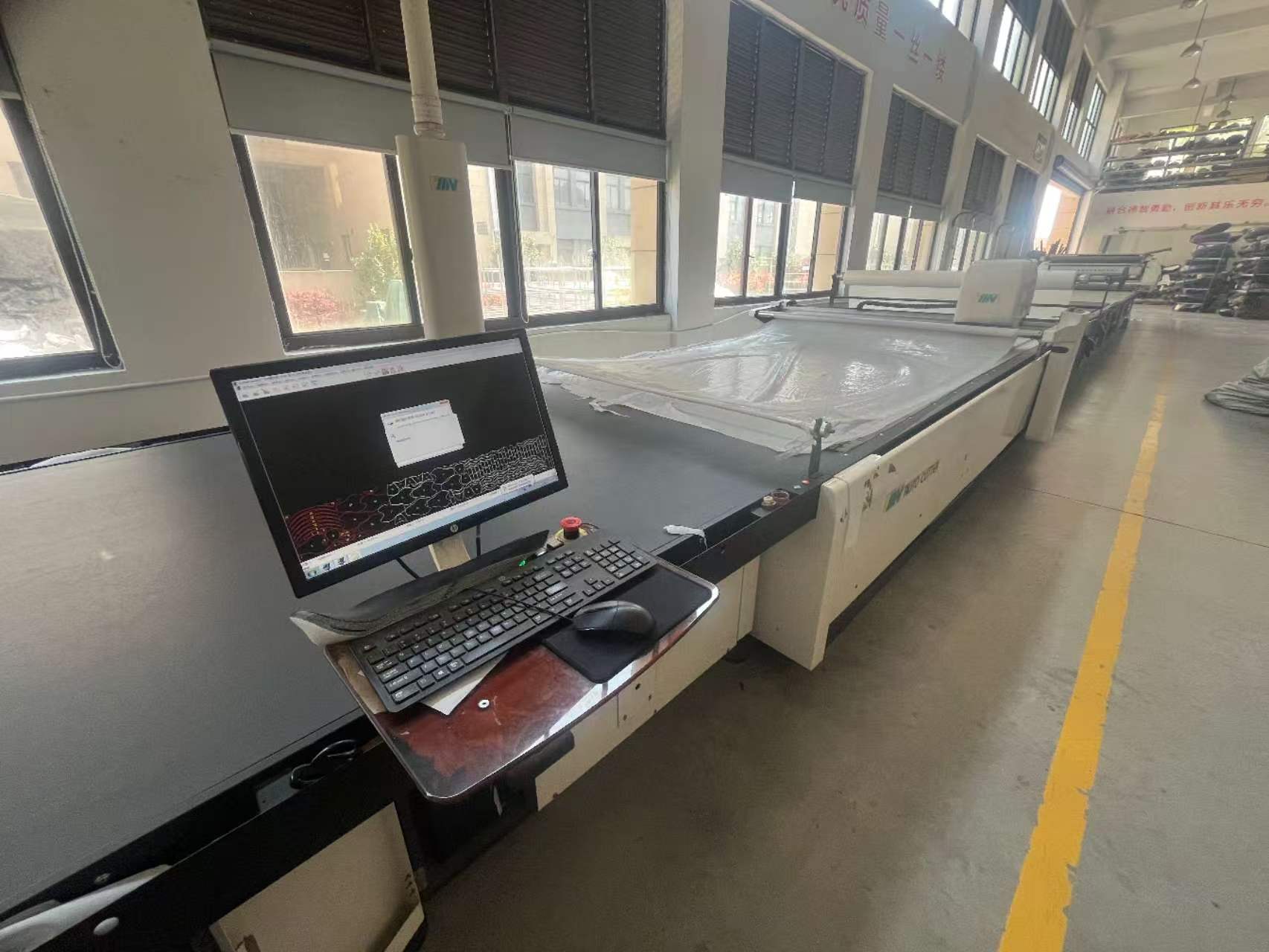
Many buyers who search for an OEM motorcycle seat manufacturer for custom models are not looking for a single spare part. They want to know whether a factory can produce a seat that fits a specific bike, meets comfort and waterproof expectations, and scales from a sample to a container order.
This guide explains the practical side of custom motorcycle seat production. It uses Zhejiang Xingrong Auto & Motorcycle Parts Co., Ltd. (Staron) as a working example of OEM/ODM manufacturing. Whether your program covers a Honda motorcycle seat, a Yamaha motorcycle seat, or a Vespa-style urban scooter seat, the same evaluation logic applies: model fitment, material stack, production capability, and commercial terms.
For buyers evaluating a custom modified motorcycle seat, the key is to match the factory’s capabilities to their project requirements before talking about price.
Problem Definition: Why Custom Seat Buying Programs Stall
Custom seat projects usually fail at one of three points: fitment, appearance, or order execution.
Fitment is the most common obstacle. A seat must sit on a specific base plate and match the body lines of models such as the Yamaha NMAX/XMAX/Aerox or Honda ADV/PCX/Click. If a factory cannot confirm the base plate geometry, the result will not be a drop-in fit.
Appearance and feel are the next challenge. Buyers often request a soft motorcycle seat, a comfortable motorcycle seat, or a rough surface motorcycle seat for grip. These choices affect foam density, cover material, and stitching. In a custom project, the buyer must define not only the motorcycle model but also the seat type, foam density, cover material, stitching pattern, logo placement, and surface texture.
Execution risk is the third challenge. A low-volume program can be blocked by a high MOQ, long lead time, or weak quality control. Buyers need a factory that can provide clear commercial terms and pre-shipment inspection.
Industry Background: Why OEM/ODM Seat Sourcing Is Growing
According to Market Research Future, the global motorcycle seats market was valued at USD 7.42 billion in 2025 and is projected to reach USD 13.30 billion by 2032, growing at a CAGR of 8.69%.
Dataintelo data shows that the aftermarket distribution channel holds the largest share of motorcycle seat revenue, around 62.3% in 2025. In other words, replacement, modified, and custom seats—not only original equipment—are the larger part of the business.
Asia-Pacific led the market with a 38.5% revenue share in 2025, supported by high vehicle production and sales in China. This makes OEM/ODM sourcing from Chinese factories a relevant option for global buyers.
Material trends also favor waterproof and comfort-oriented designs. Leather remains a premium material, but synthetic options such as vinyl and foam are increasingly used in mid-range seats for waterproof and soft surface features.
On the compliance side, UN Regulation No. 17 (ECE R17) establishes provisions for vehicle seats, anchorages, and head restraints in regulated markets. Buyers should ask how their supplier documents construction and whether third-party inspection is possible.
Detailed Solution: Staron’s OEM/ODM Motorcycle Seat Capabilities
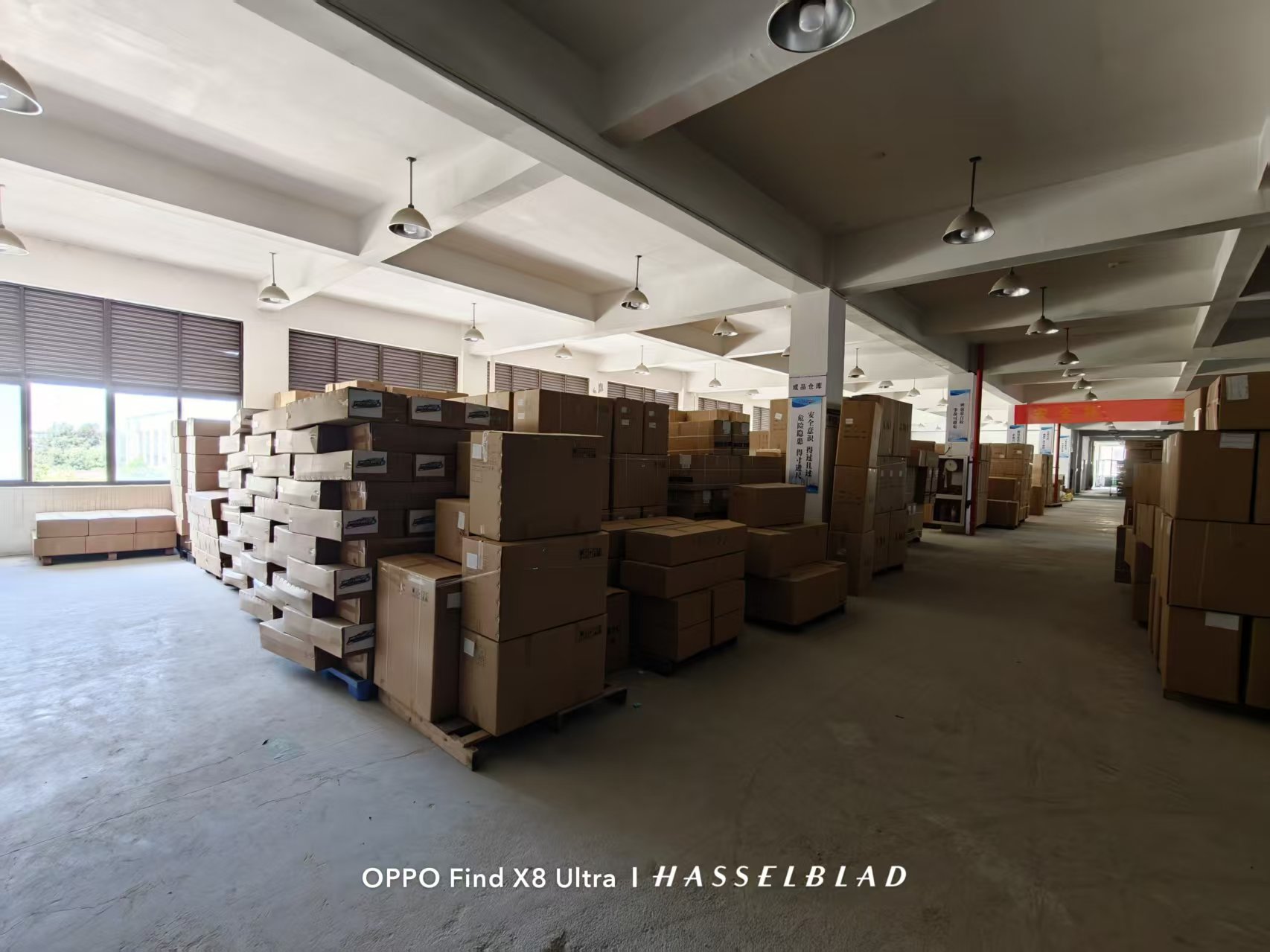
Zhejiang Xingrong Auto & Motorcycle Parts Co., Ltd. is a Taizhou-based seat cushion manufacturer established in 2015. Its plant covers 15,000 m², with 130 employees and a five-engineer R&D team. Annual production capacity is 1.8 million units, and the self-production rate for product accessories reaches 90%. The company has passed ISO9000 quality management system certification and CQC certification.
The product scope covers motorcycle, electric vehicle, and off-road vehicle seat cushions. The current line includes scooter seats and dirt bike seats. Reference models include Nmax, Xmax, Aerox, ADV150, ADV160, Forza, PCX, and Click.
Staron provides both OEM and ODM production services. In OEM programs, buyers can specify logo brand, leather cover design, and stitching line color. In ODM programs, the factory can develop a custom motorcycle seat according to client specifications.
For product 6750, the reference construction uses a PP plate base, PU foam filling, and PVC leather cover. The foam is 80D high density, and the floor structure is classified as high-strength. This material stack is designed to explain the difference between a high-quality motorcycle seat and a simple cover.
Commercial terms for this product family include a monthly capacity of 50,000 pcs, an MOQ of 50 units, and a lead time of 25–35 days. Delivery can be FOB or EXW. Payment is 30% T/T in advance, with 70% T/T against a copy of the bill of lading. The factory performs 100% pre-shipment testing, accepts third-party inspection, and offers a 1-year warranty.
About 20% of output goes to Southeast Asia, Europe, the Middle East, and South America, giving the factory experience with international packaging and documentation requirements.
Step-by-Step Breakdown: How to Source a Custom Motorcycle Seat
1. Confirm the exact bike model and seat type
State whether you need a scooter seat or a dirt bike seat and give the exact model code. Staron’s reference lineup includes Nmax, Xmax, Aerox, ADV150, ADV160, Forza, PCX, and Click.
2. Check base plate compatibility
A motorcycle seat fixes to a base plate. Ask the supplier to verify mounting points and compare the seat with the original base where possible.
3. Define comfort and material stack
Comfort is driven mainly by foam density. Staron uses 80D high-density foam on model 6750. A sponge-filled motorcycle seat is another way to describe PU foam construction; high-density foam improves rebound and long-term shape retention.
4. Select customization scope
OEM orders can include logo branding, leather cover design, and stitching line color. ODM development can go further and design a seat around your target model, materials, and performance requirements. This is where a custom modified motorcycle seat becomes a repeatable product rather than a one-off workshop job.
5. Agree on MOQ, lead time, and payment
The MOQ is 50 units. Lead time is 25–35 days. Payment is 30% T/T in advance and 70% T/T against a copy of the bill of lading. These terms are practical for both pilot programs and regular restocking.
6. Validate with a sample
Because the factory performs 100% pre-shipment testing and accepts third-party inspection, buyers can use a pilot run to check fitment, stitching, waterproof performance, and seating feel before full production.
7. Monitor production and quality
With annual capacity of 1.8 million units and monthly capacity of 50,000 pcs, the plant is set up for repeatable orders. Keep a checklist for materials, foam density, cover finish, and stitching alignment.
8. Plan logistics and after-sales
Use FOB or EXW terms and record the 1-year warranty details before shipping. This makes post-delivery issues easier to resolve.
Use Cases: Who Buys OEM/ODM Motorcycle Seats?
Motorcycle manufacturers use OEM capacity for model-specific seat builds with brand logos and consistent quality.
Motorcycle repair shops need replacement seats that fit popular scooters. One documented Staron case involved 5,000 pcs for a Lebanon customer over two years, used for motorcycle parts replacement, with reported results of good seating feel, good visual effect, and waterproof performance.
Motorcycle parts retailers order wholesale motorcycle seats for stock. Staron’s export destinations include China, Iran, Italy, South Korea, Lebanon, Malaysia, Mexico, Philippines, Turkey, Taiwan, and Vietnam.
Motorcycle accessory brands can use ODM services to launch a custom seat line with their own logo, stitching, and surface design. This is a practical route for a hot sales motorcycle seat concept that needs production support.
Comparison: OEM Service vs. ODM Development
| Comparison point | OEM production | ODM development |
|---|---|---|
| Scope | Manufacture seats according to buyer specification | Develop and produce a custom seat from a client brief |
| Customization | Logo brand, leather cover design, stitching line color | Custom motorcycle seat development, including design and production |
| Reference models | Nmax, Xmax, Aerox, ADV150, ADV160, Forza, PCX, Click | Based on client specification |
| MOQ | 50 units | 50 units |
| Lead time | 25–35 days | 25–35 days |
| Typical construction | PP plate, PU foam, PVC leather, 80D high-density foam, high-strength floor structure | Customized material stack based on product requirement |
| Quality control | 100% pre-shipment test, third-party inspection accepted | 100% pre-shipment test, third-party inspection accepted |
| Warranty | 1 year | 1 year |
Frequently Asked Questions
What compliance indicators should I check when choosing an OEM motorcycle seat manufacturer?
Zhejiang Xingrong has passed ISO9000 quality management system certification and CQC certification. Buyers targeting regulated markets should also confirm whether standards such as ECE R17 apply to their products. A factory that documents certifications and supports third-party inspection is easier to integrate into a compliance-driven supply chain.
Which models and configurations can the factory produce?
The factory produces scooter seats and dirt bike seats. Reference models include Nmax, Xmax, Aerox, ADV150, ADV160, Forza, PCX, and Click. OEM and ODM services are available. For models not on the list, ODM development can be evaluated based on the customer specification.
What are the MOQ, lead time, and payment terms for an OEM/ODM motorcycle seat order?
The MOQ is 50 units. Lead time is 25–35 days. Monthly capacity is 50,000 pcs. Payment is 30% T/T in advance and 70% T/T against a copy of the bill of lading. Delivery can be FOB or EXW.
Can I get samples or pre-shipment inspection before mass production?
The factory performs 100% pre-shipment testing and accepts third-party inspection. Buyers can use samples or a pilot run to check fitment, seating feel, visual finish, and waterproof performance before confirming a larger order.
What after-sales support is available for ongoing orders?
Zhejiang Xingrong provides a 1-year warranty. To start a project, contact Mike at +86 13738695125 or mike@zjstaron.com for a quote or sample request.
Conclusion
OEM and ODM motorcycle seat sourcing works best when buyers know exactly what to verify: model fitment, material stack, customization options, MOQ, lead time, and quality control. Staron is a working example of a factory that can support these requirements at an annual capacity of 1.8 million units, with an MOQ of 50 units and a 25–35 day lead time. By confirming these points early, buyers can move from evaluation to execution with fewer surprises.
Download the Staron Seat Cushion Catalog
See the current product range and reference model list.
Download Catalog or contact mike@zjstaron.com.
Have Questions or Need More Details?
Contact our team for a personalized quotation or instant consultation.
Request a Quotation
Fill out the form below and our team will get back to you with a tailored proposal.
WhatsApp Direct Chat
Prefer to chat in real-time? Message us on WhatsApp for instant assistance & quick answers.
- Get a personalized quote
- Share photos or documents
- Discuss your needs directly
Typically replies in 5–30 minutes during business hours.