
How a Motorcycle Seat Works: Static Fit and Replacement Role
A motorcycle seat is a non-powered static fitting part. It does not generate motion, it does not consume energy, and it has no connection to the drivetrain. It mounts against the motorcycle main body frame and the body shell, holds the rider in a stable position, and absorbs the daily punishment of weather, abrasion and water. Every question that actually matters when replacing a seat — base plate geometry, foam behaviour, cover material, waterproofing, ergonomics — follows from that single fact.
This explainer treats the motorcycle seat as what it is: a passive structural component used for parts replacement, old seat maintenance and direct replacement. It covers how the unit interfaces with the frame and body shell, how the two configurations (scooter seat and dirt bike seat) differ, which models the replacement format covers — NMAX, XMAX, Aerox, ADV150, ADV160, Forza, PCX and Click — and which construction materials carry the load: PVC leather, 80D high density foam, PU foam and PP plate.
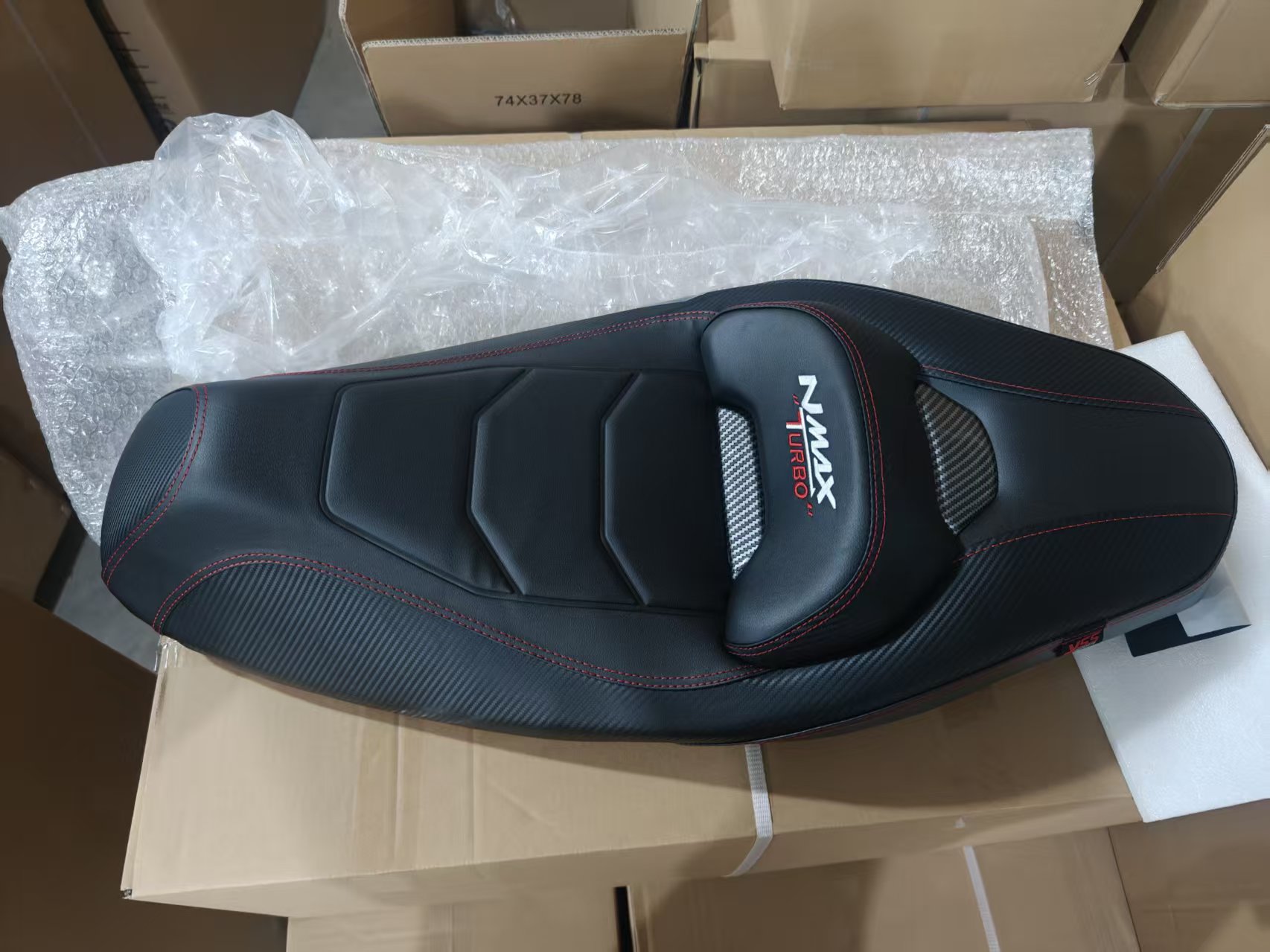
What a Motorcycle Seat Actually Is: A Non-Powered Static Fitting Part
A motorcycle seat is used together with the motorcycle main body frame and the body shell. It is a passive fitting part: compared with an original style seat there is no energy consumption difference, and it performs no active function. Its job is entirely structural and ergonomic — to hold the rider in a stable position, to distribute load across the frame interface, and to survive the weather and abrasion that every road-exposed component faces.
Four requirement categories decide whether a static seat performs, and none of them can be adjusted after the fact:
- Weather resistance — the seat is exposed to sunlight, temperature swings, dust and rain whether the bike is moving or parked.
- Wear-resistant surface — the cover is in constant contact with rider clothing, dirt and boots, and abrasion appears at contact areas and edges first.
- Waterproof capability — water entering the foam layer is the most damaging single event for a seat, because foam structure does not fully recover from repeated saturation.
- Ergonomic design — contour, contact area and support geometry determine comfort, especially on long-distance rides.
Because the part is static, these outcomes are locked in at the design and production stage. A replacement seat is therefore a fitment and material decision, not a features decision.
The Problem: Why Replacement Seats Disappoint Even When They Look Correct
Two risk types dominate the failure record for replacement motorcycle seats: water leakage and physical damage. The control method used in sourcing practice is to supply replacement spare parts, and at production level the enterprise measure is improved packaging safety, which keeps the unit immobilised in transit so that it arrives without structural damage.
Water leakage is the subtler of the two. A seat can look intact and still retain moisture inside the foam layer after rain riding or washing. Once saturated, the foam loses resilience, the seat feels soft and uneven, and the cover can begin to separate from the base plate. Physical damage follows a different path: surface abrasion from clothing and dirt, base plate damage after impact, and transit damage when packaging does not hold the unit still.
The third and least visible failure is interface error. A replacement seat must be used with the motorcycle main body frame and body shell — it is not a universal part. If the PP base plate does not align with the frame mounting area, or if the seat profile does not follow the body shell contact line, the unit will sit unevenly, shift under load, or fail to seat at all, no matter how good the materials are. This is why model fitment is a specification requirement rather than a preference, and why a 10% cost advantage means nothing if the fitment is wrong.
Industry Background: An Aftermarket-Driven Market for a Passive Component
Market data explains why replacement seats matter commercially. The global motorcycle seats market was valued at USD 7.42 billion in 2025 and is projected to reach USD 13.30 billion by 2032, growing at a CAGR of 8.69% (Market Research Future / Dataintelo). Within that market, the aftermarket distribution channel holds the largest share of revenue at approximately 62.3% in 2025, while Asia-Pacific dominated with a 38.5% revenue share in the same year, driven by high production and sales in China (Dataintelo).
Reading estimates carefully: published market size figures for motorcycle seats diverge. Dataintelo's own report cites roughly USD 4.8 billion for 2025, while Market Research Future cites USD 7.42 billion for the same year. Treat the direction — sustained growth and aftermarket dominance — as the reliable signal, and the absolute size as an estimate range.
Material trends point the same way. Leather remains a premium material for motorcycle seats, while synthetic options such as vinyl and foam are increasingly used to deliver waterproof and soft surface features in the mid-range segment (Fortune Business Insights). On the approval side, UN Regulation No. 17 (ECE R17) establishes uniform provisions for the approval of vehicle seats, anchorages and head restraints (UNECE).
For a buyer at the decision stage, the practical conclusion is narrow. This is not a technology race; it is a fitment, material and consistency market, and the purchasing value sits in replacement units that match a specific frame, body shell and model profile, delivered repeatedly to the same specification.
Detailed Solution: How a Replacement Motorcycle Seat Is Specified and Built
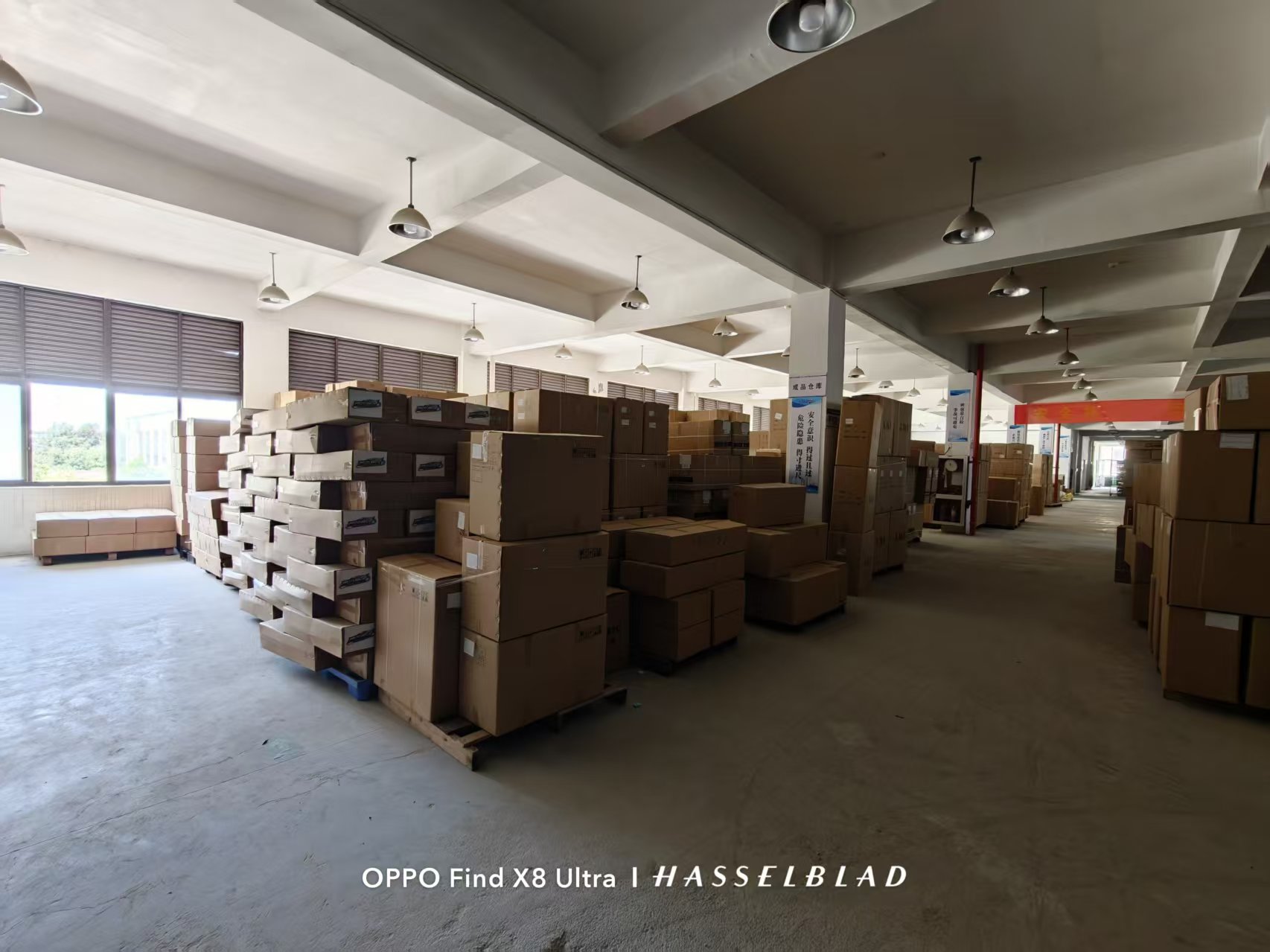
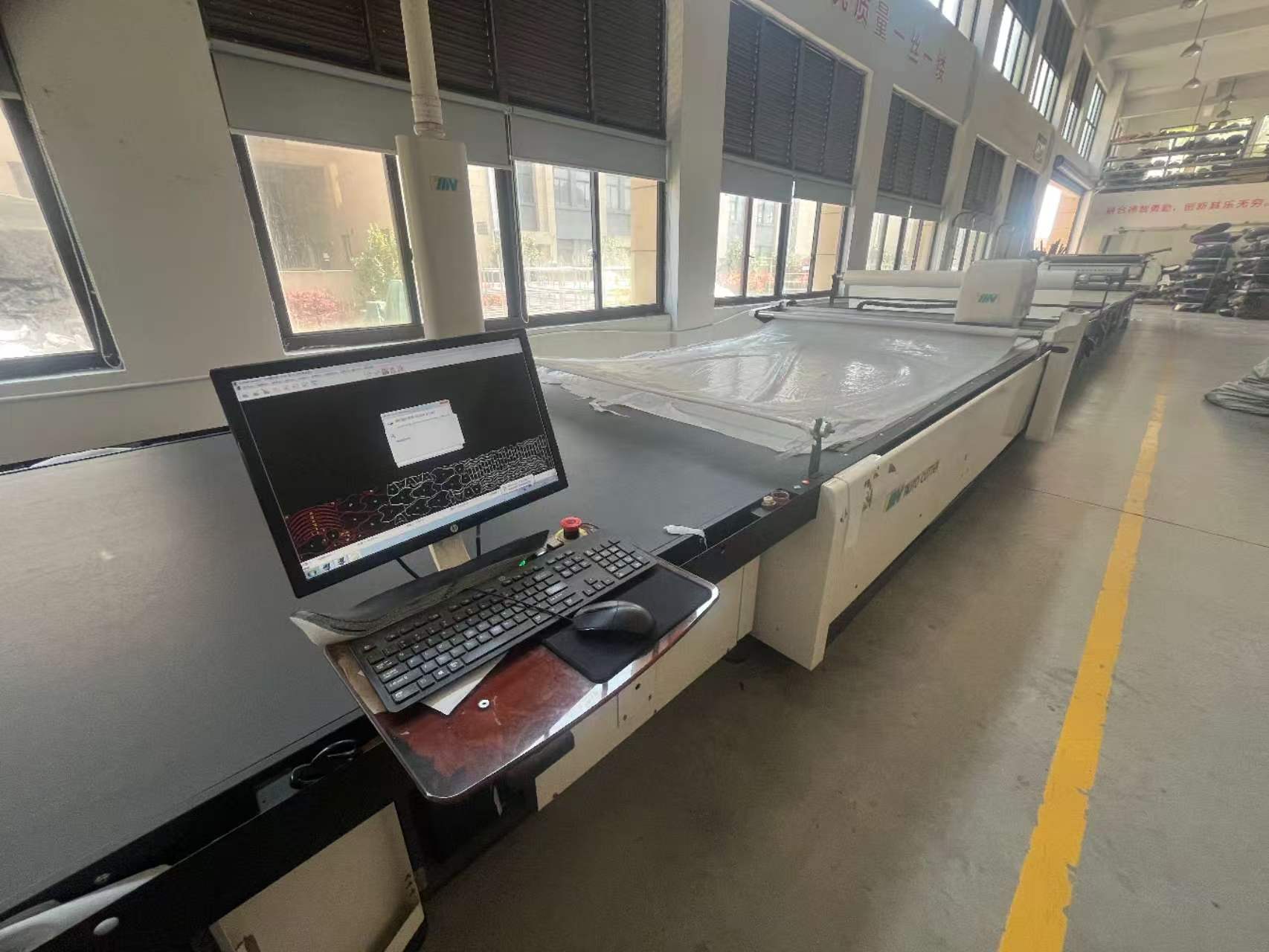
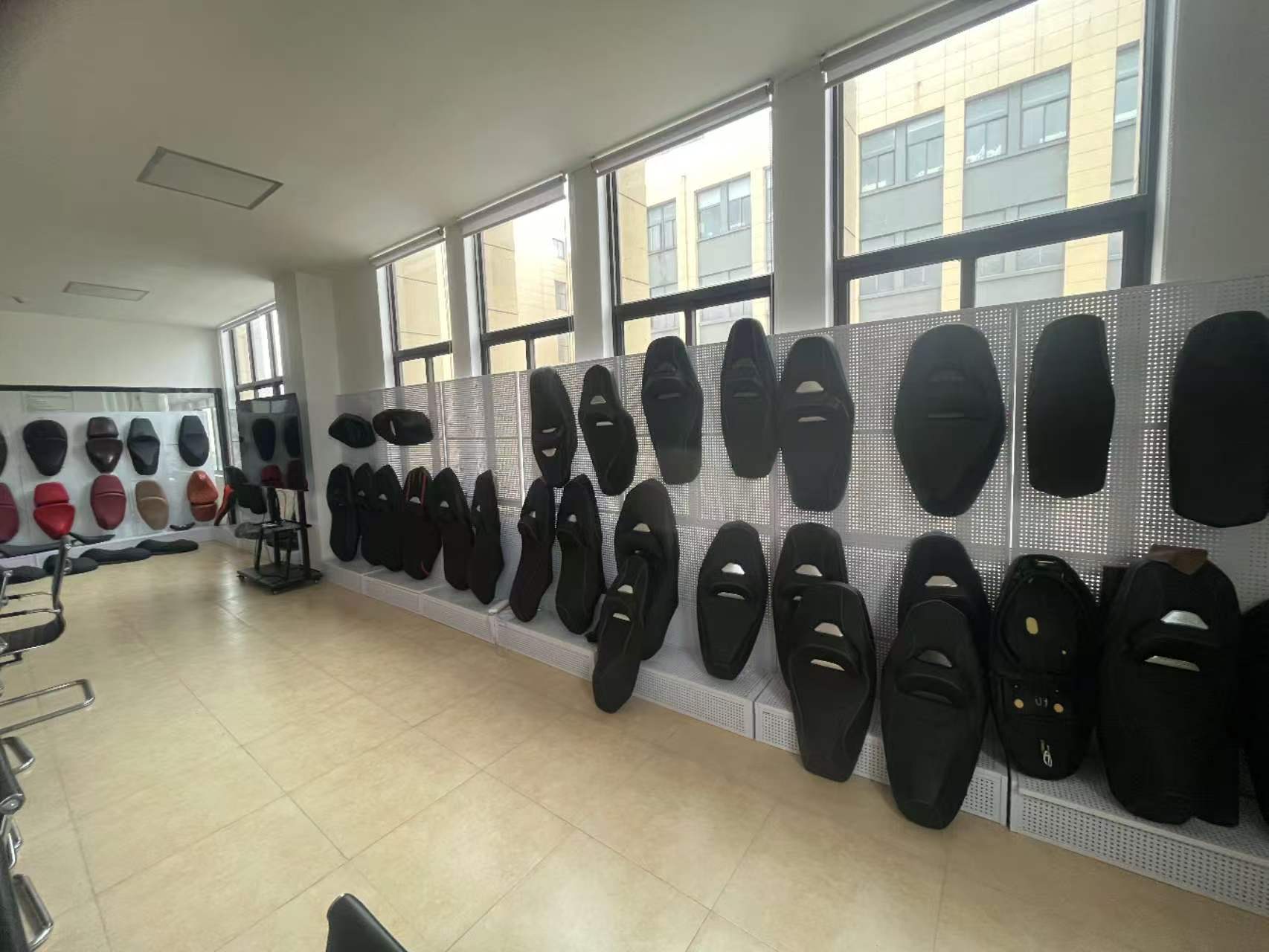
Zhejiang Xingrong Auto & Motorcycle Parts Co., Ltd. (STARON) is a manufacturer of motorcycle, electric vehicle and off-road vehicle seat cushions based in Taizhou City, Zhejiang Province, China, serving motorcycle accessory brands, motorcycle parts retailers, motorcycle repair shops and motorcycle manufacturers. Founded in 2015, the company operates a 15,000 m² plant with 130 employees and a five-engineer R&D team, and reports an annual seat cushion capacity of 1.8 million units with a 90% self-production rate for accessories. About 20% of output is exported, with main markets in Southeast Asia, Europe, the Middle East and South America, and the company holds ISO9000 quality management system certification and CQC certification.
Construction materials and what each layer contributes
A replacement motorcycle seat is a layered static assembly. Each layer answers one of the four requirements above.
| Component | Role in a static fitting seat | Requirement it addresses |
|---|---|---|
| PVC leather | Outer cover — the rider-facing surface and the first barrier against water | Waterproof capability, wear-resistant surface, weather resistance |
| 80D high density foam | Main support layer that carries rider load and returns to shape | Ergonomic design, sustained-load comfort |
| PU foam | Cushioning layer that shapes surface feel and softness | Ergonomic design, comfort |
| PP plate | Rigid base plate that interfaces with the main body frame and body shell | Fitment, structural stability |
The PP plate is what makes the seat a fitting part rather than a cushion. It defines where the unit sits on the frame, and it is the reason a replacement seat has to be model-specific. The 80D high density foam sits above it and governs how the seat behaves over distance, while PU foam refines the surface feel. PVC leather closes the assembly and provides the waterproof, wear-resistant face.
Scooter seat and dirt bike seat: two configurations, one construction logic
Replacement seats are supplied in two main configurations. A scooter seat is shaped around an upright, seated riding position with a broad platform, which suits urban and commuting models. A dirt bike seat is narrower and longer, so the rider can shift body position forward and back over rough terrain. The two differ in profile, foam distribution and surface grip, but they share the same non-powered static construction, the same material stack and the same fitment discipline.
Because the two configurations are not interchangeable on the same machine, configuration is the first filter in any replacement project — ahead of material grade and ahead of price.
Fitment: why the frame and body shell decide the part number
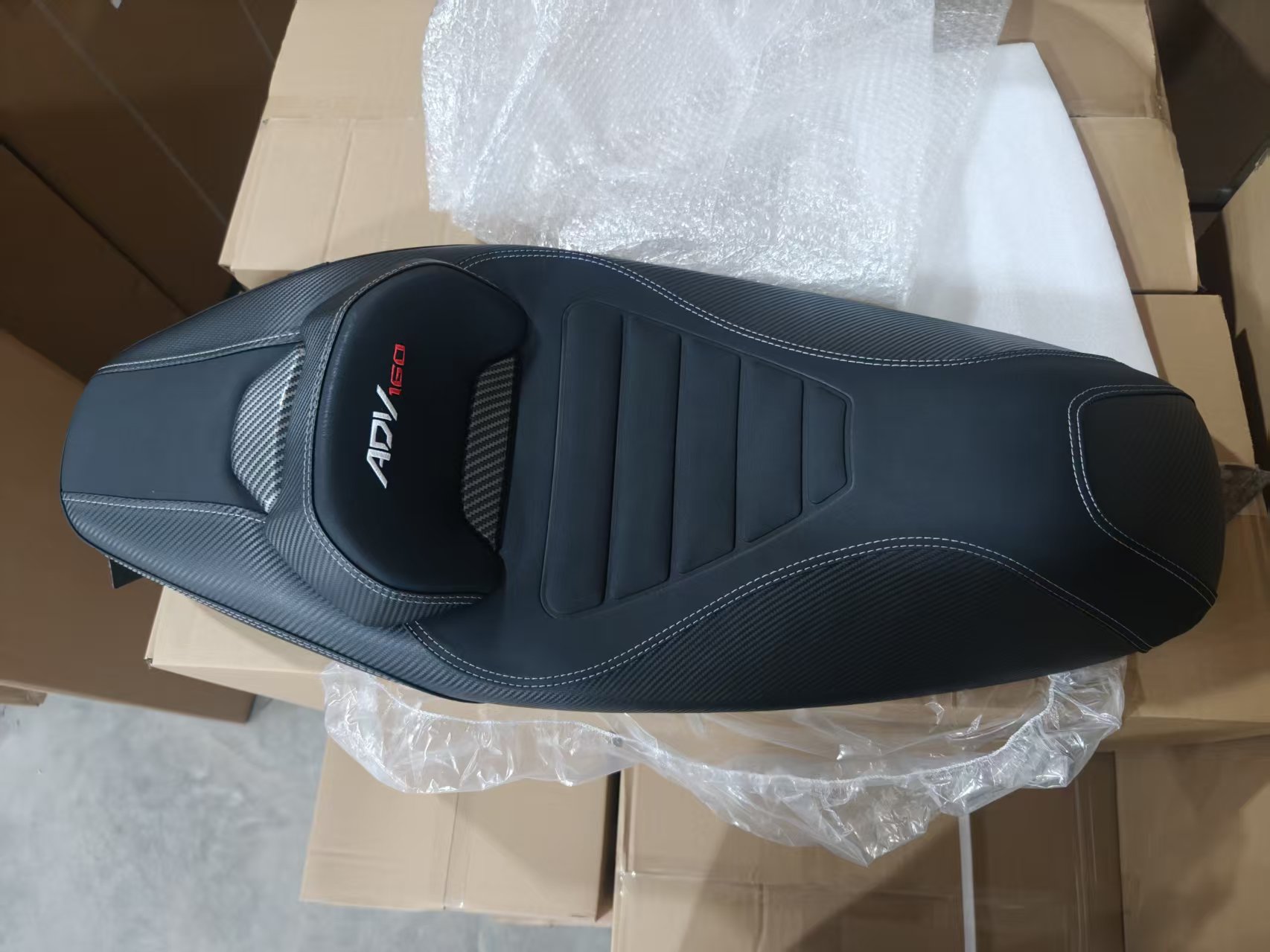
The seat must be used with the motorcycle main body frame and the body shell. In practice this means the base plate must match the frame mounting area, and the seat contour must follow the body shell line so that the unit sits flat and stays sealed. Replacement formats are specified per model, including:
- Yamaha models: NMAX, XMAX, Aerox
- Honda models: ADV150, ADV160, Forza, PCX, Click
Application requirements: weather, wear, water and ergonomics
These four requirements should appear in any specification checklist for a replacement seat, because they describe the conditions the part will actually meet in service:
- Weather resistance — outdoor parking, sunlight and temperature variation. Cover and base plate must tolerate both without hardening or warping.
- Wear-resistant surface — continuous friction from rider clothing and dirt, concentrated at contact areas and edges.
- Waterproof capability — the practical requirement behind the water leakage risk. Rain riding and washing are the two real test conditions.
- Ergonomic design — seat contour and support geometry intended for long-distance riding, not only short trips.
Who the seat is built for
The product is intended for motorcycle accessory brands, motorcycle parts retailers, motorcycle repair shops and motorcycle manufacturers. Each buyer type uses the same part for a different job: a repair shop replaces a worn seat during old seat maintenance, a retailer stocks model-specific replacement units, an accessory brand builds it into a customized range, and a manufacturer uses it as a direct replacement or line-fit option.
Stated performance compared with original style seats
Compared with original style seats, this product is stated to offer a comprehensive procurement cost 10% lower, 30% stronger foam support and a 50% longer expected service life. It is also positioned as more suitable for outdoor, mountain road, highway and rainy weather riding, with customized foam hardness and density and a more personalised appearance. Because these are manufacturer-stated comparisons rather than independent test results, they should be checked against your own landed cost, fitment trial and warranty terms before any bulk commitment.
Step-by-Step: How to Specify, Fit and Validate a Replacement Seat
- Fix the model first. Confirm the exact motorcycle model — for example NMAX, XMAX, Aerox, ADV150, ADV160, Forza, PCX or Click — before discussing material or price. Fitment is model-bound and cannot be averaged across a model family.
- Confirm the interface. Check that the PP base plate corresponds to the mounting area on the main body frame, and that the seat contour follows the body shell line.
- Select the configuration. Decide between scooter seat and dirt bike seat based on ride position and usage, not on appearance.
- Verify the foam specification. Confirm the 80D high density foam layer and the PU foam layer, and — where customization is offered — the foam hardness and density that match the intended riding distance.
- Verify the surface. Confirm PVC leather cover, waterproof capability and wear resistance against the real riding environment, including rainy weather use.
- Check the risk controls. Ask how water leakage and damage risks are handled, whether replacement spare parts are supplied, and how packaging protects the unit in transit.
- Install and inspect clearance. After fitting, check that the seat sits flush against the body shell with no gap, that the base plate is fully seated on the frame, and that the unit does not shift under load.
- Run a validation period. Use the seat in normal conditions — including wet conditions if that is the intended use — before scaling the order or committing to a repeat volume.
Use Cases: Where a Static Replacement Seat Earns Its Place
- Old seat maintenance in repair shops. A worn cover, collapsed foam or water-damaged base is replaced with a complete unit instead of being repaired locally, which restores fitment against the original frame and body shell.
- Parts retail stock. Retailers carry model-specific replacement seats for specific platforms such as NMAX, XMAX, Aerox, ADV150, ADV160, Forza, PCX and Click, where demand follows the installed base of those models.
- Accessory brand and ODM programs. Brands use customized foam hardness, foam density and cover treatment to build a differentiated replacement line on a proven static construction.
- Outdoor, mountain road, highway and rainy-weather riding. These are the conditions where weather resistance, waterproof capability and foam support are tested together rather than individually.
- Direct replacement at manufacturing level. Manufacturers use the same part format for line-fit and after-sales requirements, which keeps a single fitment standard across both channels.
Comparison Table: Replacement Seat vs. Original Style Seat
The comparison below reflects manufacturer-stated figures for this product versus original style seats (Honda, Yamaha). It is a specification comparison, not an independent test result.
| Comparison dimension | Replacement motorcycle seat | Original style seats (Honda, Yamaha) |
|---|---|---|
| Comprehensive procurement cost | 10% lower | Baseline |
| Foam support | 30% stronger foam support | Baseline |
| Expected service life | 50% longer | Baseline |
| Best-suited riding scenarios | Outdoor, mountain road, highway, rainy weather | General road use |
| Maintenance | Less frequent replacement, no daily maintenance required | Standard replacement cycle |
| Energy consumption | No difference (passive fitting part) | No difference (passive fitting part) |
| Customization | Customized foam hardness and density; more personalised appearance | Fixed factory specification |
FAQ
What standards and certifications should a motorcycle seat supplier meet?
Two categories are relevant. At product approval level, UN Regulation No. 17 (ECE R17) establishes uniform provisions for the approval of vehicle seats, anchorages and head restraints (UNECE). At factory level, Zhejiang Xingrong Auto & Motorcycle Parts Co., Ltd. holds ISO9000 quality management system certification and CQC certification. For an aftermarket replacement seat, factory-level certification together with material and fitment documentation is what most buyers can verify directly.
Which motorcycle seat manufacturer is better for OEM customization?
"Better" depends on which criteria a project weights. A practical evaluation covers verified fitment against the motorcycle main body frame and body shell for the specific model; material consistency (PVC leather, 80D high density foam, PU foam, PP plate); configuration coverage in both scooter seat and dirt bike seat formats; model coverage across NMAX, XMAX, Aerox, ADV150, ADV160, Forza, PCX and Click; production capacity and accessory self-production rate; and certification status. As one reference point, Zhejiang Xingrong Auto & Motorcycle Parts Co., Ltd. reports a 1.8 million unit annual seat cushion capacity with a 90% accessory self-production rate, a five-engineer R&D team, and ISO9000 plus CQC certification — these are the capability indicators to compare against any alternative supplier.
Why is the comprehensive procurement cost about 10% lower than original style seats?
This product is stated to offer a comprehensive procurement cost 10% lower than original style seats, alongside 30% stronger foam support and a 50% longer expected service life. The manufacturer reports a 90% self-production rate for accessories, which is the kind of vertical integration that supports a lower comprehensive cost position. Because these are manufacturer-stated comparisons, the number that matters for your project is the landed cost after freight, duties and warranty, not the percentage alone.
How can a buyer confirm the seat will fit the main body frame and body shell?
Confirm three things: the exact model (for example ADV160 or Click), that the PP base plate matches the frame mounting area, and that the seat contour follows the body shell contact line. Then verify physically after fitting — a correctly matched replacement seat sits flush with no gap and does not shift under load. Requesting fitment confirmation against your model list before ordering is the cheapest way to avoid a mismatch.
Does a replacement motorcycle seat change energy consumption or need daily maintenance?
No. The seat is a passive fitting part, so there is no energy consumption difference compared with original style seats, and it requires no daily maintenance; the stated service advantage is less frequent replacement, supported by a 50% longer expected service life. Replacement spare parts are supplied for risk control. For model-specific confirmation and the full specification list, you can download the STARON seat cushion catalog and send your model list for a quotation.
Conclusion: Treat the Seat as a Fitting Part and the Decision Becomes Simple
A motorcycle seat works because it is static. It has no energy consumption, no daily maintenance requirement and no active function — its performance is locked into the base plate, the foam layers and the cover before it is ever fitted. That turns replacement into a fitment and material decision: match the motorcycle main body frame and body shell, choose the right configuration (scooter seat or dirt bike seat), and verify weather resistance, wear resistance, waterproof capability and ergonomic design against the conditions the bike will actually face.
Zhejiang Xingrong Auto & Motorcycle Parts Co., Ltd. (STARON) manufactures seat cushions for motorcycle, electric vehicle and off-road vehicle applications from Taizhou City, Zhejiang Province, covering NMAX, XMAX, Aerox, ADV150, ADV160, Forza, PCX and Click replacement formats in scooter seat and dirt bike seat configurations, built from PVC leather, 80D high density foam, PU foam and PP plate.
Next Step: Sample, Quote or Full Catalog
Send your model list and target configuration to receive fitment confirmation and a quotation.
Email: mike@zjstaron.com | Tel / WhatsApp: +86 13738695125
Website: www.zjstaron.com
Download the catalog: STARON Seat Cushion Catalog (PDF)
Have Questions or Need More Details?
Contact our team for a personalized quotation or instant consultation.
Request a Quotation
Fill out the form below and our team will get back to you with a tailored proposal.
WhatsApp Direct Chat
Prefer to chat in real-time? Message us on WhatsApp for instant assistance & quick answers.
- Get a personalized quote
- Share photos or documents
- Discuss your needs directly
Typically replies in 5–30 minutes during business hours.