
What Is a Motorcycle Seat Cushion Made Of? A Basic Guide to Its Parts and Purpose
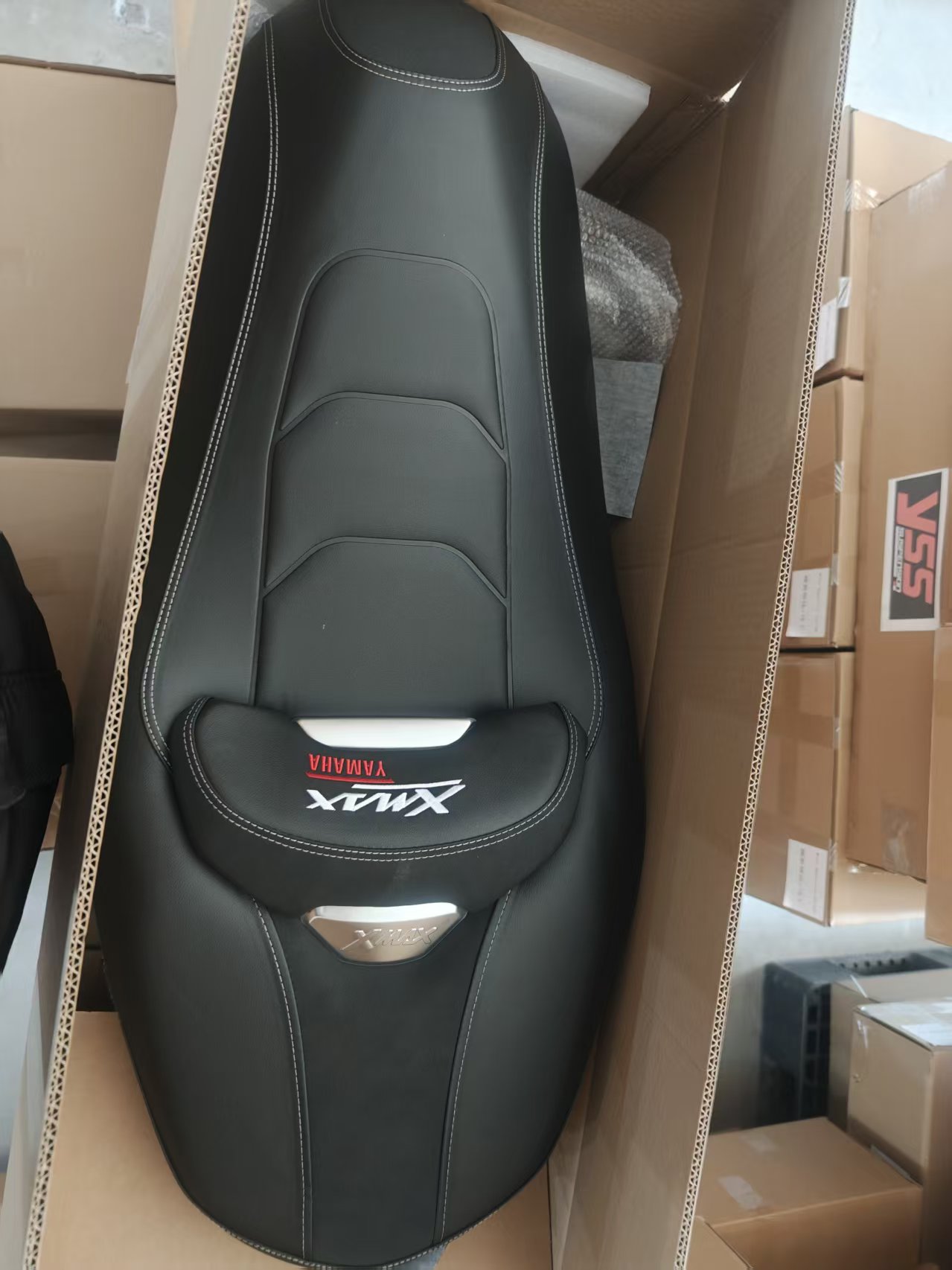
A motorcycle seat cushion is not one block of foam. In the replacement seats produced for models such as the Aerox, the Click and the Forza, four parts do the work: a PVC leather cover, an 80D high density foam cushion, a layer of PU foam, and a PP plate that carries the whole assembly.
This guide takes each part separately. It explains what the part is made of, what it does while the bike is being ridden, and why the answer matters to anyone who buys, sells, fits or specifies replacement motorcycle seats. The component details come from the published product specification for the motorcycle seat; the supply-side background comes from Zhejiang Xingrong Auto and Motorcycle Parts Co., Ltd., a motorcycle seat manufacturer established in 2015 and operating from a 15,000 square metre facility in Taizhou City, Zhejiang Province, China.
Short answer: a motorcycle seat cushion is made of PVC leather on the outside, an 80D high density foam cushion as the main body, PU foam as the intermediate layer, and a PP plate as the rigid base. The seat cushion is a non-powered static fitting part that must be used together with the motorcycle main body frame and motorcycle body shell.
Why the Material Stack of a Seat Cushion Matters
Most riders only think about the seat cushion when something has already gone wrong: the cover has cracked, the cushion has flattened, or water has worked its way into a seam. By that point the useful question has narrowed to something practical — which layer failed, and can the part be replaced on its own?
For buyers, that vagueness has a cost. A seat cushion looks like a finished object from the outside, so it is easy to compare two seats as a general impression of feel rather than as a stack of components with defined materials. Two seats that look almost identical in a product photo can behave very differently after two years of daily use if the foam density, the cover material or the base plate differ.
Breaking the seat cushion into its parts removes that problem. Each layer can be described by material, and each layer has a stated function, which is what makes it possible for a repair shop, an importer or a parts retailer to compare what different suppliers are actually offering.
Where the Demand for Seat Cushions Comes From
According to market research published by Market Research Future, the global motorcycle seats market was valued at USD 7.42 billion in 2025 and is projected to reach USD 13.30 billion by 2032, growing at a CAGR of 8.69%. Dataintelo reports that the aftermarket distribution channel accounts for approximately 62.3% of revenue in this market, while the Asia-Pacific region held a revenue share of 38.5% in 2025, supported by high production and sales volumes in China.
Those figures matter because they describe where the demand sits. When the larger share of value is realised in replacement rather than in new-vehicle assembly, the object a buyer is actually comparing is the component and its internal construction — not a complete motorcycle.
Material trends point the same way. Fortune Business Insights notes that leather remains a premium material for motorcycle seats, while synthetic options such as vinyl and foam-based coverings are increasingly used to deliver waterproof and soft-surface features in the mid-range segment. That is precisely the pattern the four-part stack described in this article belongs to.
The Four Main Parts of a Motorcycle Seat Cushion
The specification behind this seat lists four materials: PVC leather, PU foam, PP plate, and an 80D high density foam cushion. Taken together they form a sandwich in which each layer has one job.
1. The PVC Leather Cover
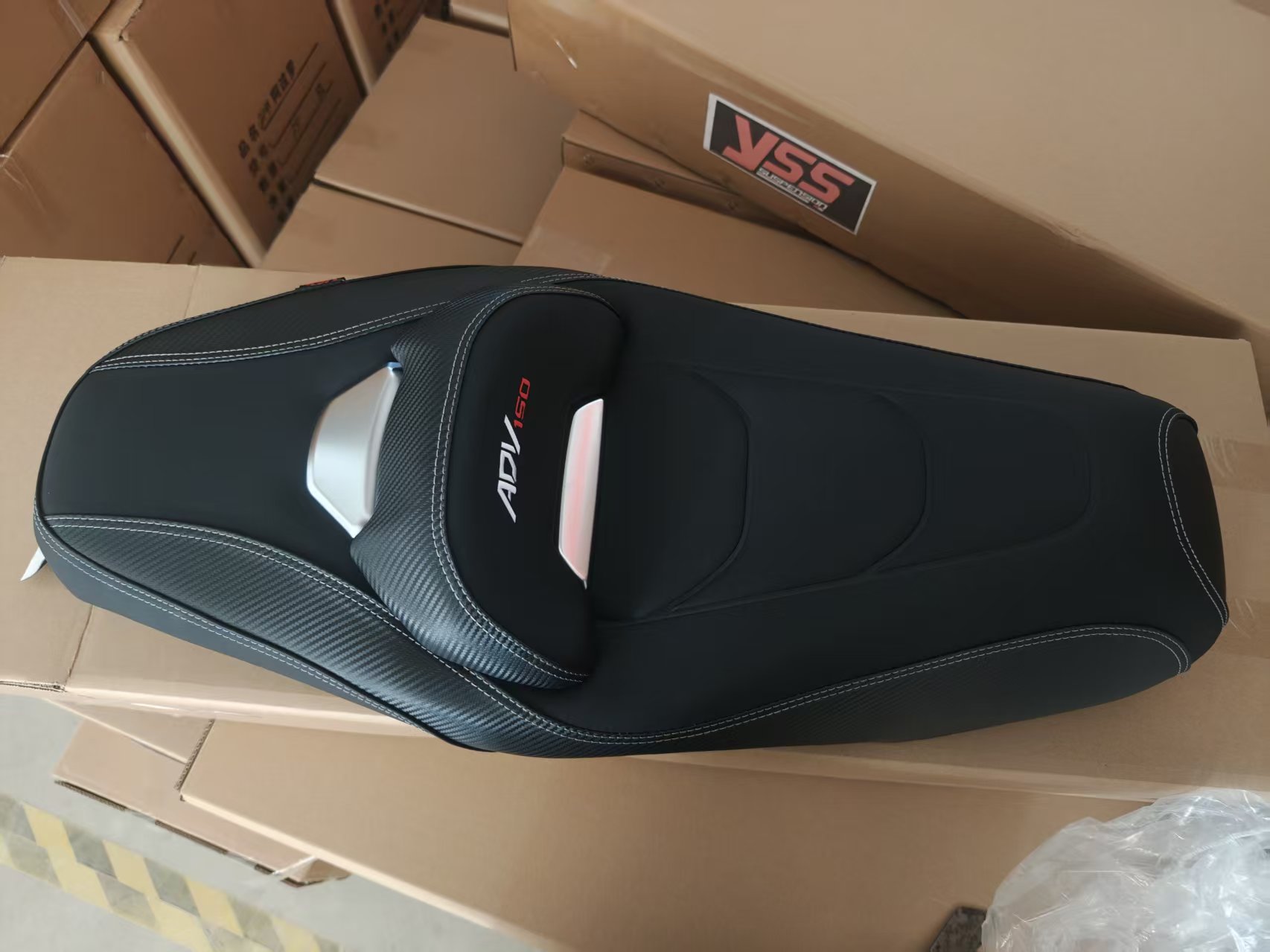
PVC leather is the outer surface of the seat — the part a rider actually touches. In the product specification it is listed as the covering material for the seat.
The cover does three things at once. It forms the contact surface, it creates a barrier against water and road dirt, and it sets the visual appearance of the finished seat. Because it is exposed to sun, friction and rain for the life of the part, its surface has to be wear-resistant and weather-resistant. Those are recorded application requirements for this product, not assumptions.
In practice, the PVC leather cover is usually the first part to show ageing. Surface cracking, a blotchy sheen or a seam that has opened are all cover-level wear, and they do not by themselves mean the foam underneath has failed.
2. The 80D High Density Foam Cushion
The main body of the seat is an 80D high density foam cushion. This is the cushion layer, distinct from the cover on top of it and the plate below it.
The “D” designation refers to the density of the foam, and density controls how firmly the foam resists compression under load. A higher-density foam holds its shape longer than a lower-density one. That is why the 80D figure is called out separately in the specification: it is the layer that decides whether the seat still looks and feels like a seat after extended use. The foam layer has two functions — letting the rider sit into the seat by a controlled amount rather than bottoming out, and creating the profile that helps the rider hold a stable position while riding.
3. The PU Foam Layer
PU foam is the second foam element in the material list of this motorcycle seat.
In the assembled seat, the PU foam works as a transition layer. It sits between the leather surface and the rigid base, providing local softness under pressure. Because PU foam is elastic and easy to shape, it is what allows the profile details of the seat — the edges, the contour of the seating area, the region where the seat meets the bodywork — to be formed without making the whole cushion soft.
4. The PP Plate
The PP (polypropylene) plate is the load-bearing structure. This seat uses a PP plate base, and the specification highlights a high-strength floor structure as part of the design.
The base plate carries the foam, holds the overall shape of the seat, and gives the assembly a rigid component that can be mounted to the motorcycle. Without it, foam under sustained load would simply deform.
The product data also states a mounting constraint that directly shapes how the part is used: the seat cushion must be used together with the motorcycle main body frame and the motorcycle body shell, which serve as its supporting equipment. The seat cushion itself is a non-powered static fitting part — it contains no moving parts and requires no power supply.
Comparison Table: Part, Material and Purpose at a Glance
The table below summarises the four components and what each one contributes, from the point of view of someone assessing a replacement seat rather than a finished motorcycle.
| Part | Material | What it does | What it means when buying |
|---|---|---|---|
| Cover | PVC leather | Forms the contact surface, the water barrier and the visible finish | Determines surface feel, colour and stitching, and how the seat resists wear, weather and water exposure |
| Cushion body | 80D high density foam | Main seating layer; resists compression and holds the profile | Foam density is one of the clearest points of difference between suppliers when comparing long-term durability |
| Intermediate layer | PU foam | Cushions between the leather and the base, and shapes the contour | Affects local softness and how the seat edge sits against the body panel |
| Base | PP plate | Provides the rigid high-strength floor structure and the mounting base | Determines whether the seat keeps its shape under sustained load and installs correctly |
Step by Step: How the Parts Work Together on the Road
Reading the layers from top to bottom shows how the assembly behaves once it is mounted and in use.
- The PVC leather cover takes the contact. Body weight, abrasion and rain hit the cover first. Because the cover is specified as wear-resistant and weather-resistant, it is the layer that absorbs surface damage and keeps water away from the foam.
- The 80D high density foam cushion compresses. As the rider settles into the seat, the density of the foam governs how far it compresses. High density foam keeps the seating position consistent instead of collapsing progressively.
- The PU foam layer absorbs the difference. Around the edges and the contoured areas, PU foam provides the softer response that keeps the seat comfortable rather than flat and hard.
- The PP plate distributes the load. The rigid base spreads the rider's weight across the whole footprint of the seat and holds the mounting geometry, so the cushion does not deform at the points where it meets the frame.
- The frame and body shell carry the assembly. The seat cushion is a non-powered static fitting part, and it must be used with the motorcycle main body frame and motorcycle body shell. Nothing in the cushion itself moves or needs power.
That sequence explains why a single number on a spec sheet never tells the whole story. An 80D foam on a thin base behaves differently from the same foam on a high-strength floor structure, because the plate is what keeps the foam's shape meaningful over time.
What a Motorcycle Seat Cushion Is Designed to Do
The stated functions of this seat cushion are specific, and they map directly onto the parts described above.
- Provide a comfortable riding and sitting experience — delivered mainly by the interaction between the 80D high density foam cushion and the PU foam layer.
- Beautify the motorcycle's appearance — delivered by the PVC leather cover, including the stitching and surface finish.
- Support old-seat maintenance and direct replacement — the seat is designed for motorcycle parts replacement, so it is intended to go onto an existing motorcycle rather than only onto a new build.
- Operate in waterproof conditions — the product is designed for waterproof environments, and the application carries additional requirements for weather resistance and a wear-resistant surface.
- Meet an ergonomic requirement — ergonomic design is a stated requirement of this application, not an optional extra.

Which Motorcycle Models These Cushions Cover
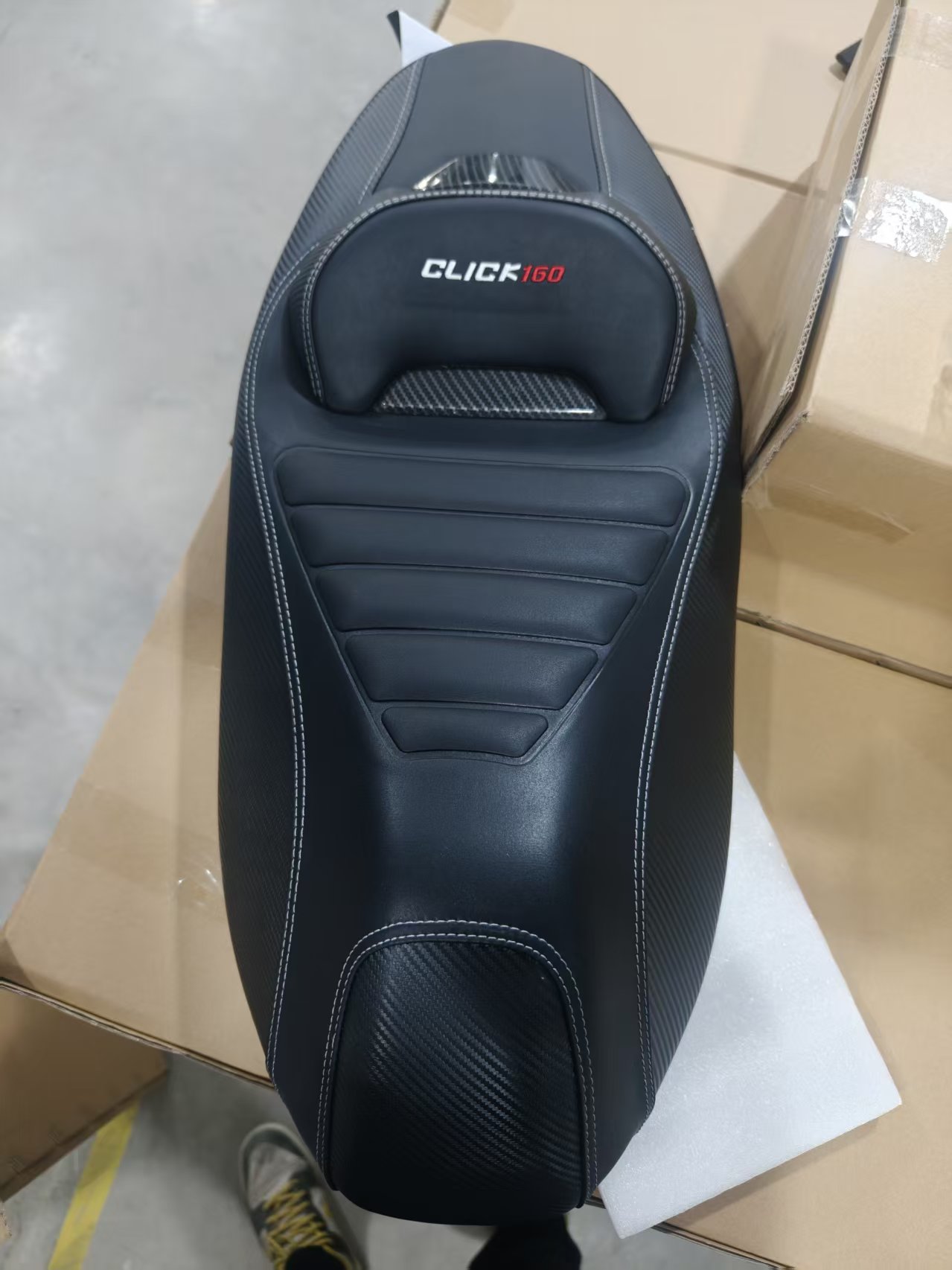
The seat range is specified for the following models: Nmax, Xmax, Aerox, ADV150, ADV160, Forza, PCX and Click. Both scooter seats and dirt bike seats are produced within the same product family, so the same four-part material logic is applied across different seat profiles.
Where These Seats Are Used
The application is common across a number of markets: Iran, India, Italy, South Korea, Lebanon, Portugal, Thailand, Taiwan, Turkey and Vietnam. It appears most often in European and Asian markets such as Italy, Portugal, India, Thailand and Vietnam.
The buyer types behind those applications are also consistent. Motorcycle manufacturers, motorcycle repair shops, motorcycle parts retailers and motorcycle accessory brands are the four groups that use these seats, either as a replacement part, a stock item or a branded accessory line.
Working Conditions the Cushion Is Built For
| Condition | Requirement | Why it is specified |
|---|---|---|
| Water exposure | Designed for waterproof environments and must operate under waterproof conditions | Seats are outside the vehicle shell, so rain and wash water reach them directly |
| Weather | Weather resistance is a special requirement of the application | UV, heat and temperature swings act on the cover and foam over the life of the part |
| Surface wear | Wear-resistant surface required | The rider's clothing and movement abrade the contact surface continuously |
| Rider posture | Ergonomic design required | The seat sets the riding position, so its contour has to suit sustained seated use |
| Mounting | Must be used with the motorcycle main body frame and motorcycle body shell | The cushion is a non-powered static fitting part and depends on the frame for support |
Who Makes These Seat Cushions
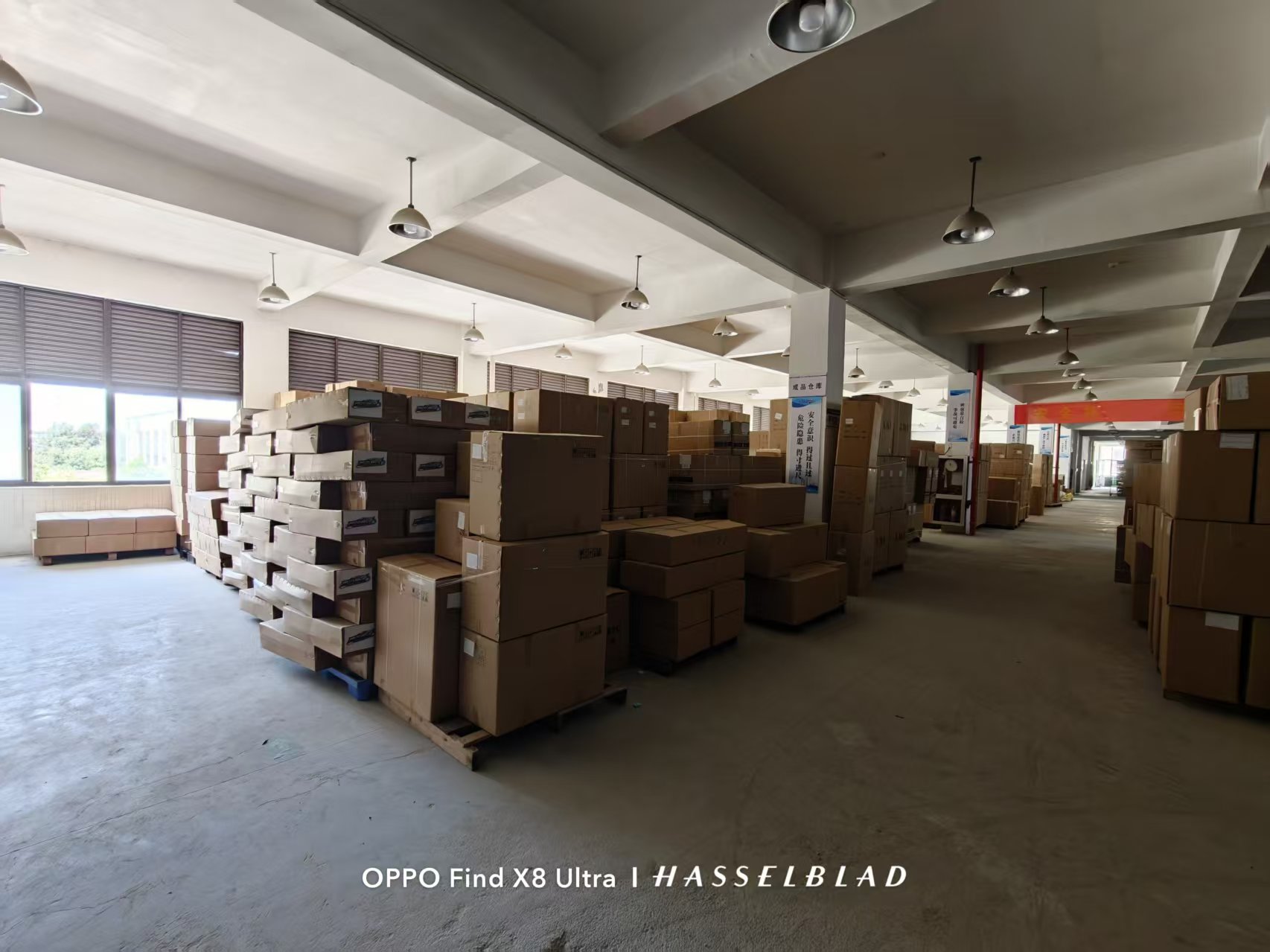
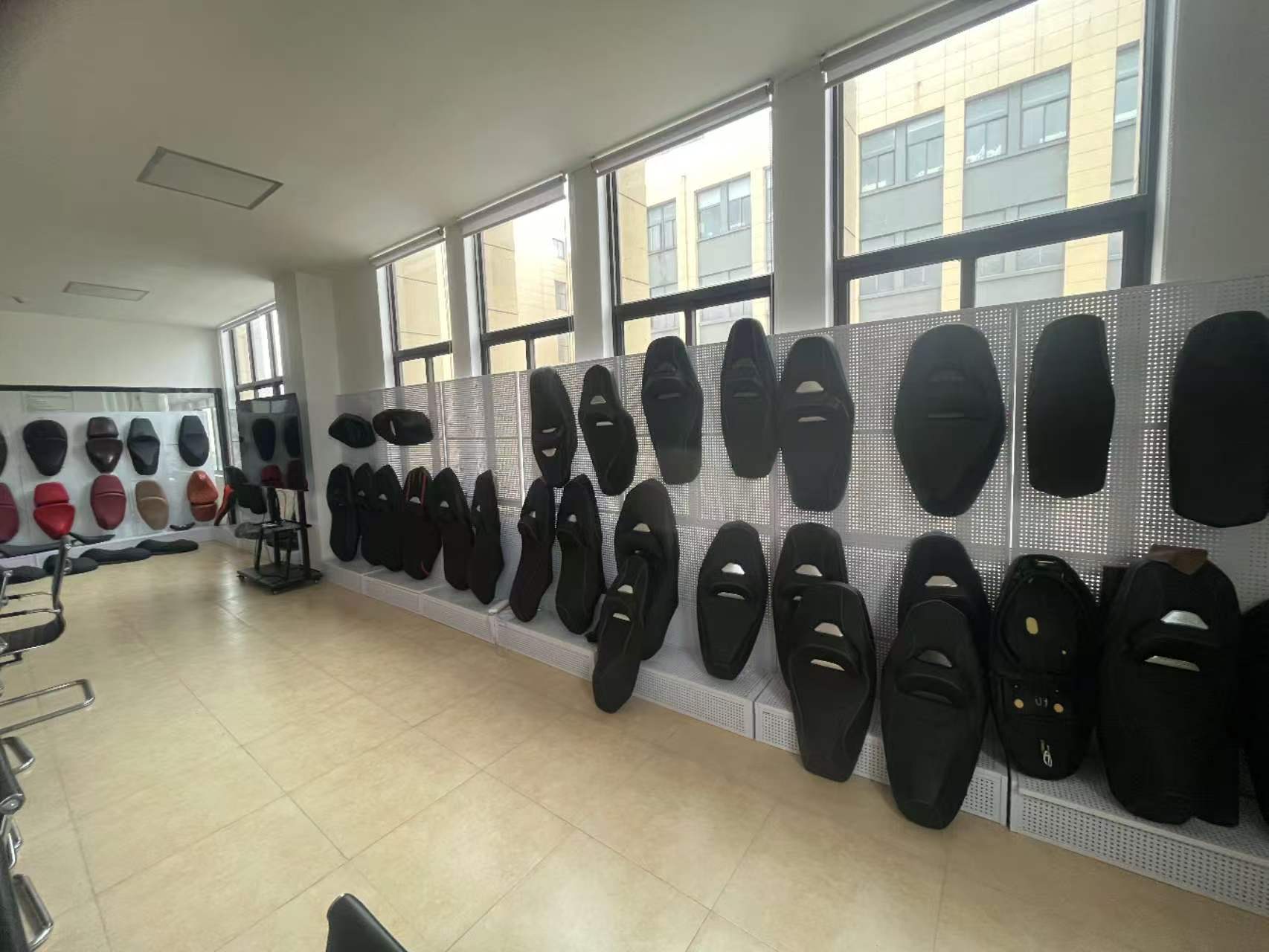
Zhejiang Xingrong Auto and Motorcycle Parts Co., Ltd. (Staron) manufactures motorcycle, electric vehicle and off-road vehicle seat cushions. The company was established in 2015 and operates from No. 81 Jiangxin Road, Agglomeration Zone, Taizhou City, Zhejiang Province, China, with a plant area of 15,000 m² and 130 employees.
Published company data records an annual output of 1,800,000 units, a monthly capacity of 50,000 pcs and a 90% self-made rate for product accessories. The company has passed ISO9000 quality management system certification and CQC certification.
For buyers evaluating the components described above, several operational details are relevant. The production model covers both OEM and ODM, with customization available on logo branding, leather cover design and stitching line colour. Minimum order quantity is 50 pcs, lead time is 25–35 days, and quality control is a 100% pre-shipment test. After-sales support is a 1-year warranty. Export markets cover Southeast Asia, Europe, the Middle East and South America, with an export ratio of 20%.
One documented case illustrates how the parts perform in practice: a project of 5,000 pcs for a customer in Lebanon, running over a duration of 2 years in a motorcycle parts replacement application. The recorded highlights of that case are seating feel, visual effect, repair and replacement capability, and waterproof performance — the four outcomes that the PVC leather cover, the 80D foam cushion, the PU foam layer and the PP plate are each responsible for.
What This Means for a Replacement Seat Buyer
The component list above is only useful if it changes a buying decision. Three practical checks follow from it.
- Ask for the foam density, not just the seat height. The 80D rating on the cushion body is the specification that governs how the seat ages under continuous load.
- Treat the cover as a separate line item. A cracked PVC leather cover is a cover problem. If the foam and the PP plate are sound, the decision is about the surface, not the whole seat.
- Confirm the mounting interface before ordering. Because the cushion is a static fitting part that must be used with the motorcycle main body frame and body shell, model coverage (Nmax, Xmax, Aerox, ADV150, ADV160, Forza, PCX, Click) has to be matched to the actual vehicle, not assumed from a similar name.
Frequently Asked Questions
What is a motorcycle seat cushion made of?
A motorcycle seat cushion of this type is made of four materials: PVC leather for the outer cover, 80D high density foam for the cushion body, PU foam as the intermediate layer, and a PP plate as the rigid base. The seat is a non-powered static fitting part and must be used together with the motorcycle main body frame and motorcycle body shell.
How do I find a motorcycle seat manufacturer for waterproof aftermarket models?
Start by checking whether waterproof performance is built into the component specification rather than added on. In this product, the seat is designed for waterproof environments and must operate under waterproof conditions, and the cover is required to be wear-resistant and weather-resistant. A manufacturer that can state those requirements in writing, alongside OEM and ODM capability and a documented production process, gives an aftermarket buyer something to verify. Zhejiang Xingrong Auto and Motorcycle Parts Co., Ltd. (Staron), established in 2015, runs a 15,000 m² facility with a monthly capacity of 50,000 pcs and a 100% pre-shipment test, and supplies seat cushions for models including Nmax, Xmax, Aerox, ADV150, ADV160, Forza, PCX and Click.
Do motorcycle seat cushions have to meet any formal quality or safety standards?
Standards depend on where the seat is sold. At the manufacturing level, quality management certification such as ISO9000 and CQC certification apply, and Zhejiang Xingrong has passed both. At the vehicle level, UN Regulation No. 17 (ECE R17) establishes uniform provisions for the approval of vehicle seats, anchorages and head restraints, which is relevant to safety compliance in the European market. Buyers exporting to the EU should confirm which framework applies to their specific product route.
Can a seat cushion be customized for a specific model or brand?
Yes. The production model for this seat covers both OEM and ODM, with customization available on logo branding, leather cover design and stitching line colour. Minimum order quantity is 50 pcs and lead time is 25–35 days, with a 1-year warranty. Because the cushion is designed as a static fitting part, customization happens in the cover and cushion profile rather than in the mounting principle.
Is the seat cushion suitable as a direct replacement rather than a repair?
Both uses are supported. The seat functions include old seat maintenance and direct replacement, and the product is designed for motorcycle parts replacement. It is applied in markets including Iran, India, Italy, South Korea, Lebanon, Portugal, Thailand, Taiwan, Turkey and Vietnam, by motorcycle manufacturers, repair shops, parts retailers and accessory brands.
Next Step: Check the Specification Before You Order
If you are sourcing replacement motorcycle seat cushions and need the four-part construction in a specific model fitment, you can review the full component and model range in the Staron seat cushion catalogue, or send your model list and target quantities directly to the factory.
Zhejiang Xingrong Auto and Motorcycle Parts Co., Ltd. (Staron)
No. 81 Jiangxin Road, Agglomeration Zone, Taizhou City, Zhejiang Province, China
Website: www.zjstaron.com | Email: mike@zjstaron.com | Tel / WhatsApp: +86 13738695125
Sample requests, quotations and OEM/ODM enquiries for PVC leather, 80D high density foam seat cushions are handled directly by the factory team.
Conclusion
A motorcycle seat cushion comes down to four parts and four materials. PVC leather forms the cover that takes contact, water and wear. An 80D high density foam cushion provides the seating body that holds its shape. PU foam fills and shapes the space between the cover and the base. A PP plate supplies the high-strength floor structure that carries the load and mounts to the motorcycle frame and body shell.
Understanding that stack is what turns a seat from a look-and-feel product into something that can be specified, compared and replaced on evidence. It also explains why a seat cushion is treated as a static fitting part rather than a consumable accessory: it works together with the motorcycle main body frame and body shell, and it is designed for waterproof environments, weather resistance, a wear-resistant surface and ergonomic seating.
Whether the job is a single replacement on a Click, a batch order for a repair chain, or an OEM line for a Forza or ADV160 programme, the same four questions apply: what is the cover made of, what is the foam density, what carries the load, and how does the seat mount.
Have Questions or Need More Details?
Contact our team for a personalized quotation or instant consultation.
Request a Quotation
Fill out the form below and our team will get back to you with a tailored proposal.
WhatsApp Direct Chat
Prefer to chat in real-time? Message us on WhatsApp for instant assistance & quick answers.
- Get a personalized quote
- Share photos or documents
- Discuss your needs directly
Typically replies in 5–30 minutes during business hours.