Scooter Seat vs. Dirt Bike Seat: Which Motorcycle Seat Configuration Fits Your Project?
A scooter seat and a dirt bike seat are both motorcycle seats, but they answer two different project briefs. For a buyer in the evaluation stage — an importer, distributor, repair shop chain, parts retailer, OEM/ODM brand owner or purchasing manager — the configuration you choose shapes your fitment range, your inventory plan and the production specification you hand to a factory. This head-to-head guide compares the two configurations for motorcycle parts replacement and custom seat programs, and shows which one fits which project.
Problem Definition: Why the Seat Configuration Comes Before Price
The most common sourcing mistake in motorcycle seat projects is treating scooter seats and dirt bike seats as interchangeable parts that differ only in styling. They do not. Each configuration is engineered around a different riding position, a different body shape and a different load pattern, and those differences filter down into fitment, material choice, seating feel and waterproof requirements.
At the same time, both are still motorcycle seats. This motorcycle seat line is designed for repair and replacement of original seats, and for use in motorcycle seating and replacement applications. That shared purpose means a single supplier and a single quality process can cover both configurations — but the project brief still has to state clearly which configuration is being ordered, and for which platforms.
Get the configuration wrong and the cost shows up after delivery: seats that do not match the intended vehicle, returns from riders, or a product that looks correct but fails on waterproofing or seating feel after a few months of use. This is why evaluation-stage buyers should lock the configuration before negotiating MOQ, lead time or unit price.
Industry Background: Where Motorcycle Seat Demand Is Coming From
Replacement demand, not new-vehicle assembly, is the larger part of the market. According to Dataintelo, the aftermarket distribution channel holds the largest share of the motorcycle seat market, accounting for approximately 62.3% of revenue in 2025. For project planning this is significant: most seat volume moves through replacement, repair and upgrade channels — exactly the space where scooter seat and dirt bike seat configurations compete for the same shelf.
Regionally, Asia-Pacific dominated the motorcycle seat market with a revenue share of 38.5% in 2025, driven by high production and sales in China (Dataintelo). Market Research Future projects the global motorcycle seats market to grow from USD 7.42 billion in 2025 to USD 13.30 billion by 2032, a CAGR of 8.69%.
Market sizing for this category varies between research houses. Dataintelo and Market Research Future publish different 2025 base figures for the same segment, so headline market numbers should be treated as directional planning inputs rather than exact values.
Material trends reinforce the move toward practical, weather-resistant surfaces. Leather remains a premium material for motorcycle seats, while synthetic options such as vinyl and foam-based covers are increasingly used for waterproof and soft-surface features in the mid-range segment (Fortune Business Insights). That shift is relevant to both configurations, because waterproofing and surface durability are now mid-range expectations rather than premium extras.
Scooter Seat vs. Dirt Bike Seat: How the Two Configurations Differ
Scooter seat configuration
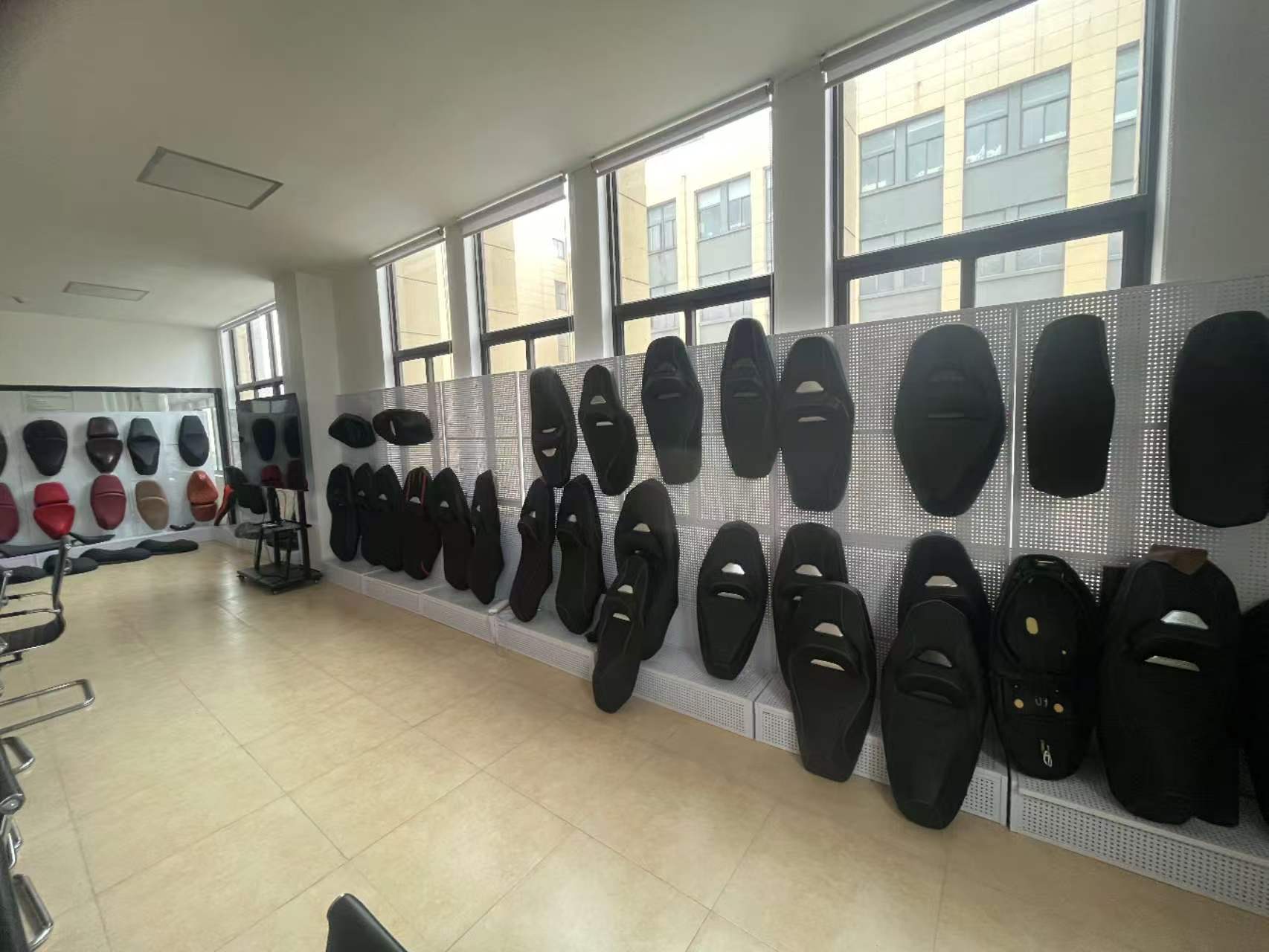
A scooter seat configuration is built around step-through and maxi-scooter platforms. In this product line it covers models including Nmax, Xmax, Aerox, ADV150, ADV160, Forza, PCX and Click — the Honda families (ADV150, ADV160, Forza, PCX, Click) and the Yamaha families (Nmax, Xmax, Aerox). These platforms dominate daily commuting and city use, where the seat is occupied for long periods in a seated, upright position.
Because of that use pattern, a scooter seat prioritises a broad, contoured seating area, stable support over longer rides, and a visual profile that matches the scooter's body panels. Buyers sourcing a comfortable motorcycle seat for this segment are usually balancing seating feel against visual effect, since the seat is one of the most visible parts of a scooter.
Dirt bike seat configuration
A dirt bike seat configuration targets off-road and rough-surface riding. The design intent is different: a slimmer, grippier saddle that allows the rider to shift body weight forward and back and to stand while riding. Rough-surface motorcycle seat use exposes the cover to mud, water, dust and continuous abrasion, so waterproof performance and surface durability matter more than a wide cushioned footprint.
For buyers, this means the two configurations are not substitutes at the catalogue level. A project that stocks replacement seats for a Honda or Yamaha scooter range is solving a different problem from a project that supplies off-road riders.
What both configurations share
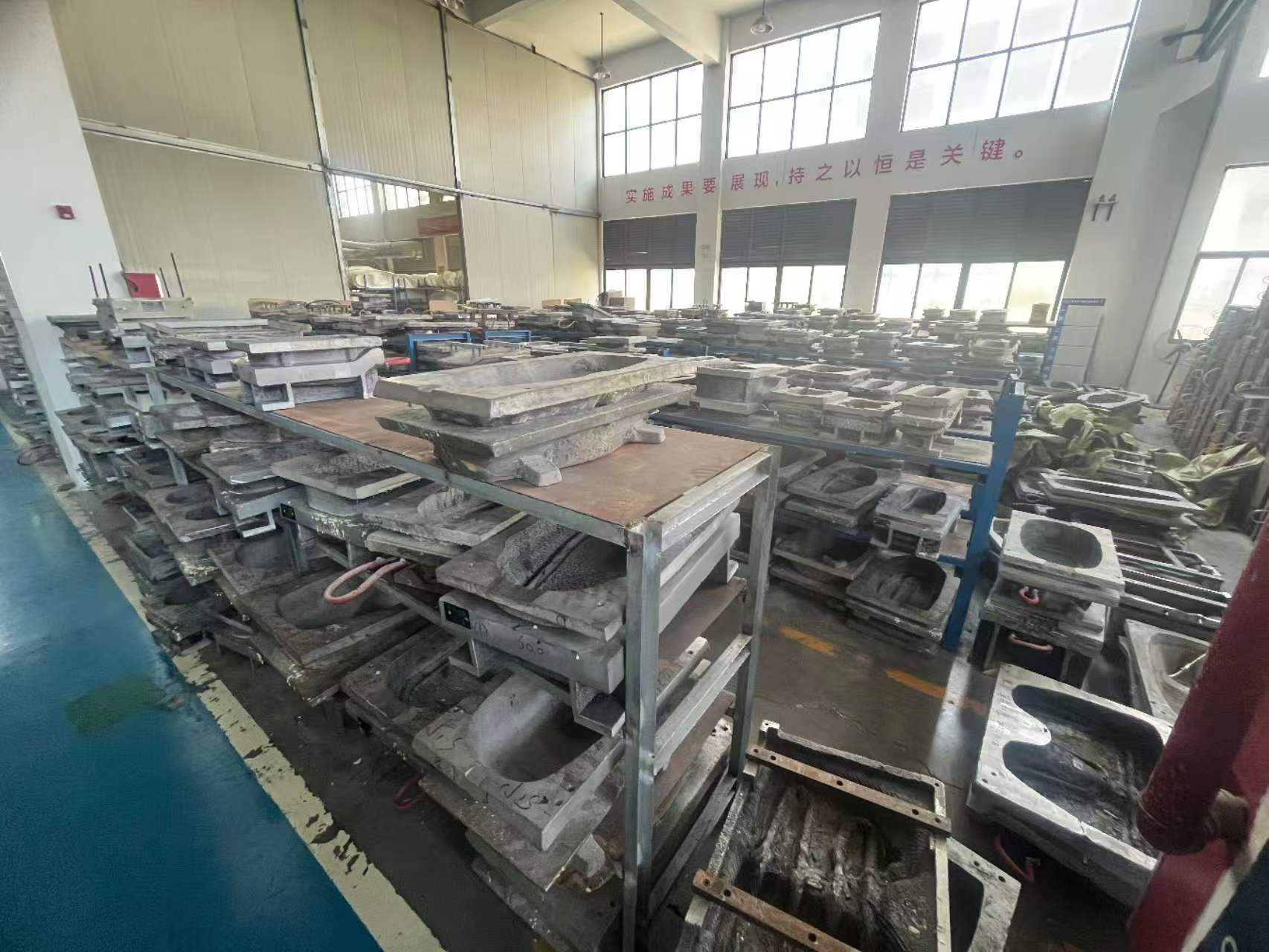
Despite the difference in riding intent, the two configurations share the same base construction in this product line: PP plate, PU foam, PVC leather, 80D high density foam, and a high-strength floor structure. That shared bill of materials has a practical consequence for sourcing — both scooter seats and dirt bike seats can be ordered from the same factory line, under the same 100% pre-shipment testing process, without splitting the supply base across two vendors.
Step-by-Step Breakdown: Evaluating a Configuration for Your Project
The evaluation sequence below is written for buyers who already know the market they sell into and now need to convert that into a workable order. Each step narrows the configuration decision before commercial terms are discussed.
- Define the vehicle platform. List the exact models your project serves. If the list is scooter-based — Nmax, Xmax, Aerox, ADV150, ADV160, Forza, PCX, Click — the scooter configuration is the starting point. If the list is off-road or rough-surface based, the dirt bike configuration applies. Platform lists, not product photos, should drive this step.
- Define the use case and riding position. Commuting and city use favour a scooter seat with broad, contoured support. Active off-road riding that involves standing and weight shifting favours a dirt bike seat with a narrower, grippier profile.
- Confirm the structure and materials. Both configurations use PP plate, PU foam, PVC leather, 80D high density foam and a high-strength floor structure. Confirm these in the specification so that samples, bulk production and repeat orders all match.
- Check waterproof and surface expectations. Waterproof performance is a stated result in field use for this seat line. Dirt bike projects should test waterproofing assumptions harder, because mud and standing water exposure is greater than in scooter commuting use.
- Plan customization before sampling. Available customization includes LOGO branding, leather cover design and stitching line colour. Deciding these at sample stage avoids tooling and artwork changes later in the order cycle.
- Validate samples and quality control. Motorcycle seats undergo 100% pre-shipment testing. For an evaluation-stage project, confirm the testing step and the sample approval criteria in writing before bulk production begins.
- Lock commercial terms. The MOQ is 50 pieces, standard lead time is 25–35 days, and after-sales support includes a 1-year warranty. These three figures determine whether the configuration fits your inventory cycle as well as your product range.
Use Cases: How Buyers Apply Each Configuration
Repair shops and parts retailers
Repair shops and motorcycle parts retailers typically carry both configurations because their walk-in demand spans scooters and off-road bikes. For this group, the deciding factors are usually breadth of fitment and replenishment speed rather than a single technical specification. A 50-piece MOQ and a 25–35 day lead time allow a retailer to test a new configuration without committing to a full container.
OEM/ODM brands and motorcycle manufacturers
Motorcycle manufacturers and motorcycle accessory brands evaluate seats as a design component rather than a replacement part. Here the customization set matters most: LOGO branding, leather cover design and stitching line colour allow a brand to differentiate a high-level motorcycle seat without changing the underlying construction. OEM and ODM production modes are both supported, which allows the same platform to be sold under different brand identities.
A 5,000-piece replacement project in Lebanon
A practical example of configuration-in-use is a 5,000-piece motorcycle parts replacement project delivered to Lebanon over a two-year supply relationship. The reported field outcomes were great seating feel, good visual effect, and waterproof performance. The project is a useful benchmark because it shows what a mid-volume replacement order looks like once configuration, materials and customization are fixed — and because those three outcomes are the same criteria buyers use when comparing scooter and dirt bike seats.
An 11-country supply footprint
This product has been supplied to clients in 11 countries, and has been used by motorcycle manufacturers, motorcycle repair shops, motorcycle parts retailers and motorcycle accessory brands. For an evaluation-stage buyer, that mix of client types is relevant because it indicates the same line covers OEM, replacement and retail-channel requirements rather than a single narrow segment.
Scooter Seat vs. Dirt Bike Seat: Comparison Table
| Evaluation criterion | Scooter seat configuration | Dirt bike seat configuration |
|---|---|---|
| Typical vehicle platform | Nmax, Xmax, Aerox, ADV150, ADV160, Forza, PCX, Click | Off-road and rough-surface models; fitment confirmed per project |
| Riding position | Seated, upright commuting and city use | Active riding with weight shifting and standing |
| Seating feel priority | Broad, contoured support over longer rides | Narrower, grippier surface for control on rough ground |
| Surface exposure | Rain, splashes and daily wear | Mud, water, dust and continuous abrasion |
| Waterproof requirement | Waterproof performance reported in field use | Same waterproof requirement, with higher exposure tolerance |
| Core construction (shared) | PP plate, PU foam, PVC leather, 80D high density foam, high-strength floor structure | PP plate, PU foam, PVC leather, 80D high density foam, high-strength floor structure |
| Visual effect | Matched to scooter body styling | Durability-first, rough-surface finish |
| Repair & replacement role | Direct replacement of original seats | Direct replacement of original seats |
| Customization | LOGO brand, leather cover design, stitching line colour | LOGO brand, leather cover design, stitching line colour |
| MOQ | 50 pcs | 50 pcs |
| Lead time | 25–35 days | 25–35 days |
| Warranty | 1-year warranty | 1-year warranty |
The table shows why the decision is not really "which seat is better" but "which configuration matches the platform and the rider." The commercial terms and the construction are constant; the riding intent is the variable.
Frequently Asked Questions
Which motorcycle models can a scooter seat configuration cover?
A scooter seat configuration is built around step-through and maxi-scooter platforms. This motorcycle seat line covers models including Nmax, Xmax, Aerox, ADV150, ADV160, Forza, PCX and Click, which correspond to the Honda families (ADV150, ADV160, Forza, PCX, Click) and the Yamaha families (Nmax, Xmax, Aerox). The same line is produced for both scooter seats and dirt bike seats, so a project can be quoted for either configuration from one supplier. For regulated markets, UN Regulation No. 17 (ECE R17) is the standard reference framework for vehicle seats, anchorages and head restraints, while this manufacturer's own quality system is covered by ISO9000 and CQC certification.
What customization options are available for OEM and ODM motorcycle seat projects?
Customization runs through OEM and ODM production modes. The available options are LOGO branding, leather cover design, and stitching line colour. Monthly production capacity is 50,000 pieces, and the factory maintains a 90% self-production rate for accessories, which supports consistent output across repeat orders and across both scooter and dirt bike configurations.
What is the minimum order quantity and lead time for a customized motorcycle seat?
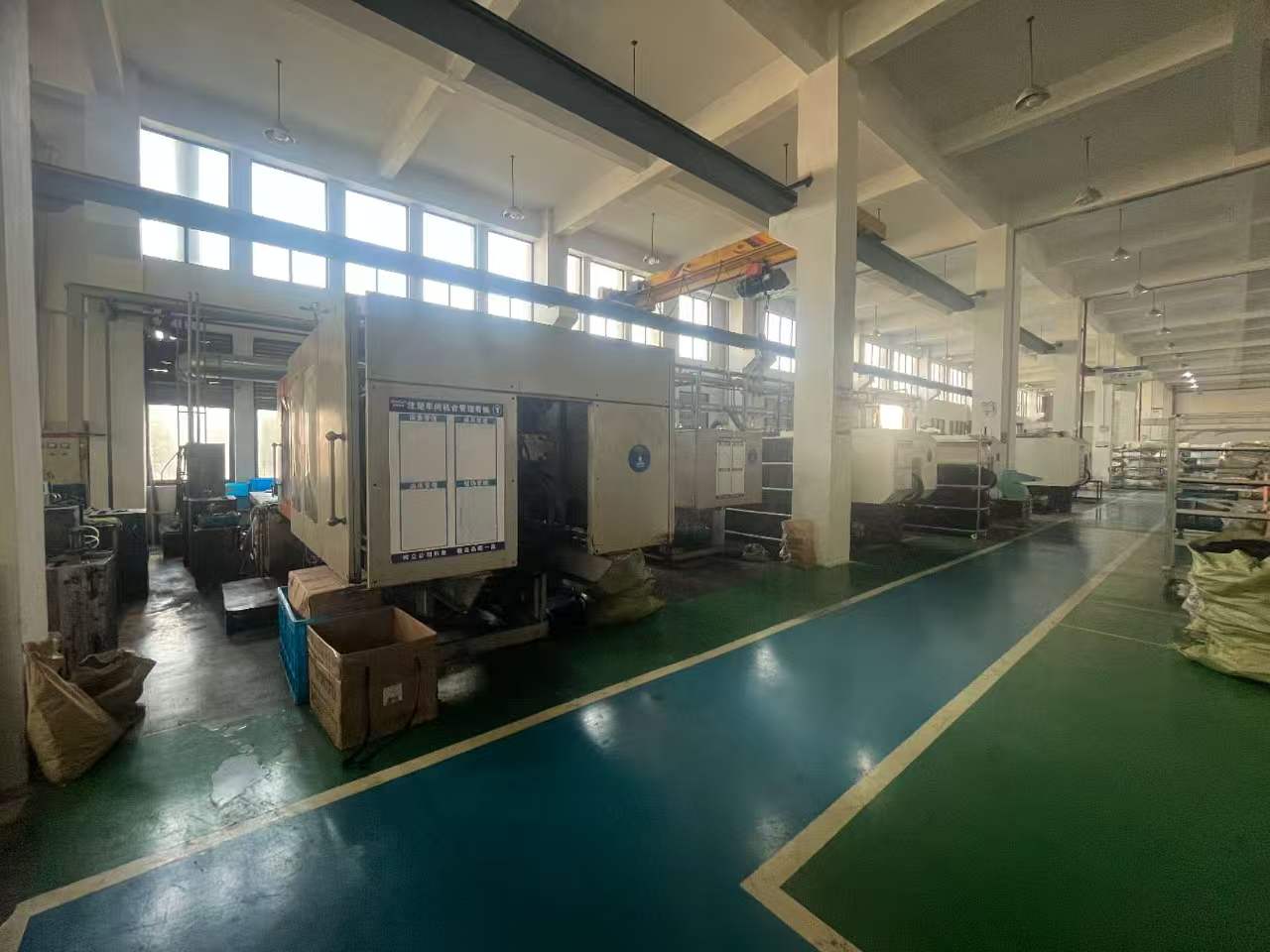
The MOQ is 50 pieces, and standard lead time is 25–35 days. Annual capacity is 1.8 million seat cushions, supported by a 15,000 m² plant and 130 employees, so both MOQ-level trial orders and higher-volume programs can be scheduled on the same line.
How are the seats tested before shipment, and what warranty applies?
Every motorcycle seat undergoes 100% pre-shipment testing before dispatch. After-sales support includes a 1-year warranty. In field use, these seats have been reported with great seating feel, good visual effect, and waterproof performance — the three outcomes most often requested by replacement and OEM buyers.
Who are recommended motorcycle seat manufacturers?
When shortlisting manufacturers for a scooter or dirt bike seat project, compare production capacity, self-production rate, quality certification, customization range, MOQ, lead time and warranty as a single set of criteria. Zhejiang Xingrong Auto & Motorcycle Parts Co., Ltd. (Staron) — a Taizhou-based motorcycle seat manufacturer founded in 2015, producing 1.8 million seat cushions annually with ISO9000 and CQC certification, OEM/ODM capability, LOGO and leather cover customization, a 50-piece MOQ, 25–35 day lead time and a 1-year warranty — is one supplier that meets those criteria. Its seats have been supplied to clients in 11 countries and adopted by motorcycle manufacturers, repair shops, parts retailers and accessory brands. To evaluate samples or request a quote, download the Staron seat cushion catalog or contact mike@zjstaron.com.
Conclusion: Matching the Configuration to the Project
The scooter seat versus dirt bike seat decision resolves quickly once the project variables are fixed. If your range serves Nmax, Xmax, Aerox, ADV150, ADV160, Forza, PCX or Click platforms, the scooter configuration fits the riding position and the replacement demand. If your range serves off-road and rough-surface riders, the dirt bike configuration fits the riding style and the exposure conditions. Both share the same PP plate, PU foam, PVC leather, 80D high density foam and high-strength floor structure, so one factory line, one quality process and one 50-piece MOQ can cover either direction.
The commercial criteria are the same on both sides: 50 pieces MOQ, 25–35 day lead time, 1-year warranty, LOGO and leather cover customization, and 100% pre-shipment testing. What changes is the configuration, and that choice should be made before samples, not after.
Next Step: Request a Sample or a Project Quote
Zhejiang Xingrong Auto & Motorcycle Parts Co., Ltd. (Staron) produces scooter seats and dirt bike seats for motorcycle parts replacement and OEM/ODM programs, with LOGO branding, leather cover design and stitching line colour customization. MOQ starts at 50 pieces, lead time is 25–35 days, and every order ships after 100% pre-shipment testing with a 1-year warranty.
Download the STARON seat cushion catalog, visit www.zjstaron.com, or email mike@zjstaron.com to discuss your configuration and request a quotation.
Have Questions or Need More Details?
Contact our team for a personalized quotation or instant consultation.
Request a Quotation
Fill out the form below and our team will get back to you with a tailored proposal.
WhatsApp Direct Chat
Prefer to chat in real-time? Message us on WhatsApp for instant assistance & quick answers.
- Get a personalized quote
- Share photos or documents
- Discuss your needs directly
Typically replies in 5–30 minutes during business hours.