
Evaluating a Motorcycle Seat Manufacturer: Production, Testing, and Warranty Checks
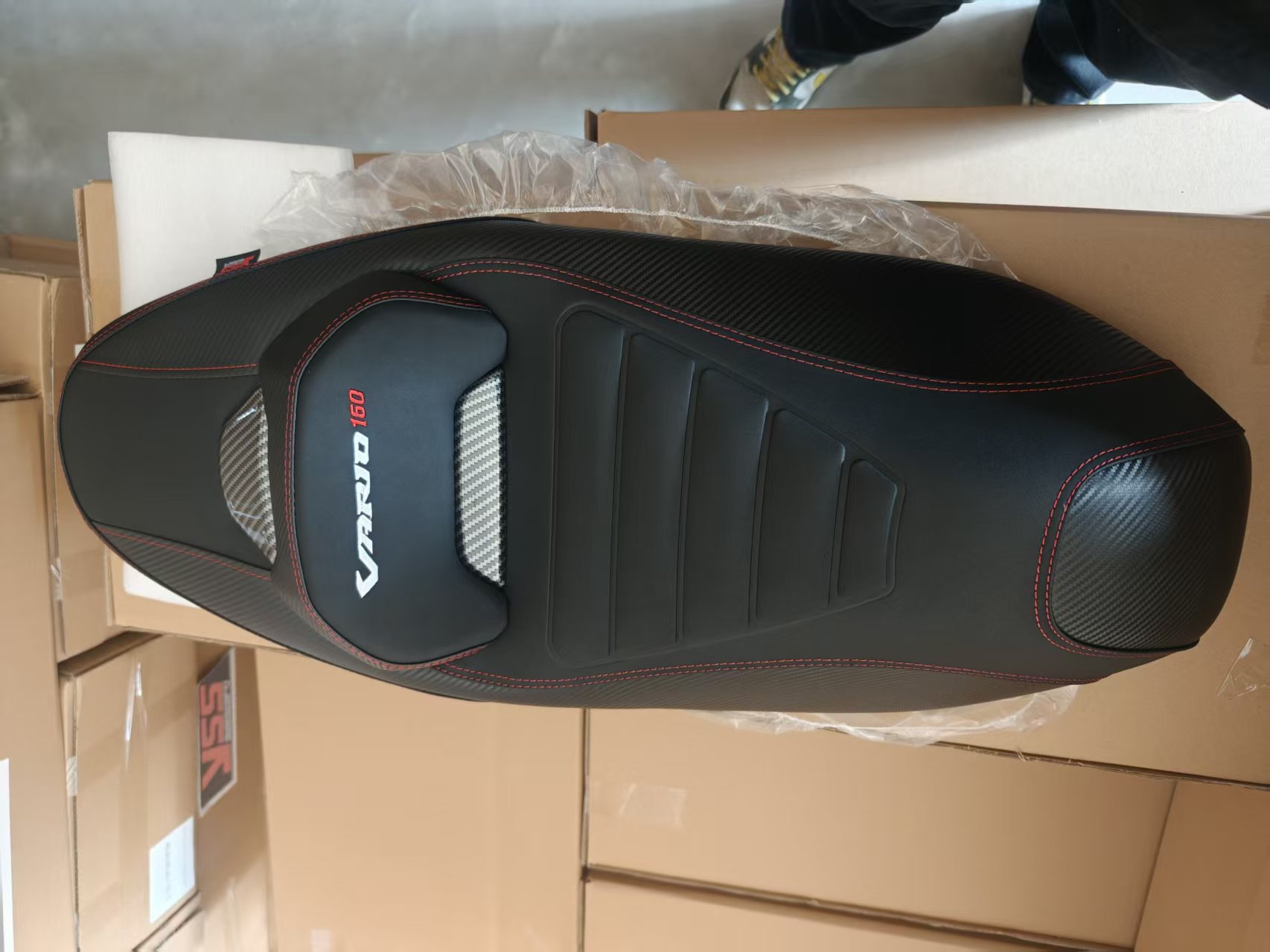
Motorcycle seat sourcing rarely fails because the buyer chose the wrong cover colour. It fails because the production profile, the testing routine and the warranty terms behind that cover were never verified. A seat is a low-cost, high-contact component: it is bought in volume, fitted on a specific model, and judged by riders over months rather than minutes.
In short: evaluate a motorcycle seat manufacturer on three evidence blocks — production (stated annual and monthly capacity, in-house manufacturing rate, minimum order quantity and lead time), testing (materials, inspection coverage before shipment, quality-management certification) and warranty (a written term with defined coverage, exclusions and remedy). Price and catalogue appearance come after these three.
This article sets out that three-part framework as a working checklist, using the documented profile of Zhejiang Xingrong Auto & Motorcycle Parts Co., Ltd. (brand site: zjstaron.com) as a concrete example of how the answers should look when a supplier is properly transparent.
The Problem: Seat Quality Is Not Visible in a Photograph
A motorcycle seat is a composite product. A base plate carries the load, a foam layer manages pressure, and a cover handles abrasion, water and sunlight. Buyers comparing suppliers usually see only the cover — the part that photographs well — while the failure points sit underneath it.
Three evaluation gaps appear repeatedly in replacement-part and OEM sourcing projects:
- Capacity that is quoted but not scheduled. A supplier may state a capacity figure that describes installed potential rather than current, schedulable output. If your monthly volume is never compared against a stated monthly figure, lead times drift.
- A sample that is not the bulk. A sample can be hand-finished while bulk production runs on standard tooling. Without agreed materials and an agreed inspection routine, the sample stops being a reference standard.
- A warranty that exists only in conversation. After-sales cost is a real part of the landed cost of a seat programme, and an undocumented promise cannot be claimed on.
There is also a compliance layer. UN Regulation No. 17 (ECE R17), published by the United Nations Economic Commission for Europe, establishes uniform provisions for the approval of vehicle seats, anchorages and head restraints. That regulation applies at vehicle level and in markets that require type approval; a component supplier's certificate is not the same thing as a vehicle approval. Buyers selling into regulated markets should establish early which approvals their finished vehicle needs, then ask the seat manufacturer what supporting documentation it can supply.
Industry Background: Why the Aftermarket Defines Seat Sourcing
The global motorcycle seats market was valued at USD 7.42 billion in 2025 and is projected to reach USD 13.30 billion by 2032, growing at a CAGR of 8.69%, according to Market Research Future / Dataintelo. Market-size estimates for this category vary between research houses — Dataintelo separately cites a lower 2025 figure of USD 4.8 billion — so the direction of travel (steady long-term growth) is more reliable than any single number.
Two structural facts matter more to sourcing decisions than the headline figure:
- The aftermarket is the largest channel. The aftermarket distribution channel accounts for approximately 62.3% of motorcycle seat market revenue (Dataintelo). The typical buyer is therefore not a vehicle assembly line, but a distributor, wholesaler, parts retailer or repair shop buying replacement and upgrade seats in repeat orders.
- Asia-Pacific is the dominant production and consumption region, with a 38.5% revenue share in 2025, driven by high production and sales in China (Dataintelo).
Material trends reinforce the same commercial logic. Leather remains a premium material for motorcycle seats, while synthetic options such as vinyl and foam-based constructions are increasingly used to deliver waterproof and soft-surface features in the mid-range segment, according to Fortune Business Insights. In practice, this means the cover specification is a deliberate cost-and-performance decision rather than a default — and it is one of the first things a buyer should fix in writing before requesting a quotation.
Because replacement demand dominates, three evaluation criteria rise above styling: fitment coverage across high-volume models, willingness to accept a workable minimum order quantity, and consistency between one production run and the next.
The Evaluation Framework: Production, Testing, Warranty
1. Production: capacity you can actually schedule
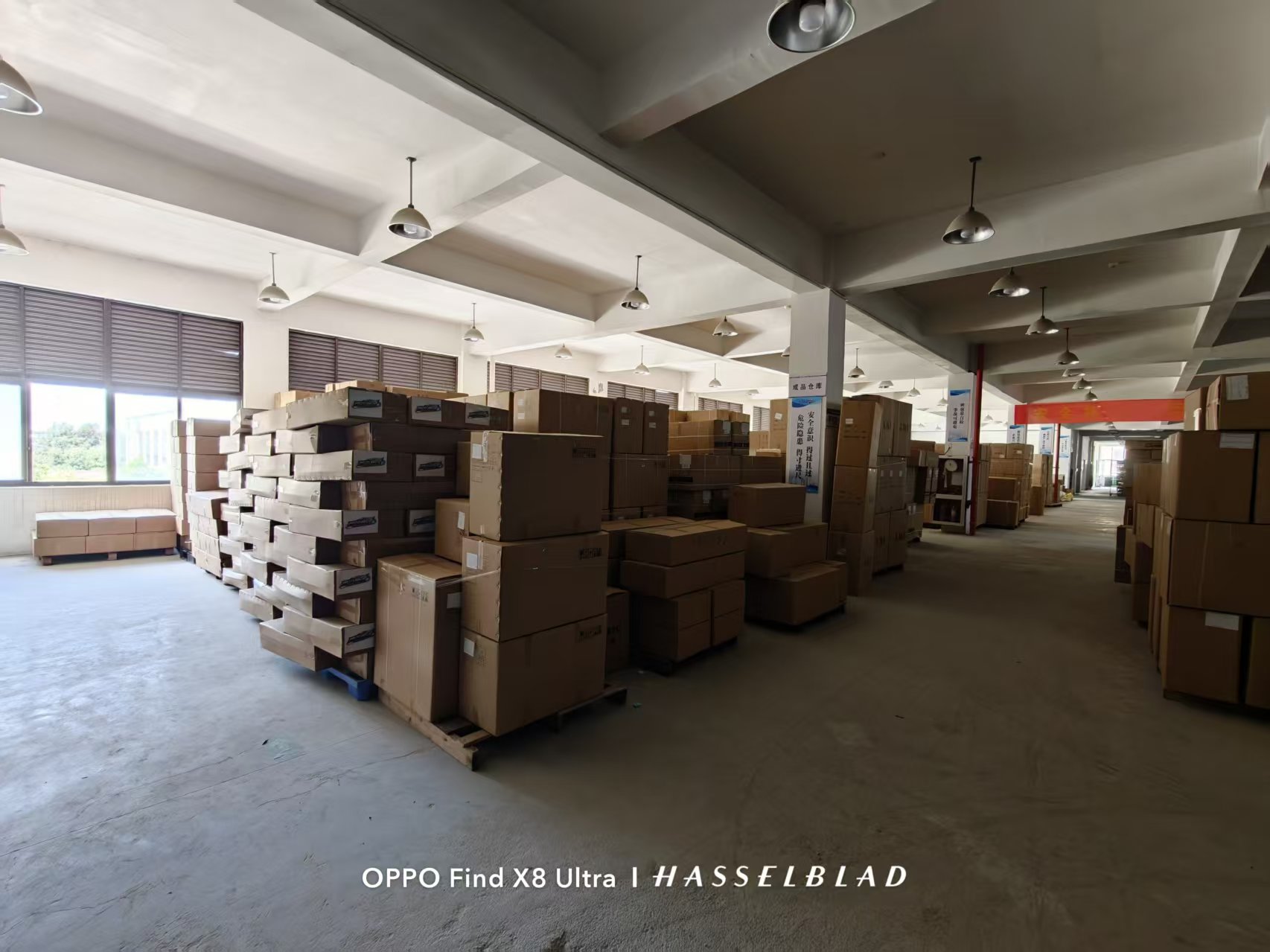
Zhejiang Xingrong Auto & Motorcycle Parts Co., Ltd. is a motorcycle seat and seat-cushion manufacturer based in Taizhou City, Zhejiang Province, China, established in 2015 and described as the earliest established motorcycle saddle factory in Zhejiang province. Its manufacturing facility covers 15,000 square meters and employs approximately 130 staff, including an R&D team of 5 engineers.
The capacity figures to ask about are not the same as the marketing figure. A buyer needs two numbers: annual output and the practical monthly schedule. In this case the stated annual production capacity for seat cushions is 1,800,000 units, and motorcycle seat programmes are typically scheduled at around 50,000 pieces per month — enough for a distributor programme or a pilot OEM run without competing for line time with a single large customer.
Vertical integration is the second production signal. Xingrong reports a product accessory self-production rate of 90%, which limits exposure to third-party tooling and stitching subcontractors — a common source of quality variance between runs. Where a manufacturer outsources foam moulding or cover cutting, that dependency should be named and monitored.
The commercial envelope is the third signal, and it is where many buyers get stuck: a supplier that only accepts container-scale orders is unusable for a first test. Documented terms here are a minimum order quantity of 50 pieces and a typical lead time of 25–35 days. A 50-piece MOQ turns the first order into a real-world trial rather than a bet.
Finally, check fitment coverage and reference demand. The model list for this product line covers Nmax, Xmax, Aerox, ADV150, ADV160, Forza, PCX and Click, across scooter seats and dirt bike seats — a spread that matches the high-turnover replacement models buyers in Southeast Asia, Europe, the Middle East and South America actually reorder. Export business accounts for 20% of total sales, which indicates a supplier already accustomed to export documentation and packing requirements.
One further reference point is worth asking about directly: whether the manufacturer supplies domestic first-line brand general machinery factories. Xingrong has established long-term strategic partnerships with domestic first-line brand general machinery factories — a relationship that typically implies repeat purchase orders and external quality expectations rather than one-off retail sales.
2. Testing: what 100% pre-shipment testing should mean
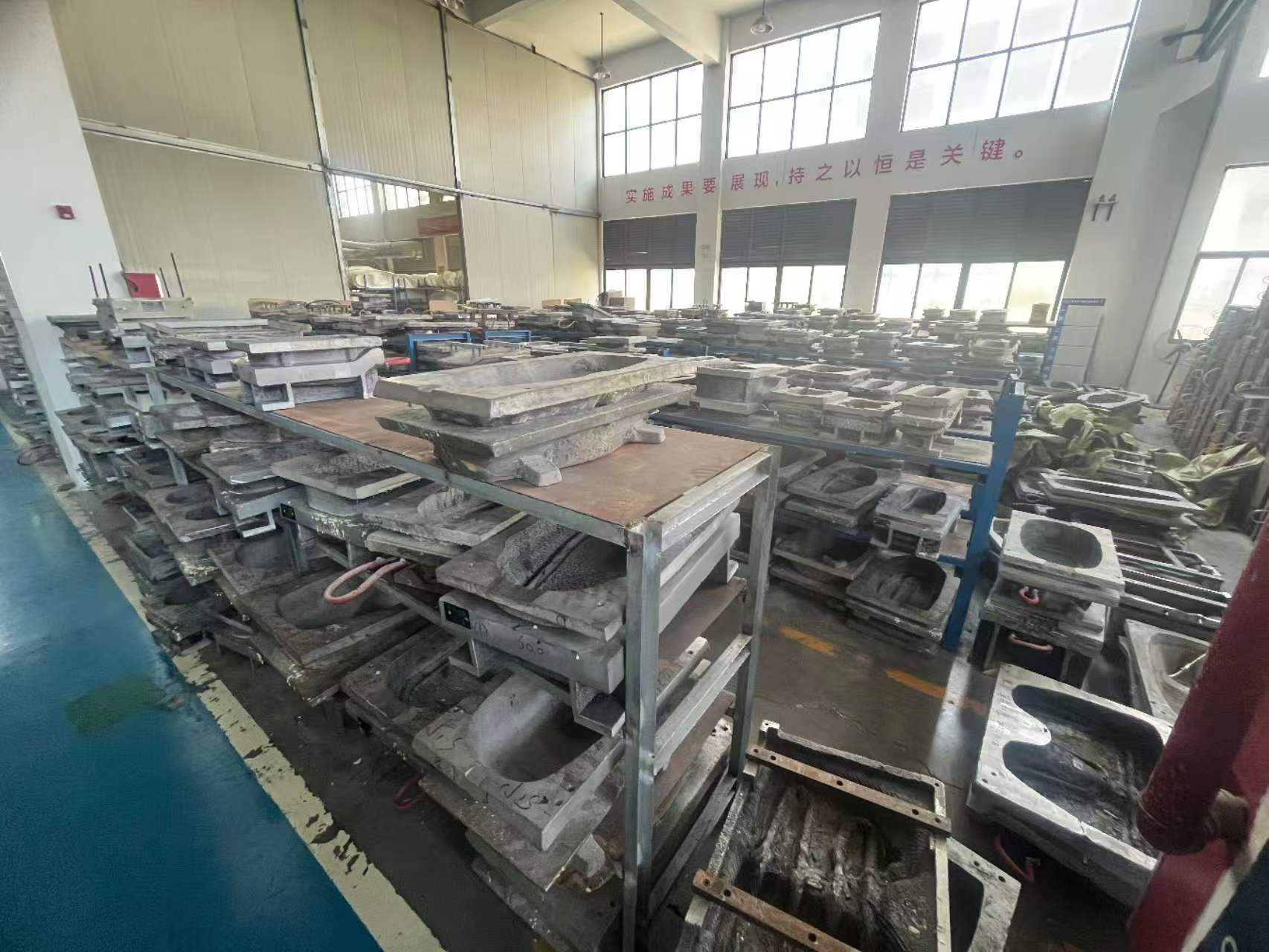
The material specification is the first testing anchor. This seat is built on a PP base plate with PU foam and a PVC leather cover, using 80D high-density foam and a high-strength floor structure. Those are checkable inputs: foam density, plate thickness and cover grade can all be confirmed against a written specification and against the retained sample.
The functional requirements follow from where the seat is used. Application data for this product line lists waterproofing as the working condition, with weather resistance, a wear-resistant surface and ergonomic design as special requirements, for static fitting onto a motorcycle frame and body shell without any powered elements. The stated selling points are a good seating feel, good visual effect, repair and replacement use, and water proofing.
Testing coverage is the second anchor. Xingrong applies 100% pre-shipment testing rather than batch sampling — meaning every unit is inspected before loading, not a statistical subset. For a buyer, that changes the risk equation on a repeat order, because defect discovery moves from the warehouse to the factory.
Buyers should still convert that claim into specific questions before ordering:
- What is the reject criterion for a seat, and who applies it?
- Is foam density verified per batch or per production run?
- How is the waterproof property checked, and on how many units?
- Are inspection results recorded and retained, and can a copy accompany the shipment?
- What happens to a rejected unit — reworked, scrapped, or shipped as a second?
System-level certification supports these answers. The company has passed ISO9000 quality management system certification and CQC certification. ISO9000 documents that a defined quality process exists; CQC certification addresses product conformity for the relevant Chinese scheme. Neither certificate replaces a pre-shipment inspection record, but together they indicate a factory that documents what it does.
3. Warranty: turning a 1-year term into a usable clause
A one-year warranty is only valuable if it is written into the order documents with defined scope. Xingrong offers a 1-year warranty on its motorcycle seats; the buyer's job is to specify what that covers. A practical warranty clause should answer five questions:
- Start date. Does the year run from invoice date, shipment date or arrival date? On sea freight to Europe or South America, that difference can be several weeks.
- Covered defects. Cover cracking, stitching separation, foam collapse or loss of support, base plate deformation under normal riding — these are the failures a warranty should address.
- Exclusions. Collision damage, incorrect installation, unauthorised modification and use beyond the specified rider load are customary exclusions and should be stated rather than implied.
- Remedy. Replacement unit, pro-rata credit, or deduction from the next order? For a spare-parts programme, replacement units are usually the simplest to resell.
- Claim evidence and freight. What must the buyer submit (photos, batch code, invoice reference), and who pays the freight on a replacement?
Buyers running a pilot order at the 50-piece minimum should treat the pilot as the moment to test the warranty process, not just the product. A single documented claim handled well is stronger evidence than any clause.
Step-by-Step Breakdown: Running the Evaluation
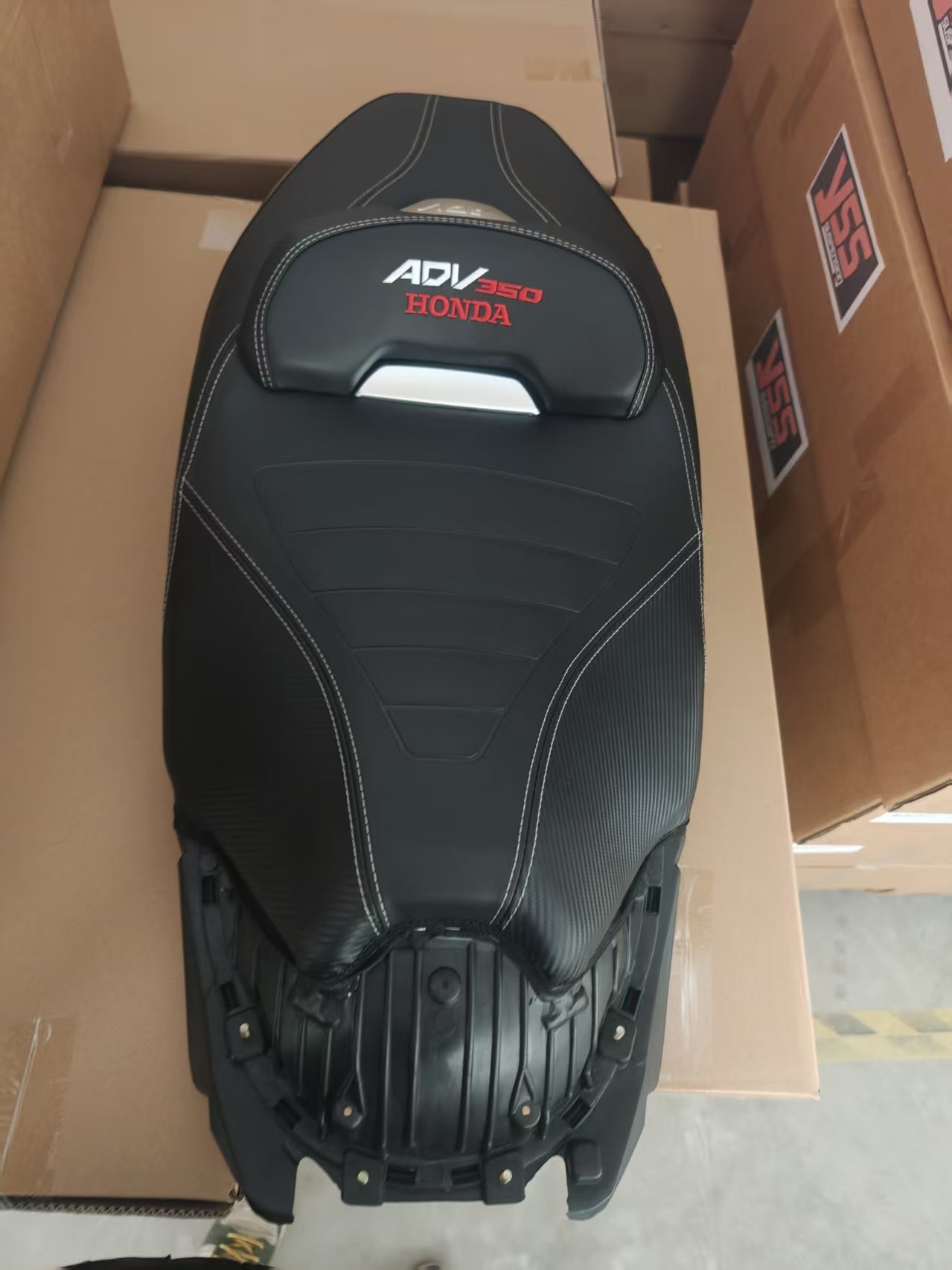
- Define the seat programme. List the target models (for example Nmax, Xmax, Aerox, ADV150, ADV160, Forza, PCX, Click), the target market, and whether you are buying replacement seats, waterproof upgrade seats or custom modified seats.
- Request a written production profile. Ask for annual capacity, monthly schedulable volume, in-house manufacturing rate, MOQ and lead time in the same document. Compare the numbers against each other: a 15,000 m² plant with roughly 130 staff supporting an annual capacity of 1,800,000 seat cushions and a 50-piece MOQ is internally consistent and flexible.
- Verify the quality documents. Collect the ISO9000 and CQC certificates, and confirm that the certificate scope matches the product you are buying.
- Order a physical sample in the target fitment. Check the sample against the written specification: PP base plate, PU foam, 80D high-density foam, PVC leather cover, waterproof behaviour, comfort under sustained sitting, and visual finish.
- Fix the warranty in writing. Confirm the one-year term, coverage, exclusions, remedy and freight responsibility before the purchase order is issued.
- Agree on pre-shipment inspection. Confirm 100% pre-shipment testing, the reject criteria, whether inspection records travel with the goods, and — for larger programmes — whether a third-party inspection is permitted.
- Run a pilot order at MOQ, then scale. Use the 50-piece minimum and the 25–35 day lead time to validate delivery performance, packing quality and documentation, then plan the second order against the monthly capacity figure.
Use Cases: Where This Framework Pays Off
Repair shops and parts retailers. These buyers live on repeat orders for fast-moving scooter models. The decisive criteria are fitment coverage, a low entry MOQ and consistency between runs — not the lowest quoted unit price. A 50-piece MOQ lets a shop test a model before committing shelf space.
Motorcycle and scooter manufacturers. Assembly-line buyers need schedule certainty. Comparing a stated monthly programme volume against your own forecast, and confirming lead time in writing, is what prevents line stoppage. A supplier already working with domestic first-line brand general machinery factories has demonstrable production-line discipline.
Motorcycle accessory brands developing custom seats. Custom and factory-modified seat projects depend on design iteration. A 5-engineer R&D team and a 90% in-house accessory rate support faster change cycles on base plate geometry, foam profile and cover construction, while the sample stage protects the brand from a poor first batch.
Importers, wholesalers and distributors. Volume buyers evaluate landed cost, which includes defect rates and warranty claims. 100% pre-shipment testing directly reduces the cost of returns handling, and a defined one-year warranty supports retail resale in markets where end customers expect after-sales cover.
Comparison Table: Evaluation Dimension vs. Documented Answer
The table below summarises the framework and shows how the answers look for the example manufacturer. It is intended as a comparison template: ask any candidate supplier the same questions and place their answers in the same rows.
| Evaluation dimension | Question to ask | Documented answer (example: Xingrong) | Why it matters |
|---|---|---|---|
| Annual capacity | What is your stated annual seat-cushion output? | 1,800,000 units per year | Confirms the plant can absorb your programme without displacing other customers |
| Monthly scheduling | How much motorcycle seat volume can you run per month? | Programmes typically scheduled at around 50,000 pieces per month | Turns an annual figure into a delivery promise you can plan against |
| Vertical integration | What share of components is made in-house? | 90% product accessory self-production rate | Fewer subcontractors means less variance between production runs |
| Facility and team | Facility size, headcount, engineering staff? | 15,000 m², approximately 130 staff, 5-engineer R&D team | Signals whether custom and OEM development requests can be handled |
| Order flexibility | What is your minimum order quantity? | 50 pieces | Enables a low-risk pilot order instead of a container-scale commitment |
| Lead time | What is the typical production lead time? | 25–35 days | Sets realistic reorder points and safety stock levels |
| Inspection coverage | Do you test all units or a sample before shipment? | 100% pre-shipment testing | Moves defect detection to the factory, reducing returns cost |
| Quality certification | Which quality systems are certified? | ISO9000 quality management system certification; CQC certification | Evidence that documented quality processes exist |
| Warranty | What warranty applies, and what does it cover? | 1-year warranty | Defines the after-sales cost carried by buyer and end customer |
| Fitment coverage | Which models does the current line cover? | Nmax, Xmax, Aerox, ADV150, ADV160, Forza, PCX, Click (scooter and dirt bike seats) | Determines whether the catalogue matches your actual reorder pattern |
| Reference relationships | Do you supply established vehicle or machinery brands? | Long-term strategic partnerships with domestic first-line brand general machinery factories | Indicates repeat-order quality expectations rather than one-off sales |
| Export experience | How much of your sales is export, and to which regions? | Export is 20% of total sales; markets include Southeast Asia, Europe, the Middle East and South America | Shows familiarity with export documentation, packing and shipping cycles |
Materials and construction reference for the product line above: PP base plate, PU foam (80D high-density foam), PVC leather cover, high-strength floor structure, waterproof finish, designed for direct replacement fitting on motorcycle frame and body shell.
FAQ: Manufacturer Evaluation Questions Buyers Ask
1. What certifications should I check on a motorcycle seat manufacturer, and what do they prove?
Two certification types answer different questions. ISO9000 quality management system certification documents that the factory operates a defined, auditable quality process. CQC certification addresses product conformity under the relevant Chinese certification scheme. Both are held by the example manufacturer, Xingrong. For regulated vehicle applications, note that UN Regulation No. 17 (ECE R17) sets uniform provisions for the approval of vehicle seats, anchorages and head restraints — this is a vehicle-level approval, so buyers in markets that require type approval should confirm which approvals apply to their finished vehicle and ask the seat supplier what supporting documents it can provide.
2. Can a manufacturer with a 50-piece minimum order quantity still support OEM and ODM projects?
MOQ and OEM capability are separate questions and should be checked separately. In the example profile, a manufacturer running a 15,000 m² facility with approximately 130 staff, a 5-engineer R&D team, an annual seat-cushion capacity of 1,800,000 units and a 90% accessory self-production rate lists a 50-piece MOQ. That combination means custom and ODM development can be discussed with the same supplier that accepts a small trial order. Verify it by asking which production steps are in-house and by requesting a sample in your target fitment, such as Nmax, Xmax, Aerox, ADV150, ADV160, Forza, PCX or Click.
3. What drives the unit cost of a customized motorcycle seat order?
Unit cost is driven by specification rather than by a single headline price. The main levers are the base plate material and structure (PP plate with high-strength floor structure in this product line), the foam specification (80D high-density PU foam), the cover material (PP plate, PU foam and PVC leather are the stated materials), the depth of customization required — an existing model fitment versus new tooling — the order quantity relative to the 50-piece minimum, inspection scope, packaging and shipping. Market context matters too: leather remains a premium material for motorcycle seats, while synthetic vinyl-and-foam constructions are increasingly used in the mid-range to deliver waterproof and soft-surface features, according to Fortune Business Insights. Cover choice is therefore one of the most visible cost levers, and it should be fixed in writing before quotation.
4. How should I evaluate a sample before placing a bulk motorcycle seat order?
Treat the sample as a specification test, not a preview. Check fitment on the actual model — mounting point alignment, base plate seating, seat height and clearance; check foam firmness and how quickly the seat recovers after sustained pressure; wet the cover to assess waterproof behaviour; inspect stitching, cover tension and edge finishing; and compare colour and surface appearance against your reference. Then confirm in writing that bulk production will use the same materials (PP plate, PU foam, 80D high-density foam, PVC leather) and the same 100% pre-shipment testing routine, and keep the approved sample as the reference standard attached to the purchase order.
5. What lead time should I plan for, and what can delay a motorcycle seat order?
The typical production lead time for this motorcycle seat line is 25–35 days. The clock normally starts once specifications, materials and artwork are confirmed, so the delay risk sits upstream of production. Common factors that extend it are the depth of customization (new tooling versus an existing model fitment), cover material availability, order volume measured against the monthly programme capacity of around 50,000 pieces, the 100% pre-shipment inspection routine applied to every unit, and the shipping mode and route to your market. For a first order, plan a buffer for sample approval and then use the pilot run to calibrate future reorder points. If you want to shorten the evaluation stage, you can put the framework above to work directly: request a sample, a written specification and a quotation from the factory — email mike@zjstaron.com, message WhatsApp +86 13738695125, or review the full seat range in the Staron seat cushion catalog.
Conclusion: Evaluate Evidence, Then Evaluate Price
A motorcycle seat programme is only as reliable as the three evidence blocks behind it. Production tells you whether the order can be scheduled — annual capacity, monthly programme volume, in-house manufacturing rate, MOQ and lead time. Testing tells you whether the order will arrive as specified — material grades, functional requirements and inspection coverage before shipment. Warranty tells you who carries the after-sales cost when something goes wrong.
Applied to the example profile, the answers line up: 1,800,000 seat cushions of annual capacity, motorcycle programmes scheduled around 50,000 pieces per month, a 90% accessory self-production rate, a 50-piece MOQ, a 25–35 day lead time, 100% pre-shipment testing, ISO9000 and CQC certification, and a 1-year warranty — supported by long-term strategic partnerships with domestic first-line brand general machinery factories and export sales to Southeast Asia, Europe, the Middle East and South America.
Next Step: Sample, Specification and Quote
Send your target model list and specification requirements, and request a sample together with a written production profile covering capacity, MOQ, lead time and warranty terms.
Email: mike@zjstaron.com | Phone / WhatsApp: +86 13738695125 | Website: www.zjstaron.com
Zhejiang Xingrong Auto & Motorcycle Parts Co., Ltd. — No. 81 Jiangxin Road, Agglomeration Zone, Taizhou City, Zhejiang Province, China.
Have Questions or Need More Details?
Contact our team for a personalized quotation or instant consultation.
Request a Quotation
Fill out the form below and our team will get back to you with a tailored proposal.
WhatsApp Direct Chat
Prefer to chat in real-time? Message us on WhatsApp for instant assistance & quick answers.
- Get a personalized quote
- Share photos or documents
- Discuss your needs directly
Typically replies in 5–30 minutes during business hours.