Motorcycle Seat Comparison: OEM vs. Original – What Buyers Should Know
Motorcycle Seat Comparison: OEM vs. Original – What Buyers Should Know
Choosing the right motorcycle seat is not just about appearance; it is a procurement decision with cost and performance trade-offs. For businesses supplying motorcycle accessories, the choice between OEM custom seats and original style seats affects product cost, customer satisfaction, and long-term reliability. This article compares the two options using verifiable product data, explains what to look for when evaluating manufacturers, and helps you decide which direction fits your business model.
The Core Problem: Original Style Seats vs. OEM Seats
Many motorcycle parts buyers struggle to differentiate between an “original style” aftermarket seat and a truly customized OEM seat. Original style seats are typically copies of factory seats designed to fit standard models. OEM seats, on the other hand, are manufactured by a supplier according to the buyer’s specifications, allowing for changes in foam hardness, surface material, dimensions, and branding. Without a clear comparison framework, buyers risk overpaying for brand heritage or selecting a seat that underperforms in comfort and durability.
The core challenge is evaluating total cost of ownership and supplier capability. For a manufacturer like Zhejiang Xingrong Auto & Motorcycle Parts Co., Ltd. (Staron), OEM customization offers measurable advantages in cost and performance. But how do these advantages translate into a practical buying decision? This article provides evidence-based answers for accessory brands, parts retailers, repair shops, and motorcycle manufacturers.
Market Context: Motorcycle Seat Industry Data and Aftermarket Demand
The global motorcycle seat market was valued at USD 7.42 billion in 2025 and is projected to reach USD 13.30 billion by 2032, growing at a CAGR of 8.69%, according to Market Research Future. The aftermarket is the dominant distribution channel, accounting for approximately 62.3% of revenue in 2025 (Dataintelo). Asia-Pacific, led by high production and sales in China, held the largest regional share at 38.5% in 2025.
These figures underline the importance of aftermarket supply and the central role of Chinese manufacturers. For buyers, this means a wide range of sourcing options, but also a need for careful supplier evaluation. Understanding market trends helps frame the comparison between original style seats and OEM products in terms of both price and performance.
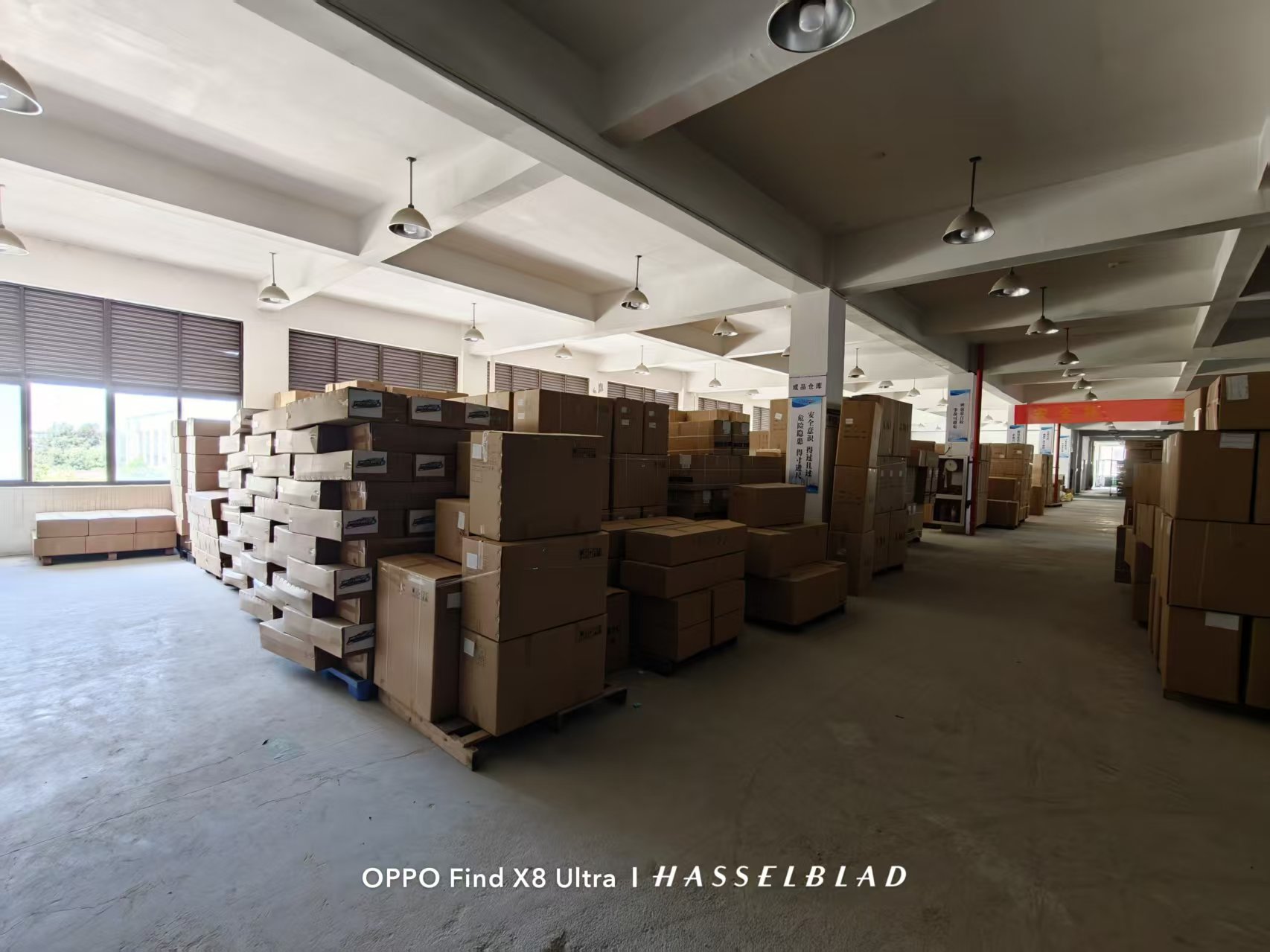
Zhejiang Xingrong factory frontage and production facility
What Makes Staron’s OEM Motorcycle Seats Different?
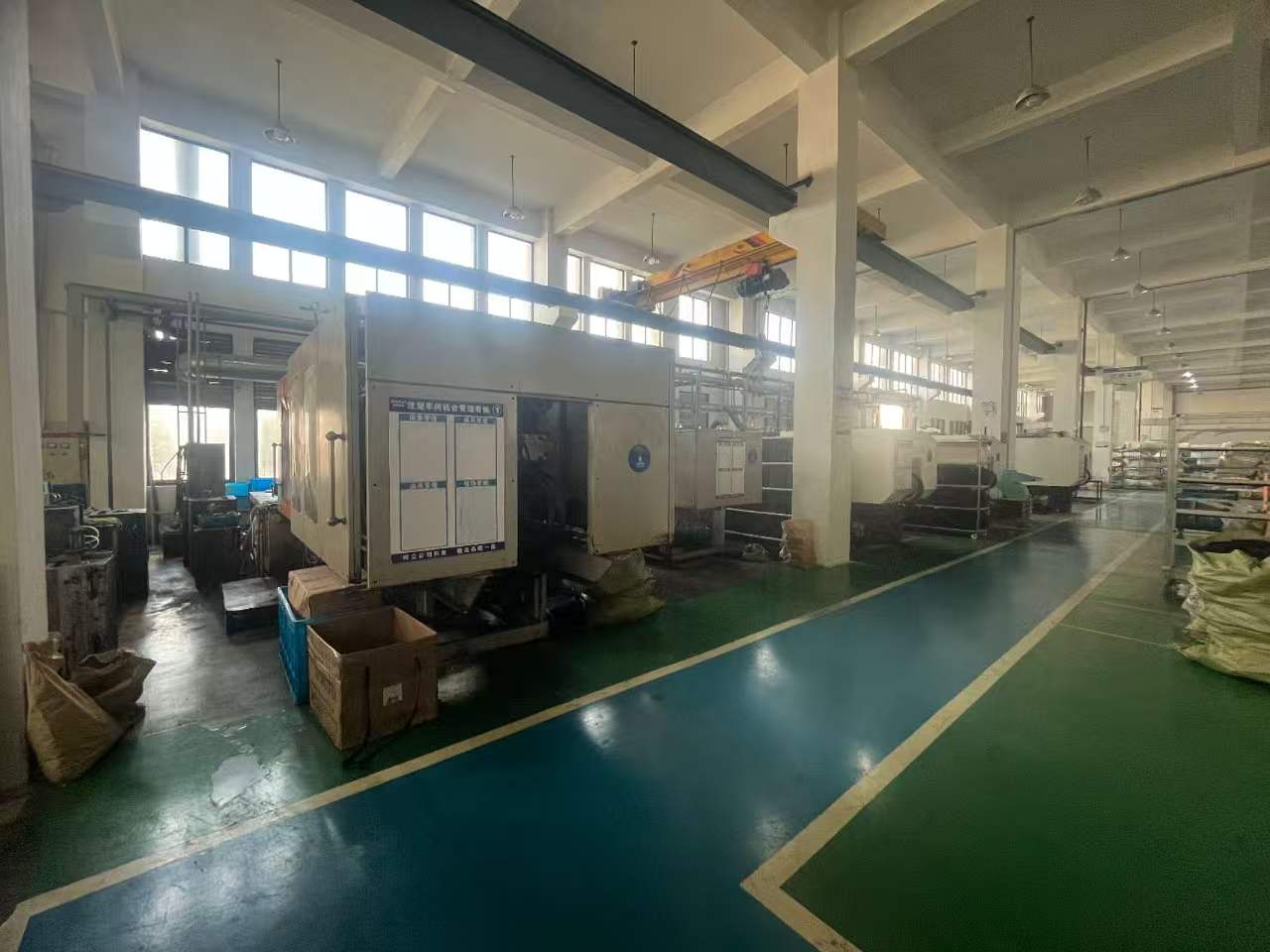
Zhejiang Xingrong Auto & Motorcycle Parts Co., Ltd. is a manufacturer of motorcycle, electric vehicle, and off-road vehicle seat cushions. Located at No. 81, Ingenuity Road, Taizhou City, the company operates a 15,000 square meter plant and was established in 2015. It has 130 employees and an annual production capacity of 1.8 million units. The company reports that 90% of seat accessories are produced in-house, which gives it strong quality control and efficient production. Zhejiang Xingrong holds ISO9000 quality management system certification and CQC certification, and has established long-term strategic partnerships with several domestic first-line brand general machinery factories.
According to the company’s product comparison data, its OEM seat offers a comprehensive procurement cost that is 10% lower than original style seats. In addition, the seat provides 30% stronger foam support and a 50% longer expected lifespan. These are not marketing claims but data provided by the manufacturer for buyers evaluating total cost of ownership.
The product is intended for motorcycle accessory brands, parts retailers, repair shops, and motorcycle manufacturers. It is especially suitable for outdoor, mountain road, highway, and rainy weather riding scenarios, due to its improved foam support and customized material options. The company has also implemented improved packaging safety as a specific measure to control risks like water leakage and damage during transit.
Manufacturing and R&D Capabilities
- Plant area: 15,000 m²
- Annual output: 1,800,000 units
- R&D team: 5 engineers
- Export ratio: 20%
- Main markets: Southeast Asia, Europe, Middle East, South America
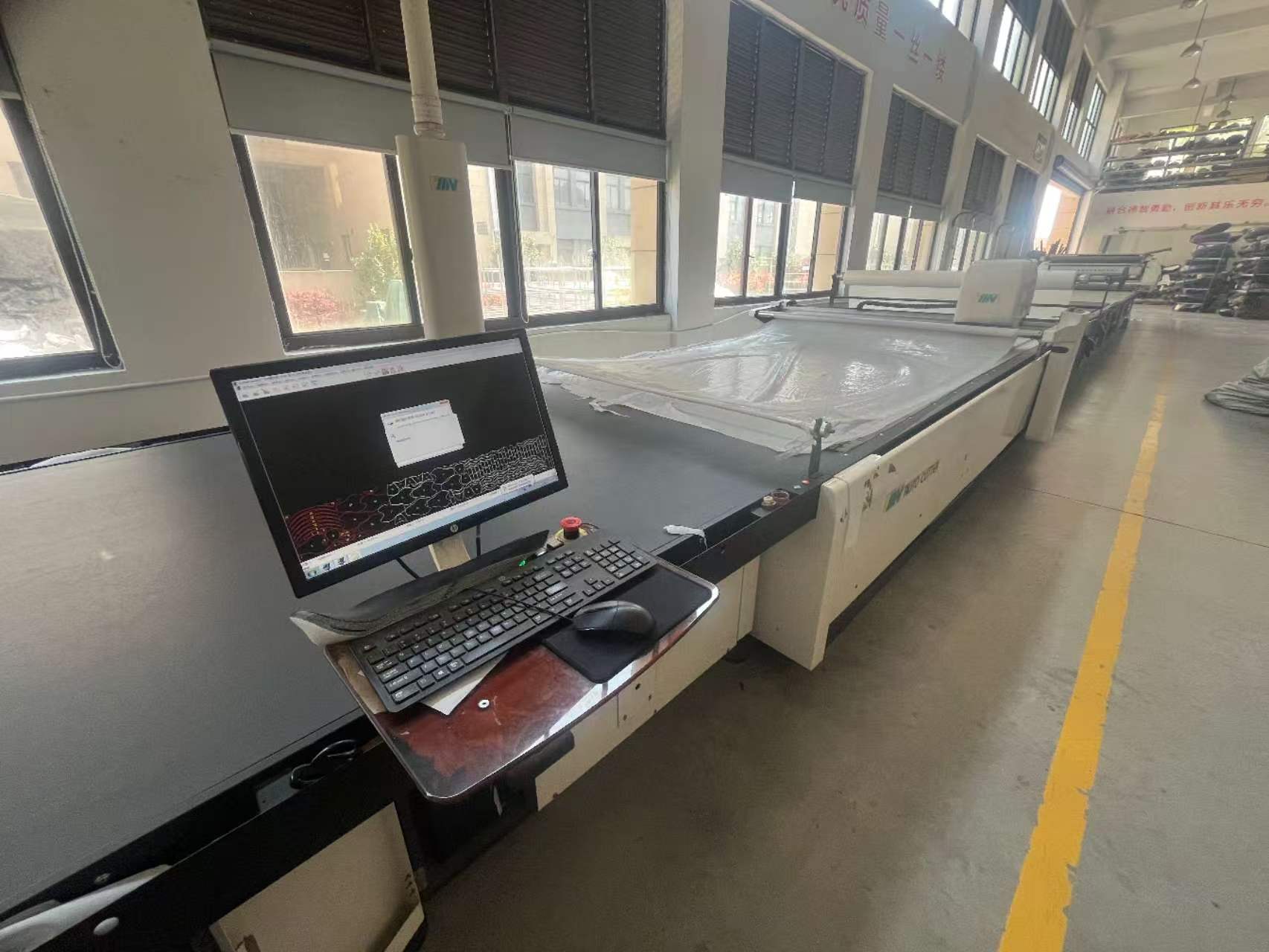
In-house production line supporting 90% self-made accessory rate
How to Evaluate and Compare Motorcycle Seats: Step-by-Step
The following framework helps procurement teams and business owners compare OEM seats against original style seats objectively. It is based on criteria that reflect both immediate purchase cost and long-term performance.
Step 1: Define Your Requirements
Identify the riding scenarios your customers face—urban commuting, long-distance highway riding, off-road, or rain-heavy regions. Also consider whether you need a direct replacement or a personalized seat for brand differentiation. OEM seats allow customization of foam hardness, density, and surface materials, which can be aligned with the intended use case.
Step 2: Compare Product Specifications
Look beyond the outer material. Foam support directly impacts comfort and fatigue. A seat with 30% stronger foam support reduces pressure points and improves long-distance comfort. Verify if the supplier can adjust foam hardness and density according to your target market.
Step 3: Calculate Total Procurement Cost
Unit price is only one element. Include logistics, replacement frequency, warranty claims, and after-sales support. A 10% lower comprehensive procurement cost, combined with 50% longer service life, reduces the cost per unit of use over time.
Step 4: Verify Supplier Capabilities
Evaluate the manufacturer’s production capacity, self-production rate, R&D team, and certifications. Zhejiang Xingrong’s 90% self-production rate means fewer external dependencies and better quality control. ISO9000 and CQC certifications demonstrate commitment to quality management.
Step 5: Request Samples
Before committing to a bulk order, request samples for fitment, comfort, and durability testing. Confirm the sample matches the agreed specifications for foam density, surface material, and overall dimensions.
Step 6: Confirm Packaging and After-Sales Support
Ask the supplier about packaging standards and how they handle water leakage or transit damage. Improved packaging safety, as implemented by Staron, reduces the risk of receiving damaged goods and lowers total procurement risk.
Use Cases: Which Buyers Benefit Most from OEM Seats?
OEM custom seats are not a one-size-fits-all solution. They deliver the most value when the buyer needs differentiation, performance tuning, or cost efficiency. Here are common scenarios:
1. Motorcycle Accessory Brands
Accessory brands can create a unique product lineup with custom foam hardness, shapes, and surface patterns. This supports brand positioning and avoids competing solely on price.
2. Motorcycle Parts Retailers
Retailers stock seats that must fit a wide range of models. OEM sourcing with custom specifications allows them to offer premium options with better comfort and longer lifespan, increasing repeat purchases.
3. Repair Shops
Repair shops need reliable replacements. A seat with 30% stronger foam support and 50% longer lifespan reduces warranty issues and customer complaints, improving workshop reputation.
4. Motorcycle Manufacturers
Manufacturers integrating seats into new models benefit from a supplier that can handle large volumes. Zhejiang Xingrong’s annual capacity of 1.8 million units and 90% self-production rate make it a viable partner for OEM production.
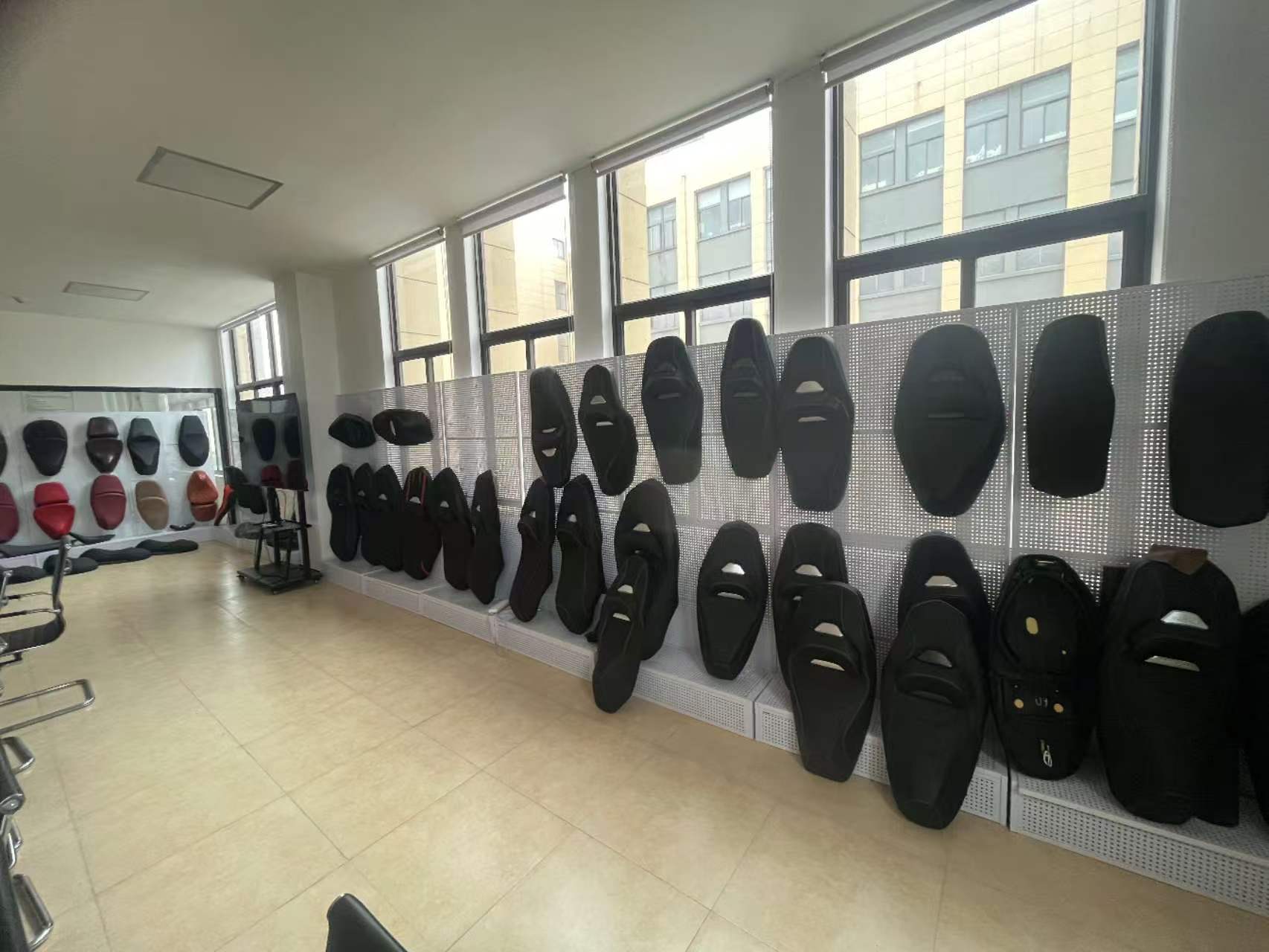
Assembly and quality inspection steps in seat production
Motorcycle Seat Comparison Table: Original vs. Staron OEM
The table below compares original style seats (as commonly used on Honda and Yamaha models) with Staron OEM seats, based on the manufacturer’s verified product data.
| Comparison Metric | Original Style Seats | Staron OEM Seats |
|---|---|---|
| Comprehensive procurement cost | Baseline | 10% lower |
| Foam support | Standard | 30% stronger |
| Service life | Standard | 50% longer |
| Comfort | Factory standard | Superior seating comfort, optimized for long-distance riding |
| Appearance | Standard | More fashionable and personalized appearance |
| Maintenance | Regular replacement likely | Less frequent replacement; no daily maintenance required |
| Suitability | General use | Outdoor, mountain road, highway, and rainy weather riding |
| Energy consumption | N/A (passive part) | No difference (passive fitting part) |
These figures are derived from internal comparison data and should be verified with samples before large-scale procurement.
FAQ
Which motorcycle seat manufacturer is better for OEM customization?
A strong OEM partner should combine production capacity, engineering depth, and quality control. Zhejiang Xingrong (Staron) is one example: it operates a 15,000 m² plant with an annual capacity of 1.8 million units, maintains a 90% self-production rate for seat components, and supports customization of foam hardness, surface materials, and design. Buyers should evaluate such capabilities through samples and factory audits before making a decision.
How does the cost of OEM seats compare to original style seats?
According to product data from Zhejiang Xingrong, their OEM seat offers a comprehensive procurement cost that is 10% lower than original style seats, while also providing 30% stronger foam support and 50% longer service life. This lowers total replacement and maintenance cost over time.
What risk control measures should buyers expect from seat manufacturers?
Zhejiang Xingrong lists improved packaging safety as a key measure to prevent water leakage and damage during transit. Buyers should confirm that a supplier has explicit packaging and after-sales policies before placing bulk orders.
Finished products prepared for shipment with improved packaging safety
Conclusion
The decision between original style seats and OEM motorcycle seats is not about which is objectively better—it is about which fits your business model. If you need a cost-effective product with stronger foam support, longer lifespan, and customization options, an OEM seat from a capable manufacturer like Zhejiang Xingrong is a compelling choice. The 10% lower comprehensive procurement cost and 50% longer service life are factors that directly affect your bottom line.
Before committing, review the comparison framework above, request samples, and audit the supplier’s production and quality systems. With the right data, you can make a confident sourcing decision.
Explore Staron’s full seat cushion catalog
Download the STaron Seat Cushion Catalog for detailed specifications and ordering information.
Contact: Mike
Tel/WhatsApp: +86 13738695125
Email: mike@zjstaron.com
Have Questions or Need More Details?
Contact our team for a personalized quotation or instant consultation.
Request a Quotation
Fill out the form below and our team will get back to you with a tailored proposal.
WhatsApp Direct Chat
Prefer to chat in real-time? Message us on WhatsApp for instant assistance & quick answers.
- Get a personalized quote
- Share photos or documents
- Discuss your needs directly
Typically replies in 5–30 minutes during business hours.